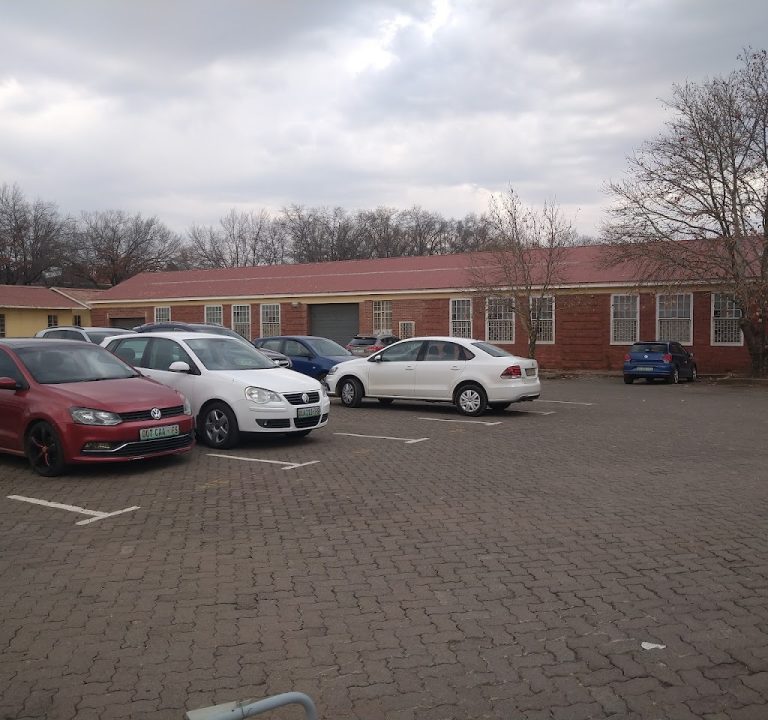
Bethlehem education district development centre is a Education centers establishment in Bethlehem, Free State, South Africa
Bethlehem
Free State
9701
South Africa
Sorry, no records were found. Please adjust your search criteria and try again.
Sorry, unable to load the Maps API.
Education and Educational Resources in Bethlehem, Free State
Bethlehem, nestled in the Free State, offers a broad tapestry of learning avenues that support learners from early schooling through to higher education and professional training. The town functions as a regional hub where families can access a mix of public and private institutions, independent study options, and community-based resources designed to foster lifelong learning. The surrounding district is characterised by a culture that values education as a pathway to personal development and economic resilience.
Within the schooling landscape, a range of primary and secondary schools provide foundational and advanced programmes aligned with national curricula. Schools often emphasise core subjects, language development, mathematics, science, and social studies, while also offering enrichment activities in the arts, sport, and technology. In addition to conventional classrooms, many campuses provide learning support services to assist learners who may require extra help with literacy, numeracy, or exam preparation. Guidance periods and counsellors commonly assist with study planning, career exploration, and transition to further education or employment.
Higher education and technical training extend beyond the town limits, but Bethlehem serves as a convenient gateway to institutions located in the region. Local and neighbouring colleges and training centres typically present a variety of programmes at further education and training (FET) levels, including diplomas, certificates, and short courses designed to build practical competencies. Programmes often span fields such as information technology, engineering technologies, commerce, health sciences, tourism, and hospitality. Flexible options may include day courses, evening classes, and part-time study to accommodate working learners and family commitments.
For those pursuing higher education, general pathways usually begin with a clear registration or application process, followed by orientation to university life, admission to chosen programmes, and the completion of required coursework and assessments. Prospective students are commonly advised to consider the duration of study, credit transfer possibilities, and available financial support streams. While specific entry requirements vary by institution and programme, many learners prepare by assembling prior academic records, meeting language prerequisites, and exploring bridging or preparatory courses when necessary.
Learning support and student services are standard features across institutions in Bethlehem and the region. Libraries and study spaces provide quiet zones for individual and group study, access to digital resources, and مدد in research skills. Laboratories and practical facilities support science and technology programmes, enabling hands-on experiments and project-based learning. Sports facilities and outdoor recreation fields contribute to physical education and team-building experiences, while accommodation options, where available, offer on-campus or nearby housing for out-of-town students and those pursuing long-term courses.
Community access to educational resources is enhanced by a network of centres offering tutoring, literacy programmes, and adult education. Local libraries and municipal learning hubs frequently host workshops, author talks, and information sessions aimed at improving digital literacy, career readiness, and civic participation. Online learning platforms and distance education services are increasingly integrated with on-site learning, giving flexibility for learners who balance family responsibilities or work commitments with studies.
Typical pathways in Bethlehem resemble a stepped progression from primary schooling to secondary schooling, followed by transitions into tertiary study or vocational training. The emphasis across the town is on practical outcomes, relevant skills development, and accessible support services that help learners navigate registration, course selection, and progression planning. For those seeking further information, national and provincial education portals offer guidance on curricula, qualifications, and available programmes, while local institutions provide advisory support tailored to the region’s opportunities and resources.
Further information about programmes, admission timelines, and available learning services can be explored via national education resources and the websites of regional institutions. For broader context and current offerings, prospective learners may consult the Department of Basic Education and related regional bodies.