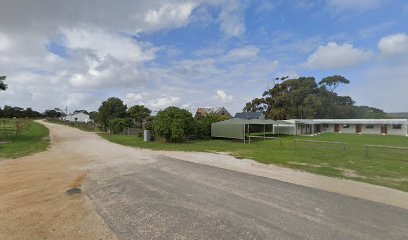
BBos Riding School is a Horse riding school establishment in Baardskeerdersbos, Western Cape, South Africa
Baardskeerdersbos
Western Cape
7271
South Africa
Curriculum
BBos Riding School presents a comprehensive curriculum designed to accommodate riders at diverse stages of development, from complete beginners to more confident, experienced participants. The programme emphasises horsemanship, safety, and a progressive approach to skill acquisition, delivered within a family‑led riding environment in the Western Cape. Instruction is organised to support both children and adults, with a clear pathway from initial familiarisation to more advanced riding techniques as competence grows.
The core offering centres on structured lessons that cater to individual needs. For younger riders and newcomers, the school emphasises half‑hour private sessions conducted on the lunge, followed by group lessons of around an hour as confidence and control improve. Lesson planning is customised to the rider’s current level, with a focus on developing balance, seating, and effective use of the horse’s movement. A staged progression is encouraged, and when appropriate, students may advance to cantering and light jumping after demonstrating ability and readiness. The programme recognises the value of gradual exposure to different riding contexts, balancing arena work with outdoor experiences to foster familiarity with varied riding environments.
Assessment forms a key element of the curriculum. An initial evaluation ride is mandatory for all students, serving as an introduction to the facility, the ponies or horses, and the facilitators. This session outlines the grooming and tack‑up process and provides a basis for planning future lessons. The evaluation helps determine each rider’s starting point and informs the personalised lesson plan, ensuring progression aligns with individual goals and capabilities. Private instruction is available, with a strong emphasis on one‑on‑one coaching and targeted goals, including muscle‑strengthening routines and techniques designed to build confidence and competence in riders of all ages.
Beyond regular lessons, the curriculum extends into enrichment and experiential activities. The school offers a variety of riding experiences, including patient exposure to horse care tasks, mounting and riding practice, and guided sensation of horse‑rider communication. For those seeking broader engagement, leasing options are available, enabling riders to participate in riding more frequently and to compete in shows with a consistent mount. Liveries are offered to support students who wish to own or semi‑own a pony, providing a pathway to longer‑term involvement with riding and horse care.
Short courses and specialised training form an integral part of the programme’s breadth. While specific course lists and durations are not detailed, the available activities include pony camps and organised riding experiences, which typically blend riding instruction with supervised pony care, trail activities, and recreational events. Trail and beach rides represent additional applied learning opportunities, allowing riders to apply skills in real‑world settings while exploring the surrounding Overberg landscape. Group or private options are available to accommodate varying preferences and schedules.
In terms of learning resources and support, the curriculum emphasises the development of a disciplined riding foundation. The school promotes responsibility and attentiveness to animal welfare as core dimensions of the learning process, encouraging riders to participate actively in grooming, tack preparation, and safe handling of equipment. The programme recognises the value of patient, progressive instruction and provides a supportive environment where riders can build confidence, technique, and endurance through repeated practice and careful coaching.
Participating learners benefit from practical, hands‑on engagement with horses and ponies, with guidance on appropriate attire, equipment handling, and safety protocols. While online or blended learning options are not explicitly highlighted, the on‑site, in‑person structure prioritises direct mentorship, immediate feedback, and real‑time observation of horse–rider interaction. The curriculum aims to produce well‑rounded riders who can communicate effectively with their mounts, manage routines with competence, and pursue further riding activities, including leisure trails, educational exercises, and potential competitive opportunities.
Overall, the BBos Riding School curriculum combines foundational horsemanship, personalised instructional design, and varied riding experiences to support ongoing skill development. It emphasises a steady, safety‑conscious progression from initial familiarisation to more advanced riding concepts, underpinned by an emphasis on responsibility, commitment, and a lifelong engagement with horses and riding.
Faculties and Branches
BBos Riding School operates as a compact, family‑run equestrian centre based in Baardskeerdersbos, Western Cape, offering a cohesive range of riding and horse‑care programmes. Rather than presenting separate faculties in the conventional university sense, the organisation structures its activities around a central riding school with related services designed to develop horsemanship, riding competency and animal care. The overall model emphasises progressive learning, personalised instruction and practical experience with horses in a real work‑like environment.
The core activity is the Riding School, which provides lessons for children and adults across varying levels. Sessions are configured to accommodate beginners through to more experienced riders, with private and group formats and a timetable that includes weekday and Sunday availability. A mandatory initial evaluation ride helps establish individual starting points and informs lesson planning, ensuring each rider progresses through a tailored sequence of activities aligned with their goals. This structure functions as the primary campus within BBos Riding School, linking practical instruction with ongoing student development.
Complementing the regular lessons are specialised areas that broaden the learning experience. Horse Training covers backing and groundwork for young or green horses, re‑training older horses, and developing specific skills required for particular duties. This area operates alongside the riding programme to provide a holistic pathway for riders and their mounts, recognising the interdependence of horse handling and riding technique in achieving sound horsemanship.
Additional services include Pony Rides and Pony Parties, which extend the centre’s reach into activity‑based offerings for younger participants and events. While primarily activity‑driven, these components remain tethered to the same ethos of safety, supervision and responsible equestrian conduct that underpins the school’s philosophy. Trail Rides and Beach Rides introduce riders to the surrounding landscape and coastal routes, offering guided experiences that complement classroom‑based lessons with practical, on‑horse exploration of terrain and riding scenarios.
In terms of student services and progression, the Services section outlines lesson formats such as 30‑minute and 1‑hour sessions, with introductions to lunge lessons for beginners and a progression through arena work to out riding. Leasing and liveries present additional pathways for riders seeking longer‑term involvement or ownership, while a monthly special package provides options for group or private instruction. This framework demonstrates how different components—riding instruction, horse training, leasing, and housing of horses—are integrated to support continued engagement and skill development for both young and adult learners.
Regarding branches or campus structure, the information indicates a single principal site where lessons, training, and related activities occur. The portfolio of offerings—riding lessons, horse training, trail rides, pony rides, and events—appears coordinated from this main base, with external activities such as trail and beach rides extending the experiential scope beyond the arena. The website link (https://bbosridingschool.page.tl/) provides access to a consolidated hub for information, schedules and booking, reflecting the school’s integrated approach to education and client services.
Overall, BBos Riding School presents a unified, multi‑facet programme under one operational footprint, where the riding curriculum, animal care training and event‑driven activities are designed to reinforce horsemanship, respect and responsible riding. For prospective students seeking an introductory yet holistic equestrian education within the Baardskeerdersbos area, the centre offers a clearly defined pathway from initial evaluation through progressive instruction, with additional training and activity options that enhance practical competence and confidence in riding.
Registration Details
BBos Riding School in Baardskeerdersbos, Western Cape, South Africa, offers a structured pathway for new riders and returning learners. An initial approach to registration centres on establishing the rider’s current level and goals through an evaluation process, ensuring that every participant begins with appropriate guidance and a personalised plan. This evaluation ride is described as mandatory for all clients, providing a first-hand opportunity to become acquainted with the horses, facilities, and facilitators before progressing to regular lessons or activities.
For prospective riders and families considering activities at the centre, the available registration and application options are linked to the school’s published programmes. Notably, information and forms for submitting holiday or camp registrations have appeared on the site, indicating a practical entry point for participants looking to engage in seasonal riding experiences. Where applicable, a dedicated form is referenced for completing and resubmitting alongside any indemnity documentation that may accompany the enrolment process. Interested parties can access the relevant registration materials via the site’s pages, such as the Holiday Application Form, to begin the process.
Registration steps, as inferred from the site content, involve the following general sequence:
- Review the registration options available, including regular riding lessons and seasonal programmes.
- Undergo the mandatory evaluation ride to determine riding ability, suitability of the chosen pony or horse, and customised lesson planning. This initial ride also introduces the student to grooming and tacking procedures, fostering a clear understanding of what the lessons will entail.
- Submit the appropriate registration materials and indemnity documentation as required by the chosen programme (where applicable). The site references a form submission that accompanies indemnity documentation for holiday programmes.
- Confirm participation and arrange payment as instructed by the programme details. The site indicates various payment methods for specific programmes, noting that some options do not accept certain payment forms, and that payments are typically arranged upfront or at the start of the programme.
- Attend the agreed lesson or activity timetable, which may include private or group lessons, breathing room for progression, and adherence to the centre’s safety and etiquette guidelines.
Where to apply: interested individuals should consult the BBos Riding School pages hosting registration content. The Holiday Application Form page offers concrete registration materials for seasonal programmes, while the main site pages provide information about lessons and the evaluation ride. The following links guide applicants to the registration-related content and information sources:
Eligibility and entry requirements are described in general terms on the site. The centre accommodates riders from a young age and offers lessons for both children and adults, with a stated upper weight limit of 100 kilograms for riders. Prospective participants should note the mandatory evaluation ride as a prerequisite for all students, which helps tailor the programme to individual capabilities and goals.
Documents typically required for registration are not exhaustively listed on the site; however, the holiday programme pages mention an indemnity form to accompany the registration material. Applicants should prepare to provide consent or indemnity as part of the enrolment process, and to follow the programme-specific instructions for submission and payment.
Contact and support channels are not provided with direct phone or email details on the public-facing pages. However, the site indicates where information can be found and contacted via the page links, and prospective applicants can use the registered site pages to navigate to the registration resources and support materials as they become available.
Sorry, no records were found. Please adjust your search criteria and try again.
Sorry, unable to load the Maps API.
Education and Educational Resources in Baardskeerdersbos, Western Cape
Baardskeerdersbos sits within the Western Cape landscape, where learners and families access a mix of schooling options and resource provisions. The area typically supports primary and secondary schooling within nearby towns and the broader corridor of towns neighbouring the coast. Educational facilities are often complemented by regional offerings that help bridge local settings with national and provincial programmes, enabling progression through various levels of learning.
In terms of institutions, the local landscape commonly includes schools serving the basic foundational years, alongside neighbour suburbs that provide secondary education. These schools tend to offer core subjects across languages, mathematics, sciences, and social studies, with opportunities to engage in arts, physical education, and practical subjects. For families seeking post-school pathways, regional colleges or training centres nearby may provide vocational and technical programmes, as well as continuing education opportunities that align with local industry needs and personal interests.
Typical programmes and levels extend from certificate and diploma courses through to higher-level qualifications, with a focus on practical skills, industry-relevant knowledge, and ongoing professional development. In the broader Western Cape, some learners may access programmes aligned with compulsory school-leaving requirements, while others explore alternatives such as distance or part-time study to balance work, family commitments, and studies. Internal school programmes often emphasise foundational literacy and numeracy, building towards more specialised study in later years, subject to available resources and teaching staff expertise.
Learning support and student services are commonly present to assist diverse learners. This may include additional language support, tutoring resources, guidance counselling, and career information designed to help learners identify suitable pathways. Some centres offer assistance with applications to further education, including general admissions guidance, scholarship information, and access to examination preparation resources. In more rural settings, support may also extend to community partnerships and outreach programmes aimed at expanding study opportunities for youths and adults alike.
Facilities and resources frequently accessible to learners include libraries or study centres with lending collections, quiet study spaces, and computer access. Laboratories for science subjects, practical workshops for technical studies, and spaces for arts and culture often form part of the educational ecosystem in the region. Sports facilities and recreational spaces support physical education and team activities, contributing to a balanced curriculum. Accommodation arrangements, where available, can help students from outlying areas engage with residential study or short courses, promoting continuity of learning and reducing barriers to attendance.
Typical pathways involve an entry process that encompasses registration or enrolment, with requirements varying by institution and programme. Prospective learners are generally advised to engage with local schools, colleges, or district education offices to understand the available options, eligibility criteria, and important deadlines. Guidance on admissions often covers subject choices, credit recognition, and progression routes to further study or employment, including vocational training and apprenticeships. Once enrolled, learners commonly access timetables, assessment schedules, and progress tracking designed to support steady advancement through chosen programmes.
Overall, Baardskeerdersbos benefits from a network of educational resources embedded within the Western Cape’s broader framework. While specific offerings can differ by available facilities and partnerships, the area fosters access to essential learning opportunities, structured through schools, colleges, and training centres, supported by libraries, laboratories, and student services aimed at helping learners realise their potential and pursue constructive pathways into further education or skilled work.
- Libraries and study facilities offering study spaces and computer access
- Science and technical laboratories for practical learning
- Sports and recreational facilities linked to school and community provisions
- Guidance and counselling services to aid career and education planning
- Admissions information and progression guidance through regional education resources
For further information on regional education opportunities, see provisions from the Western Cape Education Department and related government portals offering guidance on admissions, programmes, and support services.