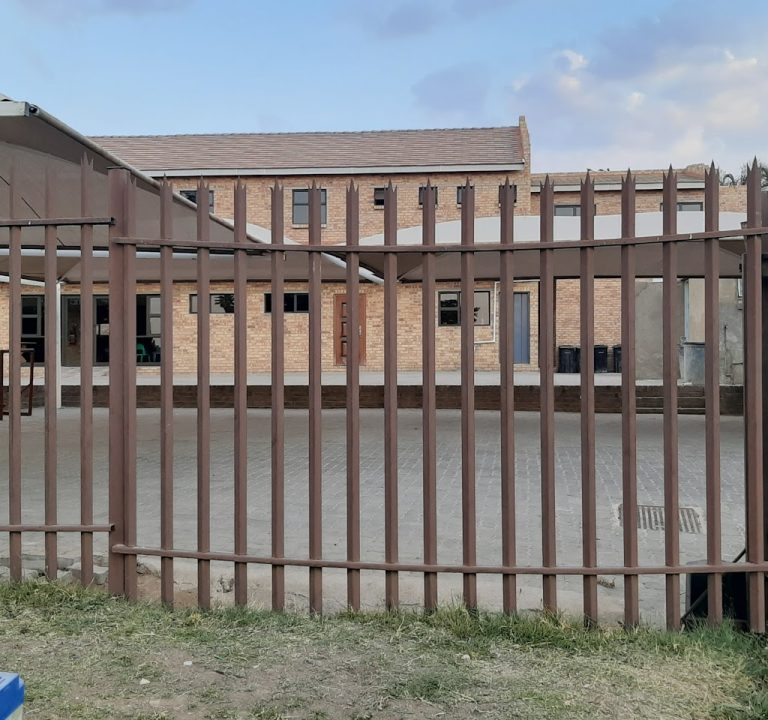
B-Sure Private School is a Private educational institutions establishment in Benoni, Gauteng, South Africa
Benoni
Gauteng
1501
South Africa
Sorry, no records were found. Please adjust your search criteria and try again.
Sorry, unable to load the Maps API.
Education and Resources in Benoni, Gauteng
Benoni sits within a vibrant educational landscape in Gauteng, offering a range of options for learners at different life stages. The district supports a mix of primary and secondary schools, private and public, alongside further education facilities that provide opportunities beyond traditional schooling. The focus across most institutions is on accessible learning, practical skills, and pathways that connect study to employment or further study.
Within the town and its surrounds, learners commonly encounter a spectrum of schools offering core subjects, language studies, mathematics, science, arts and humanities. Primary schools emphasise foundational literacy and numeracy, while secondary schools broaden subject choices and prepare students for national exams and post‑school options. In addition to conventional schooling, there are specialised institutions that cater to artistic, technical or sport‑oriented interests, reflecting a commitment to diverse talents. Private schools often provide enhanced facilities and broader extracurricular programmes, while public schools aim to balance study with community resources and supportive services.
Further education and training play a central part in the Benoni area. Local colleges and registered training providers offer programmes at further education and training (FET) levels, including certificate, diploma and higher‑level vocational qualifications. In many instances, courses are designed with local industry needs in mind, creating practical routes into apprenticeships and entry‑level roles. Learners may access a range of disciplines such as business administration, information technology, engineering technologies, health and welfare support, and hospitality services. Where appropriate, these programmes include hands‑on learning in workshops and simulated work environments, reinforcing employability skills alongside academic study.
Universities and larger tertiary centres within practical reach of Benoni—whether in nearby cities or metropolitan hubs—often provide additional pathways for those seeking bachelor’s degrees, post‑graduate study or research opportunities. While attendance at such institutions may require travel or accommodation arrangements for some students, the regional network typically supports coordinated admission processes, transfer pathways and articulation between different levels of study. Information on application timelines, admission criteria and available support services is usually published by individual institutions and respected through guidance services in schools and community education offices.
Learning support and student services are commonly available to help learners navigate their studies. Support may include literacy and numeracy assistance, tutoring or mentoring programmes, counselling services, and guidance on study skills and time management. For pupils with additional learning needs, special education provisions and inclusive practices are often accessible through dedicated resource staff, adapted curricula and assistive technologies. In higher and further education settings, student services frequently extend to financial information, accommodation guidance, visa or residency considerations where applicable, and support for international learners.
Facilities and resources commonly found in the Benoni education network include well‑stocked libraries with quiet study spaces and access to digital resources, computer and science laboratories, and equipped workshop spaces for practical subjects. Sports and recreation facilities—such as playing fields, courts, gymnasia and swimming pools—support physical education and team sport participation. On campus, accommodation options may range from on‑site residences to partner housing in the wider community, offering safe and affordable living arrangements during study periods. Transportation links and community programmes often help learners access campuses and combine education with family responsibilities.
Typical pathways for prospective students begin with choosing a suitable institution and programme, followed by registration or enrolment during established intake periods. Prospective learners are encouraged to explore open days, information sessions and guidance services that explain entry requirements, funding opportunities, and progression options. Engaging with guidance counsellors, career advisers or learning coordinators can help families map a realistic pathway—from school to college level, to higher education or targeted vocational training.