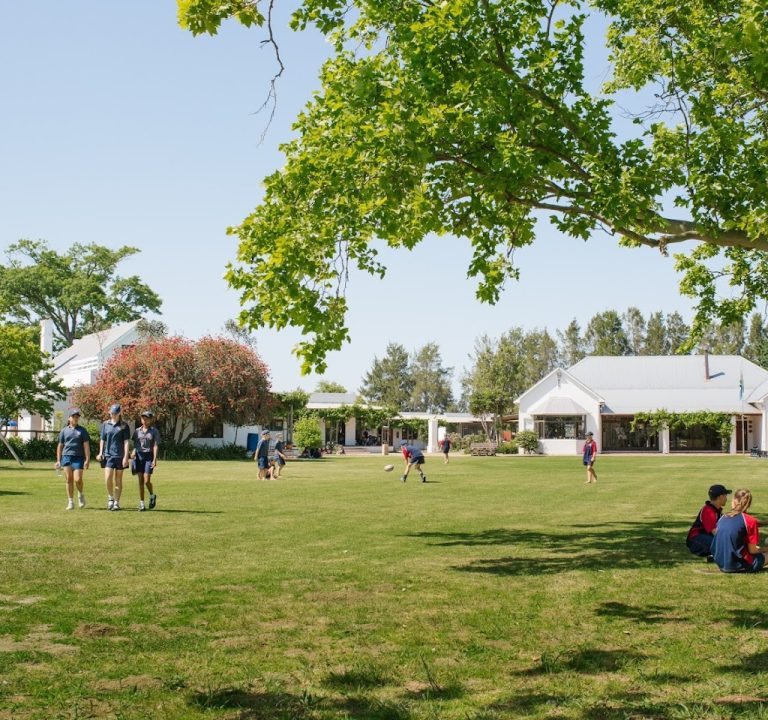
Applewood Prep School is a Private educational institutions establishment in Elgin, Western Cape, South Africa
Elgin
Western Cape
7160
South Africa
Curriculum
Applewood Preparatory School in Elgin, Western Cape, delivers a deliberately broad and enriching curriculum that supports the holistic development of learners from pre-primary through to Grade 7. The school emphasises a solid academic foundation alongside a strong outdoor education programme, set within a vibrant and verdant environment designed to sustain active engagement and curiosity.
The academic framework combines Cambridge-aligned Mathematics, Science and English with compliance to the South African National Curriculum Statement (CAPS). This blend ensures that learners are exposed to internationally recognised approaches while meeting national expectations. To bolster benchmarking and measurement of progress, the school participates in the Independent Examinations Board (IEB) International Benchmarking test programme and also undertakes WCED systemic assessments in Mathematics and English for Grades 3 and 6. This combination of external standards provides an external reference point for students’ academic growth.
Curriculum delivery is organised around three key developmental phases, each with a distinctive focus and pedagogical approach:
- Pre-Primary – Learning begins through movement and play, fostering safety and exploration as the foundation for later learning.
- Foundation Phase – Emphasis shifts to developing the whole child, consolidating foundational skills in reading and basic mathematics, and nurturing social and personal competencies.
- Intermediate Phase – Knowledge and practical skills are built through inquiry learning and problem-solving, with a clear focus on collaborative learning and the development of creative, critical and strategic thinking to prepare learners for higher levels of study.
Distinctive features of the curriculum include a strong emphasis on inquiry, problem-solving and hands-on experiences. Outings, camps, tours and hikes are integrated into the learning programme, reinforcing theoretical understanding with real-world applications. The school also places importance on the natural environment as a rich classroom, leveraging its location within the Kogelberg Biosphere Reserve to stimulate curiosity and environmental awareness.
Beyond core academics, the curriculum is complemented by a robust culture and arts offering. The school’s cultural programme includes Music (piano, drums, djembe drums, guitar, recorder and singing), Visual Arts and Drama, supported by specialist coaching and accessible facilities such as dedicated music blocks and a learning centre. This cross-curricular emphasis supports well-rounded development and opportunities for student leadership in culture and the arts.
Short courses and professional training elements are not itemised with specific course lists in the publicly available materials; however, the school highlights opportunities across its cultural, sport and outdoor education provision, which are designed to enhance skills, resilience and social-emotional growth. The Learning Support Centre and on-site therapists contribute to inclusive education and learner well-being, while a well-equipped Library and computer facilities support independent study and information literacy. The online access to Cambridge curriculum outlines is provided through external Cambridge Primary English, Cambridge Primary Maths and Cambridge Primary Science resources, which reflect the school’s commitment to internationally recognised standards.
Extracurricular and student support services form an integral part of the Applewood experience. The school offers a diverse sports programme, including swimming, mountain biking and trail running alongside traditional activities such as cricket, rugby, hockey, netball, tennis and soccer. A dedicated aquatic centre supports year-round swimming practice, while the Mountain2Coast expedition marks a unique, milestone-based experience for Grade 7 learners, combining cycling, hiking and paddling to celebrate the conclusion of the primary journey.
Distinctive learning resources mentioned in the school materials include a dedicated Learning and Support Centre, a library, a computer lab, and a music block with individual practice rooms. The campus also features performance spaces and facilities that enable a comprehensive cultural and arts education, reinforcing the school’s aim of developing knowledgeable, resilient and well-rounded individuals prepared for life beyond school.
For families seeking further detail on curriculum alignment with Cambridge Primary subjects, relevant curriculum outlines are accessible via the Cambridge websites, including Cambridge Primary English, Cambridge Primary Maths and Cambridge Primary Science. Additional information about the school’s philosophy, progression framework and learning environment is available on the school’s site at www.applewood.co.za.
Faculties and Branches
Applewood Preparatory School, located in Elgin, Western Cape, operates as a single, cohesive educational community divided into carefully structured phases and specialist areas that together shape a well-rounded programme for its learners. The academic framework is complemented by a diverse range of culture, sport, outdoor education and support services designed to nurture growth from the earliest years through to the later primary years.
The academic divisions are organised into distinct phases that map the progression of learners from early development through to more advanced classroom work. The Pre-Primary phase focuses on play-based learning and safe exploration as a foundation for later formal study. The Foundation Phase centres on consolidating core literacy and numeracy and developing social and personal skills essential for effective learning. The Intermediate Phase emphasises inquiry-based learning, collaboration and critical thinking, with a view to producing independent, capable learners ready for higher-grade study. Finally, the Senior Primary cohort continues to build knowledge and practical skills while reinforcing creative and strategic thinking in preparation for secondary education.
Supporting these academic strands are specialist departments and programmes that enrich the school’s offerings. The cultural and performing arts portfolio includes music (piano, drums, djembe, guitar, recorder and vocals), drama and visual arts, as well as participation in a drama programme and music ensembles. This cultural trove is integrated with the broader curriculum to cultivate creativity, communication and confidence. The school’s outdoor education and athletics are closely linked to the surrounding environment, with local and wider Western Cape adventures that enhance learning through experiential activities.
Sports and physical development form a visible pillar of the school’s approach. The sports programme covers traditional team sports such as cricket, rugby, hockey, netball, tennis and soccer, along with multisport, mountain biking, trail running and swimming. An indoor Learn-to-Swim facility supports year-round aquatic training. The organisation of sport extends beyond teams to coaching and skill development, emphasising participation, sportsmanship and lifelong fitness.
Support services and facilities are another key facet of the school’s structure. A Learning Support Centre provides targeted assistance to learners who require additional help, while the library supports information literacy and independent learning. The campus also includes administrative, aftercare and ancillary services to ensure a holistic, well-organised environment for students and families. In addition, several on-site specialists contribute to the learner experience, including Speech and Language Therapists, Occupational Therapy, music and vocal coaches, and drama and art instructors. These roles collectively address learning differences, language development and the cultivation of artistic talents.
Applewood’s campus is self-contained within its Elgin valley setting, described as a safe, vibrant, farm-based environment that supports an integrated, whole-child approach. The facilities, from classrooms and a dedicated music block to sport amenities and an aquatic centre, are connected by design to preserve the country school ethos while enabling modern, measured education. While the school maintains a singular campus, the breadth of programmes offered across the phases and departments demonstrates a comprehensive structure aimed at nurturing potential and inspiring greatness.
For further information on the school's academic structure, extracurricular offerings or parental resources, visitors can consult the school's main site at Applewood Prep School.
Registration Details
Applewood Preparatory School in Elgin, Western Cape welcomes prospective families to engage with the school’s admissions process as part of its overall aim to nurture potential and inspire greatness. The site presents admissions as a straightforward pathway: interested applicants should begin by selecting the Admissions option and following the stated procedure to apply. The emphasis throughout is on joining a community that values individual development within a nurturing country environment.
The admissions information is housed within the school’s site, with guidance indicating that applications are initiated by clicking on the Admissions pathway and proceeding through the described procedure. Although exact procedural steps, deadlines or fees are not detailed on the pages provided, the communications encourage prospective parents or guardians to reach out with questions and to follow the outlined procedure to begin the registration journey. This approach aligns with Applewood’s emphasis on a family-friendly environment and open lines of communication.
Where to apply: the primary reference point for commencing the application is via the school’s website. An accessible route to begin the process is through the main site, which groups admissions under its Admissions heading. For convenience and visibility, the site offers a direct route to Apply through its homepage link, enabling interested parties to initiate contact and follow the outlined steps. The visible online presence suggests that the school prefers engagement through its digital channels, with the homepage acting as the central hub for admissions information.
Eligibility and entry requirements: the provided content does not specify particular entry criteria, age bands, or grade prerequisites. Readers are advised to consult the Admissions section on the official site for any official eligibility statements or to request clarification. As with many independent preparatory schools, it is typical to expect that placement considered within the Foundation Phase through to Grade 7 will be aligned with standard curriculum progression; however, no explicit criteria are stated in the available material.
Documentation and supporting materials: the content available does not list the specific documents required for registration. Prospective families should refer to the Admissions section of the website or contact the school directly via the site for definitive guidance on necessary paperwork and submission formats. The absence of a published document checklist in the provided materials means that details should be sought through the official admissions channel.
Contact and support: the site communicates a welcoming stance, inviting prospective families to contact the school with questions. While no telephone numbers or email addresses are included in the provided content, the presence of an online admissions pathway and the invitation to reach out through the site suggests that responses are facilitated via the school’s official digital contact points. Visitors are encouraged to use the online route to learn more and to initiate the registration process.
Website reference for applying: Apply. Prospective applicants are encouraged to navigate to the Admissions section on the official site to begin the registration process and to seek any necessary clarifications directly from the school.
Sorry, no records were found. Please adjust your search criteria and try again.
Sorry, unable to load the Maps API.
Education and Resources in Elgin, Western Cape
Elgin in the Western Cape is part of a broader network of learning opportunities that extend beyond its own boundaries. An array of educational provisions caters to learners at different stages, from primary schooling through to higher education and specialised training. The surrounding region supports families with access to diverse institutions and resources designed to foster academic development, skill-building, and lifelong learning.
Within the locality, a range of primary and secondary schools serve students from local communities and nearby towns. These schools typically offer core curricula aligned with national and provincial standards, alongside opportunities for arts, sciences, sport, and cultural activities. For students seeking alternatives to traditional schooling, nearby towns provide additional options, including specialist programmes in technical subjects, languages, and the arts. Distance and transport connections play a role in determining daily arrangements, particularly for learners who travel to neighbouring towns for certain subjects or activities.
Further education and training opportunities are available through colleges and dedicated training centres within the broader region. These institutions commonly provide certificate and diploma programmes across areas such as business administration, information technology, engineering studies, hospitality, and agriculture. Vocational pathways are emphasised, with practical elements that prepare learners for employment or further study. Flexible scheduling, evening classes, and part-time options are frequently offered to accommodate work and family commitments.
Higher education routes are accessible via universities in Cape Town and other near‑by centres, with campuses reachable by road or public transport. Prospective students normally undertake a process of application and registration that includes the submission of academic records, completion of any required entrance assessments, and verification of residency or fee arrangements where applicable. General guidance on admissions is often provided through student services departments or education advisory resources, outlining timelines, prerequisite subjects, and guidance on choosing degree, diploma, or honours pathways.
Learning support and student services play a central role in the regional education landscape. Many institutions offer academic advising, tutoring, and language support to assist learners in achieving their goals. Disability services, counselling, financial aid information, and career guidance are typically accessible to help individuals navigate study choices, budgeting, and transitions into employment. Support structures are designed to help learners build study skills, manage workload, and stay connected with mentors and peer networks.
Facilities and resources commonly associated with education in the area include well-equipped libraries and information services, science and computer laboratories, and practical teaching spaces for trades and creative disciplines. Sports fields, gymnasia, performing arts spaces, and hobby rooms support a balanced approach to education, combining physical activity with academic pursuit. Accommodation options may be necessary for students relocating to programmes; reliance on campus residences, partner accommodation providers, and local housing networks is typical where applicable.
Pathways for admission and progression generally involve a combination of academic results, application deadlines, and the selection of suitable programmes. Prospective learners are encouraged to research prerequisites, speak to guidance staff, and consider aligned study routes that match interests and career objectives. The regional ecosystem supports a transition from school to further education or work through articulation agreements, bridging courses, and work-integrated learning opportunities where available.
For those exploring education in Elgin and its surrounds, a practical approach involves reviewing available programmes, visiting open days where possible, and utilising public resources such as local libraries and education portals. The region aims to provide accessible, diverse, and supportive options to help learners of all ages pursue their educational goals and build pathways toward sustainable futures. Further information can be found through official education pages and regional services online.