
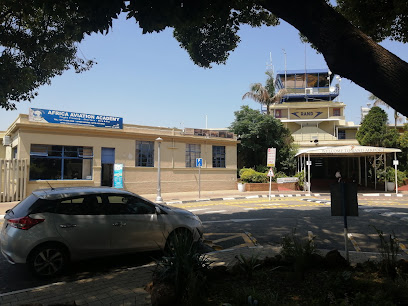
Africa Aviation Academy is a Flight school establishment in Germiston, Gauteng, South Africa
Germiston
Gauteng
Germiston
South Africa
Curriculum
Africa Aviation Academy presents a structured progression through aviation training, spanning entry-level flight experiences, private and commercial pilot credentials, and advanced continuation courses. The curriculum is organised to support learners as they move from introductory exposure to highly specialised qualifications, with a clear emphasis on practical application, regulatory compliance, and career-relevant competencies.
Programmes and levels begin with initial exposure to flight and guidance on the requirements to pursue professional aviation paths. The academy offers an introductory flight to provide first-hand insight into training processes, followed by pathways to Private Pilot Licence (PPL), Commercial Pilot Licence (CPL), and Airline Transport Pilot Licence (ATPL). Each stage is designed to build flight hour capability, decision-making acumen, and a solid understanding of airspace and aviation procedures, in line with international aviation standards.
In addition to core pilot training, the curriculum includes a broad portfolio of advanced training modules and specialised ratings. These courses extend flight competencies, optimise safety practices, and enhance employability by addressing both technical and operational aspects of modern aviation. The range of advanced courses encompasses night rating, instructor rating, and a suite of type-specific and system-based programmes, reflecting contemporary industry demands and multi-operator requirements.
Key areas of study within the curriculum include:
- Night Rating: enabling safe operations after sunset and prior to sunrise, with emphasis on planning and execution under visual conditions.
- Instructor Rating: developing instructional skills to mentor others, augmenting flight hours and CV value.
- Aircraft Type Training and Type Ratings: initial type ratings and cross-crew qualifications for major fleets such as Airbus A320, A330, and A340, including a bespoke A320 procedural trainer within the academy.
- Multi-Engine Rating: qualification to command aircraft with multiple propulsion systems, often pursued alongside commercial licence studies.
- Multi Crew Cooperation (MCC): training for operating within multi-pilot crews to optimise teamwork and safety in the cockpit.
- RVSM, CFIT and GPWS, GNSS RNAV, and TCAS: specialist courses addressing navigation, terrain awareness, collision avoidance, and operations in optimised airspaces.
- Crew Resource Management (CRM): instruction on effective communication, leadership, and decision-making to minimise human error in high-stakes environments.
- Extended Diversion Time Operations (EDTO): training for operations with extended diversion requirements to ensure compliance and safety standards.
- Jet Upset Recovery: strategies for recognising and recovering from loss-of-control scenarios in high-performance aircraft.
Remote and blended learning options are not explicitly stated, but the portfolio suggests a strong emphasis on practical, hands-on training within a traditional classroom and flight-ground environment. The inclusion of an in-house Airbus training capability and procedural simulators indicates a commitment to immersive learning experiences that align with real-world airline operations.
Additional professional training streams are presented under Pilot Cabin Safety Courses. These include Pilot Refreshers, Aircraft Type Rating training (notably for the B737, enhanced by industry-standard qualifications), and Annual Pilot Recurrent programmes. The recurrent training covers aircraft type, general aviation, aviation security, and associated drills, ensuring ongoing compliance with SACAA regulations and operational readiness for returning pilots and operators.
Explanations of the rationale behind the curriculum emphasise safety, regulatory adherence, and practical competence. The programme architecture appears designed to support learners through meaningful progression, with a focus on accumulating validated hours and acquiring the additional credentials that commonly enhance employability in both private aviation and commercial environments.
As a learning environment, the academy positions itself as a hub for professional development in aviation. Prospective students may regard the curriculum as offering both foundational pilot education and a comprehensive suite of high-level qualifications that address modern aviation challenges, from advanced navigation and automation concepts to crew coordination and flight safety systems. Interested individuals should consult the academy’s main site for enrolment details, entry requirements, and any updates to course availability or newly added modules.
Faculties and Branches
Africa Aviation Academy, based in Germiston, Gauteng, South Africa, presents its educational offerings through a structured framework centred on pilot training and related professional development. Rather than traditional faculties in the sense of separate academic faculties, the academy organises its activities into clear programme strands designed to support aspiring pilots and aviation professionals at various stages of their careers.
The core structure is built around two primary training streams. The first focuses on entry and advanced pilot training, detailing a progression from introductory experiences to commercially recognised licences. The second stream concentrates on specialised pilot cabin safety courses, reinforcing regulatory requirements and ongoing professional development for aviation personnel. Together, these strands outline the path from initial exposure to aviation through to advanced qualifications and recurrent training that align with industry standards.
Within the entry and advanced pilot training stream, the academy offers a structured sequence of programmes and certifications that underpin the development of pilot proficiency. The initiative is framed to provide hands-on exposure, controlled supervision, and a clear trajectory through licensing milestones. As a result, learners can engage with introductory experiences and advance toward professional qualifications in a manner that reflects international aviation norms.
In addition to foundational and ongoing pilot training, the academy provides a breadth of advanced training specialisations. These courses are designed to enhance technical competence, operational safety, and crew resourcefulness. The following topics illustrate the scope of the advanced training offerings, each supporting pilots to extend capabilities across different aircraft types, flight regimes, and operational contexts:
- Night Rating
- Instructor Rating
- Airbus A320/330/340 Training (initial type ratings and cross-crew qualifications; includes an A320 procedural trainer)
- Multi-Engine Rating
- Type Ratings
- Multi-Crew Cooperation (MCC)
- RVSM (Reduced Vertical Separation Minimum)
- CFIT and GPWS
- GNSS RNAV
- TCAS (Traffic Collision Avoidance System)
- Crew Resource Management (CRM)
- EDTO (Extended Diversion Time Operations)
- Jet Upset Recovery
Another pillar of the academy’s offerings is the Pilot Cabin Safety Courses, which address regulatory requirements, ongoing proficiency, and safety practices for pilots operating under various aviation roles. These courses include regulatory refreshers, aircraft type ratings for specific operators, and annual recurrent training covering aircraft type, general aviation, aviation security, and safety procedures such as jump slide drills. The emphasis is on ensuring pilots maintain current competencies and meet SACAA regulatory standards throughout their careers.
Access to these programmes is facilitated through the academy’s online presence, with detailed course information available via the official website. The structure described above supports a coherent student experience from initial exposure to professional qualification and ongoing competence, with programmes linked to practical training components, assessments, and industry-aligned requirements. For prospective students and industry partners, the framework at Africa Aviation Academy presents a clear pathway within Germiston’s aviation training landscape.
Registration Details
Africa Aviation Academy in Germiston, Gauteng offers a range of pilot training pathways designed to develop competently skilled aviators across introductory, private, commercial and advanced training streams. The website presents a structured overview of services that prospective students can explore to determine which programme aligns with their aviation ambitions. The institution emphasises both the foundational exposure provided by introductory experiences and the progression through more advanced pilot credentials, all within a single training ecosystem.
Overview of the application landscape can be gleaned from the site’s description of services and training tracks. Prospective applicants should navigate to the main site’s pilot training sections to identify the specific courses and licences on offer. The organisation presents its offerings in a sequence that begins with entry-level experiences and extends to professional and type-specific training, including specialised courses designed to augment a pilot’s credentials and flight competencies. While exact registration steps, deadlines, and required documents are not enumerated in detail on the public pages, the site directs visitors to the relevant training pages for more information about each pathway.
Where to apply is indicated through the linked sections on the academy’s website. Interested individuals can begin their exploration on the home page and follow through to the pilot training and advanced training pages for more focused information. These pages act as gateways to the registration-related content, descriptions of qualifications, and the gear needed to commence training. The site links to comprehensive sections for various training streams, which are accessible via the main navigation and are suitable starting points for prospective applicants seeking to understand the structure of the programmes and the progression routes available.
Specifically, applicants may consider the following training streams as outlined by the site, each offering a combination of theory and practical flight experience:
- Pilot Training: Includes introductory flights, private pilot licences, commercial licences, and airline transport pilot licensing concepts.
- Advanced Training: Encompasses specialised ratings and qualifications such as Night Rating, Multi-Engine Rating, Type Ratings, and Crew Resource Management, among others.
- Pilot Cabin Safety Courses: A range of refresher and recurrent programmes, including Aircraft Type Rating and annual recurrent training.
Applicants should review the individual pages for each pathway to understand the scope, objectives, and prerequisites associated with the programmes. While the site does not publish a single consolidated apply form or a dedicated registration timeline within these excerpts, it does provide direct access to the programme pages, which typically contain further guidance on how to initiate registration and what steps are expected to take place before commencement.
For ongoing support and more detailed information about registration, curious readers are encouraged to visit the Africa Aviation Academy website and explore the specific course pages linked within the Services section. This approach ensures that prospective students obtain the most current guidance directly from the institution’s published materials. The site remains the primary source for registration navigation and the official routes through which applications are considered.
Links to begin an online journey into registration and course selection can be found here:
Africa Aviation Academy,
Pilot Training,
Pilot Cabin Safety Courses,
Advanced Training.
Sorry, no records were found. Please adjust your search criteria and try again.
Sorry, unable to load the Maps API.
Education and Educational Resources in Germiston, Gauteng
Germiston in Gauteng offers a varied landscape of educational opportunities that caters to learners at different stages of life. The area is home to a range of institutions that typically include public and independent schools, further education and training colleges, universities on the wider northern outskirts of Johannesburg, and specialised training centres. This mix supports a broad spectrum of interests, from foundational schooling to vocational qualifications and higher-level studies.
Within schools, learners commonly encounter programmes aligned with national curricula across Foundation, Intermediate, and Senior phases, as well as specialised streams in languages, mathematics, sciences, arts, and technology. Secondary schools may provide guidance on tertiary routes, enabling pupils to prepare for university entry, professional programmes, or technikons. For families seeking alternative pathways, open enrolment practices at some institutions offer access to diverse cohorts, while selective programmes at others may focus on academic excellence, technical skills, or inclusive education.
Further education and training (FET) colleges and dedicated training centres in and around Germiston offer a practical route into the workforce. These institutions traditionally present a mixture of certificate, diploma, and higher certificate programmes designed to align with industry needs. Vocational tracks in information technology, business administration, engineering, hospitality, health, and construction are common, with opportunities for short courses and professional development that support lifelong learning.
Higher education options in the region connect learners with universities and higher education institutions in the broader Gauteng corridor. Prospective students generally navigate pathways that include admission based on recognised qualifications, assessment of prior learning, and application through standard registrational processes. Options across arts, sciences, law, engineering, and business studies may lead to undergraduate degrees, followed by honours or postgraduate study for those seeking advanced specialisation.
Learning support and student services are salient features across Germiston’s education landscape. Many schools and colleges provide language assistance, tutoring programmes, learning disability support, and counselling services to help learners manage academic responsibilities and personal wellbeing. Access to career guidance, examinations advisory services, and pathways planning supports informed decision making about future studies or employment. Some institutions organise study skills workshops, revision sessions, and peer mentoring to bolster learner confidence and performance.
Facilities and resources typically found in the area enhance the learning environment. Libraries and study spaces offer quiet zones, computer laboratories, printing and research aids, and access to online databases. Laboratories in science and technology programmes enable practical experiments, while workshops in technical and craft subjects provide hands-on experience. Sports facilities and extracurricular venues frequently support physical education, team sports, and cultural activities, contributing to a balanced student life. Student accommodation is available in certain campuses and nearby residential areas, with options designed to support ease of access for commuting learners and those relocating for study.
Typical pathways involve early information gathering about eligibility, admissions requirements, and deadlines. Learners and families are advised to explore subject choices, required qualifications for desired courses, and available support services. Registration generally entails submitting academic records, completing application forms, and, where applicable, participating in placement assessments or interviews. On completion of a programme, graduates may transition to further study, apprenticeships, or entry into industry sectors with recognised qualifications, continuing the local tradition of fostering skilled graduates ready to contribute to the Gauteng economy.
- Helpful resources: district education offices, local libraries, career guidance centres, and online portals from national and provincial departments.
- Useful avenues: campus tours, information evenings, and open days organised by education providers to help families understand offerings and entry routes.
For further information about national and provincial educational frameworks, readers may consult official portals and department sites that outline the structure of schooling, vocational training, and higher education within South Africa. These resources offer guidance on qualification frameworks, eligibility, and progression opportunities across Germiston and the surrounding Gauteng region.