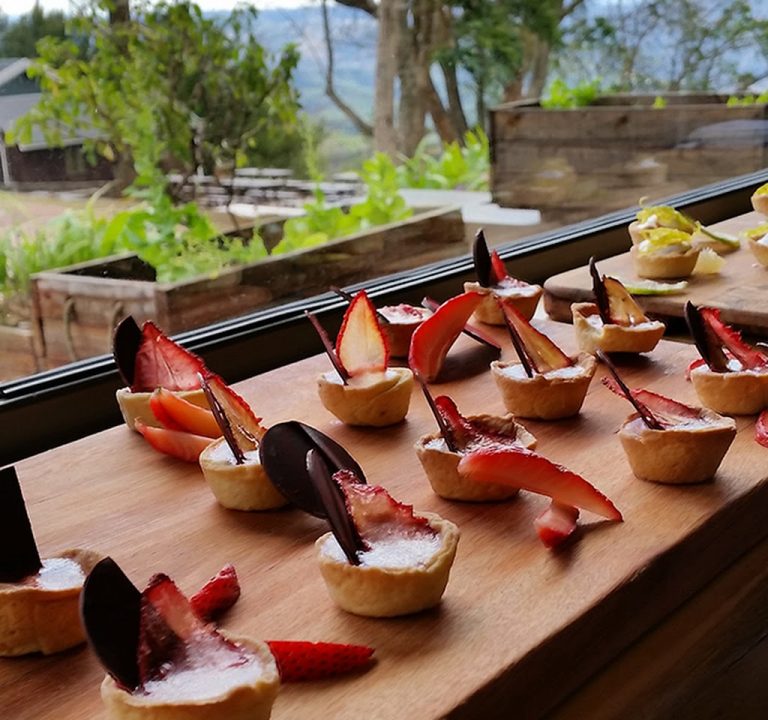
1000 Hills Chef School is a Cooking school establishment in Durban, KwaZulu-Natal, South Africa
Durban
KwaZulu-Natal
3660
South Africa
Curriculum
1000 Hills Chef School presents a structured, two‑year curriculum that aligns with industry requirements while emphasising hands‑on mastery. The programme is built to produce competent, adaptive chefs who can navigate diverse kitchen environments and cuisines. The curriculum is delivered through a fixed progression from foundation skills to advanced specialisations, with a strong emphasis on practical training and real‑world experience.
In the first year, known as the Foundation Diploma, students receive an intensive grounding across core culinary disciplines. The course introduces cooking and baking techniques, plating and presentation, service, and sanitation, ensuring a broad competency base. Notably, learners graduate with three internationally recognised diplomas: Food Preparation and Culinary Arts, Patisserie, and Food and Beverage Service. This multi‑diploma outcome supports flexibility in early career choices and career mobility within the hospitality sector.
The second year extends into the Advanced Programme, which builds on the foundation with deeper technical rigour and supervisory capability. The advanced component focuses on high‑level practice in areas such as pastry, charcuterie, and cheese‑making, alongside broader cookery supervision. This stage aims to equip graduates with specialised knowledge and leadership skills, enabling them to take on more responsible kitchen roles and to demonstrate competence across a range of culinary disciplines.
The school maintains small class sizes, with cohorts limited to 12 students. This arrangement fosters personalised attention, closer teamwork, and a supportive learning environment that mirrors professional kitchen dynamics. The intimate class setting is complemented by a hands‑on ethos, where practical skill development happens in a carefully supervised format that mirrors industry pace and standards.
Curriculum delivery integrates on‑site practical experience, particularly through weekend sessions that reinforce classroom learning with real kitchen application. The campus includes dedicated dining facilities such as a classroom café and a craft brewery, providing authentic settings in which students practise service, beverage pairing, menu execution, and operational workflows. Such facilities support experiential learning and offer students exposure to the end‑to‑end hospitality process—from kitchen production to front‑of‑house service and customer experience.
Beyond the core culinary and service skills, the programme emphasises industry readiness and employability. The practical emphasis is reinforced by opportunities for extramural work placements, participation in competitions, and an immersion into hospitality activities through campus events. These features help to develop professional networks, confidence in performance, and a demonstrated ability to work within team‑based environments. The school’s reputation for hands‑on training is reflected in its graduates’ industry employability and international opportunities.
Programme progression is supported by industry‑relevant resources and facilities. The on‑site restaurant, The Classroom Café, provides a real‑world venue for students to execute menus, practice service, and engage with customers in a controlled learning environment. The on‑site brewery introduces students to artisanal production techniques, expanding understanding of ingredients, process control, and the production side of hospitality operations. Together, these resources contribute to a learning ecosystem that blends culinary craft with hospitality services and product development.
Entrance into the programme is governed by a straightforward eligibility process. Applicants are typically invited to an interview, with eligibility criteria including age and language proficiency. The school seeks motivated individuals aged around mid‑late teens to late twenties, with a clear passion for food. The process emphasises fit and commitment, recognising that attitude and practical aptitude are central to success in a demanding, hands‑on programme.
For prospective students and their guardians, the institution provides detailed prospectuses and online resources to outline the curriculum structure, delivery model, and progression routes. Information about fees and funding is available through the school’s materials, with clear guidance on international student considerations and the potential for external financial support where available. Additional programme information and enrolment details may be accessed via the school’s main site and its dedicated sections on courses and enrolment.
- Two‑year, all‑inclusive diploma programme with three internationally recognised diplomas in Year 1
- Advanced Year 2 with specialist areas in pastry, charcuterie, cheese‑making and cookery supervision
- Small class sizes (maximum 12 students) for personalised attention
- On‑site practical kitchens, classroom café and a craft brewery for authentic learning experiences
- Weekend on‑site practical experience and broad industry exposure through work placements and events
For further information about the curriculum and pathways, prospective learners can explore the dedicated course pages and the main site, which provide access to prospectuses, detailed programme descriptions, and enrolment guidance.
Faculties and Branches
1000 Hills Chef School operates from a single, purpose-built campus set in the Valley of 1000 Hills, KwaZulu-Natal, less than 40 kilometres from Durban. The site emphasises a hands-on, industry-aligned approach to culinary training, with facilities arranged to mirror real-world professional kitchens. The campus offers on-site accommodation and a suite of practical learning spaces designed to immerse students in all aspects of the culinary and hospitality sector.
The school’s primary academic structure is a two-year Diploma Programme, conceived to deliver comprehensive, work-ready education in the culinary arts. The programme is organised to progressively build practical skills, technical knowledge and professional confidence. The first year is known as the Foundation Diploma, providing an intensive grounding across cooking, baking, plating, service and related kitchen operations. The second year enlarges on this foundation with an Advanced Programme that develops specialised competencies in areas such as pastry, charcuterie and other contemporary culinary vocations, ensuring graduates graduate as capable, internationally qualified professionals.
Practical learning is a central feature of the curriculum. Classes are intentionally small, with a maximum of 12 students, enabling individual attention and effective teamwork within a culinary team. On-site practical experience extends beyond standard class hours through weekend sessions, reinforcing industry expectations and enabling students to apply classroom learning in real settings. This approach helps prepare learners for immediate entry into the world of work, whether in local venues or opportunities abroad.
Several distinctive on-site facilities support the programmes and student services. A fully operational classroom café restaurant functions as a live training restaurant and a venue for supervised production, service and customer interaction. The site also incorporates elements of craft production, including a brewery that contributes to artisanal training components and the on-site deli, where students encounter a full production cycle from sourcing to display and sale. These facilities provide authentic, practical exposure to food and beverage operations, restaurant management and service delivery, closely aligning with industry standards.
Programme students benefit from access to a centrally located campus environment that combines learning, accommodation and industry immersion. The proximity of the classrooms to the on-site restaurant and production spaces supports a cohesive learning experience, linking theoretical lessons with tangible outcomes. The school is marketed as an internationally significant training provider, underscored by the breadth of diplomas and the practical pathways offered to graduates seeking roles in both local and international hospitality contexts. Interested readers can learn more about the school and its offerings at the official website.
- Diploma Programme: First Year | Foundation Diploma, Second Year | Advanced Programme
- On-site facilities: Classroom Café Restaurant, craft brewery, artisanal deli
- Learning emphasis: hands-on practical training, small class sizes, weekend experiences
- Campus setting: dedicated training campus in the Valley of 1000 Hills, near Durban, with on-site accommodation
For more information on courses and structures, prospective students and interested parties can visit the official site at https://thechefschool.com.
Registration Details
1000 Hills Chef School offers a two-year, hands-on culinary programme designed to prepare students for professional kitchens locally and internationally. Prospective entrants are drawn to the school’s intimate class sizes and practical, industry-aligned training delivered on site. The registration process emphasises a personalised approach, with an emphasis on interview-led admissions and a clear pathway from enquiry to enrolment.
How to apply: The school invites potential students to begin the enrolment process through its online enquiry and registration channels. Applicants are encouraged to initiate the process promptly, as admission occurs after a personal interview. The school provides dedicated online pathways for enrolment inquiries and detailed information about the programmes, including access to the prospectus and fee information where available. Relevant links include the Enrolment Enquiry and Full Brochure pages, which outline the programme structure and the steps involved in joining the school.
Enrolment and interview: A formal interview conducted by the Principal is a central component of the admission process. Both the learner and a parent or guardian are typically required to attend the interview. This interview-based approach forms part of the school’s gatekeeping to ensure a good fit for the programme and the student’s aspirations. Arrangements for interviews can be made by appointment across midweek to Sundays, depending on availability.
Eligibility and entry requirements: The school specifies age guidance for prospective students and emphasises clear communication in English. In general, applicants should be within the stated age range and demonstrate a genuine passion for food. While specific entry metrics beyond age and language proficiency are not stated across the public materials, the interview serves as the primary mechanism for assessing suitability for the Foundation Diploma and the Advanced Programme.
Where to apply and additional resources: Interested individuals are advised to use the school’s online enrolment enquiry facilities to begin the application. The site also hosts downloadable resources such as the prospectus and fee information to support informed decision-making. Applicable links include the Enrolment Enquiry page and, where relevant, the Full Brochure. These resources help applicants understand the course structure, timelines, and financial considerations before committing to registration.
Documents and typical requirements: The published materials do not specify a fixed list of documents on the public pages. Prospective students should anticipate a standard admission dialogue during the interview process and may be asked for documentation as part of the enrolment discussion in due course. The school does not publish bursary or NSFAS funding for its private programmes, and potential applicants should consult the available fee information for budgeting purposes.
Contact and support: For guidance throughout the registration journey, prospective entrants can access the school’s online contact options. While direct telephone numbers and email addresses are not included here, the school’s contact page and enquiry forms provide the primary channels for support and questions related to enrolment and programme details. Visitors are encouraged to explore the school’s official site links for the latest information and updates.
Key online resources include: Enrolment Enquiry, Full brochure, and Contact for further assistance. Additional programme details and eligibility considerations can be found within the school’s course pages and the About section of the site.
Sorry, no records were found. Please adjust your search criteria and try again.
Sorry, unable to load the Maps API.
Education and Educational Resources in Durban, KwaZulu-Natal
Durban, a coastal city in KwaZulu-Natal, presents a diverse educational landscape that supports learners from school age through to higher education and vocational pathways. The area hosts a wide range of institutions and services designed to accommodate different interests, aspirations and learning needs. Across urban and suburban settings, families and students can expect a combination of traditional schools, post-secondary colleges, research universities, and specialised training centres.
Primary and secondary education in Durban typically includes public and independent schools that offer curricula aligned with national standards as well as regional educational priorities. In addition to core academic subjects, learners commonly encounter opportunities in languages, mathematics, the sciences, arts and physical education. Many institutions provide on-site guidance and learner support programmes to assist with study skills, exam preparation and career exploration. School facilities may feature libraries, science and computer laboratories, specialised classrooms, sports fields and playing courts, as well as safe outdoor spaces for recreation.
Higher education choices span universities, technikons or polytechnics, and private training providers. Durban hosts campuses that offer a broad spectrum of programmes at diploma, bachelor's and postgraduate levels, often complemented by professional qualifications in areas such as business, health sciences, engineering, humanities and creative disciplines. The learning environment typically emphasises a mix of lectures, tutorials, laboratory work and practical placements, enabling students to apply theoretical knowledge in real-world contexts.
Specialist and vocational training centres in the region focus on skills development, industry readiness and lifelong learning. These facilities may provide short courses, certificates and stackable credentials that align with local employment markets. A common feature across such centres is close ties with industry partners, school-to-work transitions, and pathways for apprenticeships or workplace-based learning.
Learning support and student services are widely recognised as integral to the Durban educational experience. Academic advising, counselling, and financial guidance help learners navigate arrangements such as registrations, funding options and accommodation. Accessibility services, language support, and inclusive teaching practices aim to ensure that diverse learners can participate fully in programmes. Peer mentoring, study groups and library study skills workshops are often available to promote independent learning and academic progression.
Facilities and resources commonly found in Durban’s educational institutions include:
- Modern libraries equipped with print and digital resources, study spaces and quiet zones
- Well-equipped laboratories for sciences and engineering
- Computer centres with high-speed access and software essential for coursework
- Sports complexes, gyms and recreation areas supporting physical health and teamwork
- On-campus accommodation or affordable residential options for students from other towns or provinces
- Student centres and cultural spaces that foster engagement beyond the classroom
Typical pathways for learners in Durban involve a progression from school-leaving qualifications to further study or training. Admissions and registration procedures generally require the submission of academic records, identification documents and any programme-specific prerequisites. Prospective students are often advised to explore indicative entry routes, attend information sessions, and consult official prospectuses or online portals for guidance on applications, deadlines and course structures. Recognition of prior learning and credit transfer options may be available in some institutions, supporting flexible routes between programmes and levels.
Overall, Durban offers a cohesive ecosystem where education and lifelong learning are supported by a network of schools, higher education establishments and skill-based training providers. The city’s infrastructure, resources and partnerships create a foundation for learners to pursue varied ambitions, whether aiming for further study, professional accreditation, or entry into the workforce.