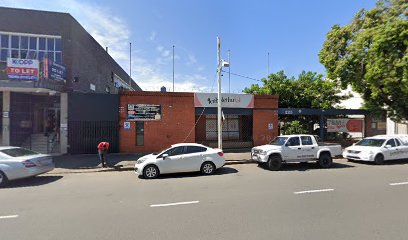
Broadband College of Technology Durban Campus is a Private colleges establishment in Durban, KwaZulu-Natal, South Africa
Durban
KwaZulu-Natal
4013
South Africa
Sorry, no records were found. Please adjust your search criteria and try again.
Sorry, unable to load the Maps API.
Education and Resources in Durban, KwaZulu-Natal
<pDurban, a coastal city in KwaZulu-Natal, presents a diverse landscape of educational facilities and resources designed to support learners at different stages. The city is home to a range of institutions that cater to primary, secondary and tertiary education, as well as specialised training centres. Across this spectrum, families and students can expect accessible learning environments that emphasise both academic achievement and practical skill development.
<pFrom schools offering foundational curricula to regional colleges that provide vocational and technical programmes, Durban provides options aligned with varied interests and career goals. Many schools and post-school providers present programmes at multiple levels, including senior phase education, A‑level or equivalent qualifications, and preparatory courses for tertiary study. For those pursuing higher education, the area hosts institutions that offer undergraduate and postgraduate study across disciplines, alongside professional courses aimed at industry readiness. Programs commonly emphasised include STEM, humanities, business studies, health sciences, and creative arts, with flexible delivery modes such as full-time, part-time, and blended learning to accommodate different circumstances.
Learning supports and student services are widely available to help learners navigate academic life. Support may include tutoring services, study skills workshops, language assistance for learners from diverse backgrounds, and counselling for personal and academic well-being. Dedicated study facilities, academic advising, and disability services often operate within campuses or learning centres to ensure access and progression for all students. Transition programmes and bridging courses may assist entrants who require preparation for higher education or vocational training.
Facilities commonly present in Durban’s education sector include comprehensive libraries with study spaces and digital resources, well-equipped science and computer laboratories, and specialised facilities for arts, design, and physical education. On-campus or nearby accommodation options are frequently available for students who relocate to study, providing safe housing, common areas for social interaction, and support services. Sports facilities—ranging from courts and tracks to fitness centres—often complement academic life, contributing to a balanced student experience. Depending on the type of institution, collaborative spaces, maker spaces, and enterprise hubs may be available to foster innovation and practical learning.
Information about admissions and registration generally follows a clear progression: prospective learners submit applications or meet entry requirements, provide necessary documentation, and fulfil any placement or assessment prerequisites. Many institutions publish details about key dates, required qualifications, and articulation routes to higher levels of study. Open days, campus tours, and online portals commonly guide applicants through the process, while guidance on funding and scholarships may be available through bursaries, grants, or institutional support schemes.
Durban’s education ecosystem also includes a network of training centres and providers focused on practical, career-oriented learning. These venues frequently offer short courses, certificates, diplomas, and continuing professional development to support upskilling and industry accreditation. Learners seeking career changes or real-world competencies can explore options in areas such as information technology, hospitality, tourism, construction, engineering, and health-related professions, among others. Collaboration between schools, post-school institutions, and industry partners helps align offerings with local labour market needs and opportunities.
- Accessible learning infrastructure with libraries, labs, and digital resources
- Broad programme ranges across schools, colleges, and universities
- Supportive student services including academic assistance and counselling
- Accommodation, sports facilities, and study amenities to support well‑rounded student life
- Clear pathways from admissions to registration and progression, with flexible delivery options
For those seeking further information, online resources and official portals for Durban’s education providers offer comprehensive guidance on programmes, admission processes, and support services. Prospective learners are advised to consult these resources to understand local offerings, entry requirements, and how best to plan a successful learning journey in KwaZulu-Natal.