
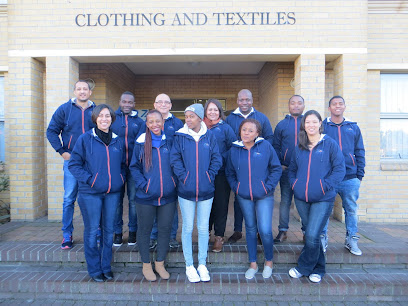
Technology Station Clothing and Textiles is a Colleges, Fashion design school establishment in Cape Town, Western Cape, South Africa
Cape Town
Western Cape
7530
South Africa
Curriculum
The Curriculum section for Technology Station Clothing and Textiles (TSCT) presents a distinctive approach to developing capabilities within the clothing and textile sector in Cape Town and the Western Cape. Grounded in innovation and practical industry relevance, the centre emphasises programmes and learning activities that connect manufacturing advice, training, product development, and textiles testing and analysis with real-world needs. The emphasis is on building competences that enable institutions and individuals to respond effectively to evolving demands within the South African clothing and textile environment.
Central to TSCT’s curricular philosophy is the collaboration with industry and higher education to ensure that teaching and learning remain responsive to current and future industry requirements. The organisation positions itself as a conduit for feedback into technical and vocational education, linking practitioner insights with academic research and curriculum development. This alignment supports learners and professionals in acquiring up-to-date knowledge and practical skills that can be applied directly within manufacturing and design contexts. The emphasis on innovation support suggests that curriculum design prioritises problem solving, applied research, and the iterative refinement of products and processes, rather than purely theoretical instruction.
Within the curriculum, emphasis is placed on areas such as pattern making, product development, and pattern-related services, which are reflected in TSCT’s activity to order and supply pre-designed patterns and pattern-related resources. While specific course titles, durations, and entry requirements are not listed in the available materials, the centre’s activities indicate a focus on practical pattern making and industrial clothing supports as a core component of its curricular activities. Short learning opportunities are highlighted, including a Short Learning Programme for 2025, which signals a commitment to compact, skills-forward options that can be undertaken by a broad range of learners, from aspiring practitioners to industry personnel seeking targeted upskilling.
In terms of delivery modalities, there is an indication of blended and accessible options through TSCT’s online presence and its support channels. While precise formats are not detailed in the available materials, the existence of online resources, access to an online channel for clothing and textiles support, and published short courses suggests that learners may have opportunities to engage with the curriculum via digital platforms, supplemented by practical, hands-on activities where feasible. This blended approach aligns with contemporary workforce development practices, enabling wider participation and flexible progression for individuals who are balancing work commitments with learning goals.
Short courses and professional training form a notable pillar of the curriculum. The organisation’s emphasis on short learning programmes and targeted training resonates with industry needs for rapid upskilling, customised skills development, and immediate applicability. Activities described on the site underscore the value placed on practical competencies—ranging from pattern design and adjustment to broader textile manufacturing insights—alongside activities designed to strengthen industry collaboration and knowledge transfer. This focus on short courses complements longer-term learning pathways by enabling participants to acquire specific competencies without extended time commitments.
Support structures and learning resources are presented as integral to the curriculum. TSCT promotes access to industry-focused feedback loops and research-informed practice, which may translate to enhanced ancillary services such as textiles testing and analysis, manufacturing advice, and product development guidance. The centre’s status as a vehicle for innovation support implies that learners and professionals can benefit from exposure to the latest materials, tooling, and testing methodologies that underpin robust product outcomes. Distinctive resources may include access to patterns, pattern-making services, and other technical materials that support practical learning and project work.
Extracurricular and student support elements are hinted at through TSCT’s broader mission and activities. By fostering connections with the University of Technology (UoT) through industry engagement and research collaboration, the centre creates opportunities for experiential learning, industry placements, guest lectures, and applied research projects. The involvement of the Technology Innovation Agency as a sponsor further signals a supportive ecosystem that emphasises innovation, entrepreneurship and the translation of laboratory insights into market-ready solutions. Learners seeking additional guidance may benefit from access to this network of industry and academic partners, which can enrich the educational experience beyond formal coursework.
In summary, the Curriculum at Technology Station Clothing and Textiles centres on practical, industry-aligned learning that integrates pattern making, product development, and textiles testing within a framework of innovation and applied research. Short courses and blended delivery reflect a flexible approach to upskilling, while collaborations with industry, academic partners, and supportive agencies emphasise a broader ecosystem designed to enhance employability and competitiveness within South Africa’s clothing and textile sectors. For further information on specifics such as current short programmes and learning options, interested readers are encouraged to consult the TSCT website and related programme pages.
Faculties and Branches
The Technology Station Clothing and Textiles (TSCT) operates as an industry innovation support initiative based in Cape Town, Western Cape. It functions to strengthen the clothing and textile sector by feeding practical industry needs back into teaching, learning and research programmes offered by the University of Technology. The structure emphasises collaboration rather than standalone faculties, connecting industry staff, researchers and students to develop practical solutions, improve competitiveness and advance technology adoption within the local textile sector.
In terms of organisational relationships, TSCT is closely linked with higher education partners and industry sponsors. The main sponsor is the Technology Innovation Agency, which supports innovation and R&D in textiles and manufacturing. The centre is also connected to Cape Peninsula University of Technology through its engagement channels, underscoring a campus-based, Cape Town–focused model of collaboration between education and industry. These links enable programmes and student services to be informed by real-world challenges and to provide pathways for practical project work, internships and applied research.
Campuses and branches, where applicable, are presented in terms of shared facilities and collaboration rather than a separate, standalone campus network. The TSCT’s activities in Cape Town are embedded within the local education ecosystem, with coordinated access to resources, equipment and expert advisory services designed to support patternmaking, textiles testing, product development and manufacturing advice. This structure ensures that programme content and learning outcomes stay aligned with industry needs, helping students transition from study to industry roles more effectively.
The collaboration model also supports specialised services such as pattern designing, industrial clothing patterns and related textiles expertise. By linking with industry partners and technology agencies, TSCT facilitates access to technical support, research insights and development projects that complement formal qualifications and short learning programmes offered through partner institutions.
Overall, the Faculties and Branches framework, as described by TSCT, centres on a hub-and-spoke approach: a core industry innovation hub in Cape Town connected to university programmes and industry partners across the Western Cape. The emphasis remains on applied learning, research utilisation and industry-facing services that bridge education with real-world textile and clothing manufacturing demands.
- Learn more about the TSCT’s mission and partners: About TSCT
- Connect with partner institutions: Cape Peninsula University of Technology
- Industry and sponsorship: Technology Innovation Agency
Registration Details
Technology Station Clothing and Textiles (TSCT) in Cape Town, Western Cape, provides resources and programmes aimed at supporting the clothing and textile sector. The public-facing material on the TSCT site does not publish a single, consolidated set of formal application deadlines, fees, or standard registration forms. Instead, prospective participants are invited to consult the organisation’s online resources for information related to learning programmes, pattern services, and industry support activities.
For those seeking to engage with TSCT, the primary point of reference is the organisation’s website, which outlines ongoing offerings such as short learning programmes and patternmaking services. While specific registration steps are not itemised in the publicly visible content, the site directs visitors to its broader learning and support pages for relevant opportunities. Interested individuals are encouraged to explore the Short Learning Programme section to discover upcoming offerings and related details. Access to this information is available through the site’s posts and programme pages, which provide the latest context on available learning opportunities.
Where to apply or register is not stated as a single, explicit process on the public pages. Potential applicants should navigate the TSCT site to locate any programme pages or short learning opportunities that align with needs in clothing and textiles education and industry development. When available, links to registration or application pages are included within those programme sections. In some cases, information may be updated through news posts or dedicated programme announcements, which can be found in the site’s “Uncategorized” or “Latest Posts” areas.
Eligibility or entry requirements are not listed as a universal criterion across all TSCT offerings in the publicly visible content. Readers are advised to review the specific programme descriptions on the site to determine whether particular prerequisites apply. If a programme requires collaboration with partner institutions or industry sponsors, such notes are typically reflected in the programme description itself. Where requirements are stated, they are presented in plain terms within the corresponding page and are not supplemented with invented details elsewhere on the site.
Documents typically required for registration, such as employment or training records, references, or identification, are not described in the publicly available content. The TSCT materials emphasise information access and programme alignment rather than procedural checklists. Therefore, prospective participants should rely on the programme pages for any explicit document requests, if they appear, and treat other information on the site as general guidance rather than a definitive compliance checklist.
For clarifications or direct assistance, the TSCT website offers several channels for engagement. While personal contact details such as telephone numbers and email addresses are not published here, the site provides a general contact pathway and links to its online presence. Readers can use the main website to locate current contact options, including any contact forms, social media links, or programme-specific inquiries. The organisation also maintains a presence in connected online channels that may host announcements, support discussions, or updates related to registration and participation.
In summary, while a single, explicit registration process is not visible in the public content provided, interested individuals should regularly review the TSCT website for programme disclosures, short learning opportunities, and any registration links that may be published with those offerings. For direct access to the organisation’s information hub, the main site can be visited at http://www.tsct.co.za/, and specific programme updates are likely to appear in the related sections such as Short Learning Programme 2025 and the organisation’s posts. Updates and further guidance are typically announced through the site’s news and programme pages, with links to apply or register appearing where available.
Sorry, no records were found. Please adjust your search criteria and try again.
Sorry, unable to load the Maps API.
Education in Cape Town: Resources and Pathways
Cape Town, located in the Western Cape of South Africa, offers a diverse landscape of educational opportunities suitable for a wide range of learners and families. The city supports a spectrum of institutions that shape pathways from early schooling through higher education and professional training, with a strong emphasis on accessibility, community engagement, and practical preparation for the workplace.
Schools in Cape Town encompass public and independent options, catering to various curricula and assessment frameworks. Primary and secondary education often emphasise foundational literacy and numeracy, with programmes that integrate science, technology, arts, and physical education. In addition to core subjects, learners frequently encounter language support, guidance counselling, and inclusive education services designed to accommodate diverse learning needs. Boarding and day arrangements may be available at some secondary schools, contributing to academic focus and social development for families considering distant or international study prospects.
Colleges and further education institutions in the city provide vocational and technical training alongside academic pathways. Programmes commonly span business studies, information technology, hospitality, engineering trades, health sciences, and creative arts. Many centres emphasise hands-on learning through workshops, simulated environments, and industry partnerships. Short courses, certificates, diplomas, and higher certificates are typical offerings, providing flexible routes for upgrading qualifications or entering specific sectors such as tourism, construction, or digital technologies.
Universities near and within the Cape Town area deliver undergraduate and postgraduate degrees across disciplines including humanities, sciences, health, and business. These institutions serve local students and international learners, with robust support structures designed to assist academic progression. Typical measures of support include academic advising, learning centres, and accessibility services intended to foster student success. Enrolment processes commonly involve application timelines, documentation, and entry requirements that reflect standard attainment levels for courses and degrees, alongside pathways for articulation between colleges and universities where applicable.
Learning support and student services play a central role across the educational spectrum. Academic assistance may take the form of tutoring, writing centres, study skills workshops, and special accommodation arrangements for learners with recognised needs. Mental health and well-being services, career guidance, and financial literacy support are frequently available to help learners navigate the demands of study and plan for future employment. Language acquisition and translation assistance can be encountered in multilingual settings, reflecting the region’s linguistic diversity.
Facilities and resources commonly found in Cape Town institutions include well-equipped libraries with study spaces, research materials, and access to online databases. Laboratories for sciences and engineering provide hands-on experimentation, while computer labs and makerspaces support digital and creative projects. Sports complexes, gymnasiums, and recreational facilities encourage physical activity and team participation. Accommodation options, where offered, vary from campus residences to partner housing nearby, addressing student needs for safe and affordable living arrangements during term time.
Typical pathways for learners involve guided progression from entry-level schooling to higher education or vocational training. Admissions processes generally require appropriate academic records, completion of relevant prerequisites, and adherence to application timelines. Articulation routes between colleges and universities may enable credit transfer, while awareness of available scholarships, bursaries, and funding can ease access to study opportunities. Where entry requirements are stringent, preparatory programmes or bridging courses provide additional support to bridge gaps in required subjects or levels of achievement.
Overall, Cape Town presents a dynamic educational ecosystem with a broad array of learning options. The combination of diverse institutions, practical programmes, supportive services, and accessible facilities contributes to a learning environment that accommodates diversity of need, interest, and aspiration for learners across the Western Cape and beyond.