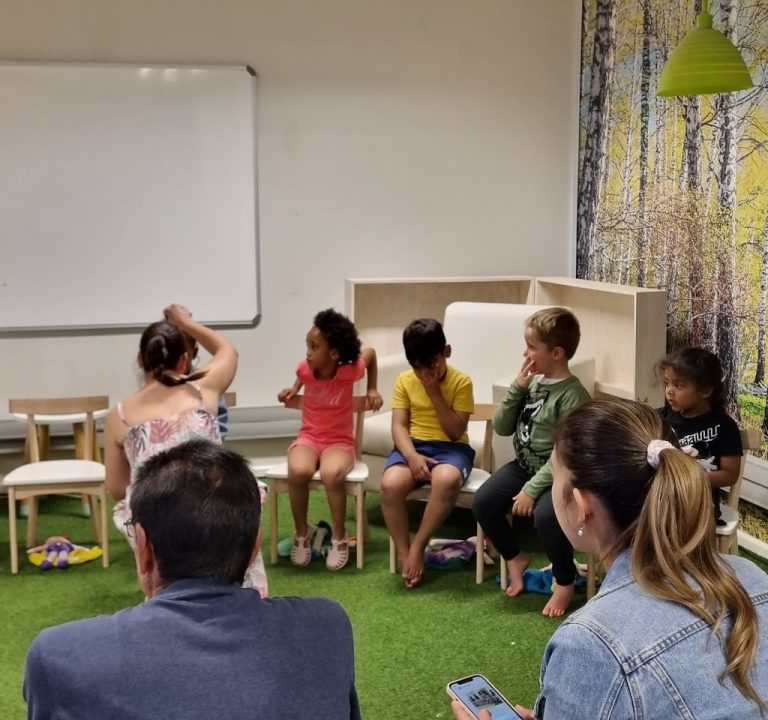
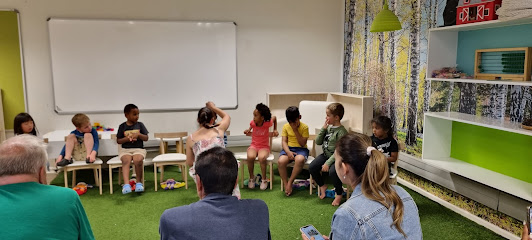
Reddam House Primary Durbanville is a Private colleges establishment in Cape Town, Western Cape, South Africa
Cape Town
Western Cape
7550
South Africa
Curriculum
Reddam House Durbanville delivers a robust, internationally oriented curriculum designed to nurture academic excellence while developing well‑rounded individuals. The school offers a dual pathway approach, aligning with both the Cambridge Assessment International Curriculum and the Independent Examinations Board (IEB). This combination provides learners with the flexibility to progress through internationally recognised qualifications while benefiting from South Africa’s established assessment framework. The school describes its offering as a world‑class education that prepares students to become successful global citizens, capable of meeting higher education and career challenges anywhere in the world.
Curriculum provision spans from Early Learning through Primary to the College (ages 18 months to 19 years). In the early years, learners are supported by a nurturing environment that emphasises foundational literacy, numeracy and social development, setting the stage for later academic rigour. Primary school learners (ages 6–12) engage with a comprehensive programme that emphasises core academic disciplines alongside creative and physical development. The College (ages 13–19) offers a more advanced framework, guiding students through IGCSE and A‑Level options under the Cambridge pathway, alongside IEB examination preparation for those following the South African curriculum track.
Committed to academic rigour, the school highlights its track record of high achievement in Cambridge assessments and IEB examinations. The 2024 curriculum results reflect strong performance across subjects, with multiple subject distinctions and several students attaining top aggregates. The school’s emphasis on exemplary teaching, coupled with learner dedication, is positioned as a cornerstone of its reputation for excellence in the Cape Town region.
In addition to formal examinations, the curriculum is supplemented through a broad range of enrichment opportunities designed to develop curiosity, critical thinking and practical competencies. A dedicated focus on enrichment supports the development of skills beyond textbook knowledge, encouraging learners to apply concepts in real‑world contexts. The school’s environment emphasises balance, recognising the value of participation in sports, culture and arts alongside academic study. This holistic approach aims to produce graduates who are academically capable, socially responsible and adaptable in diverse environments.
Distinctive resources underpinning the curricular framework include modern facilities that support science, technology and creative exploration. The campus provides well‑equipped science laboratories, together with spaces such as a contemporary auditorium and functional common areas that facilitate collaborative learning. Access to these resources is described as enabling learners to engage deeply with their subjects, experiment with ideas and develop informed perspectives about a rapidly changing world.
As an Inspired School, the Durbanville campus emphasises specialist‑led curricula, with teaching teams working to tailor learning experiences to individual needs. This approach supports student potential by offering guidance and opportunities that extend beyond standard classroom delivery. The overarching aim is to foster independence, resilience and a lifelong love of learning, ensuring that learners are prepared for tertiary study and future professional endeavours.
Beyond the core academic programme, the school highlights a vibrant extramural and cultural offer. A wide array of activities and clubs is available to complement the core curriculum, contributing to the development of transferable skills such as teamwork, leadership and time management. While specific short courses or professional training are not itemised on the publicly available pages, the accompanying emphasis on enrichment, sports and the arts indicates a commitment to a holistic education that broadens learners’ horizons and supports personal growth.
In terms of delivery, the information available indicates a blended, well‑resourced approach to learning within a safe and supportive school environment. The combination of high‑quality teaching, rigorous assessment and extensive facilities is designed to enable learners to realise their potential academically while cultivating the confidence and social competencies required for success beyond school gates. Although the precise modalities of online or blended learning are not specified, the school's modern infrastructure and commitment to an adaptive, specialist‑led curriculum suggest readiness to integrate digital tools as appropriate to the curriculum and learner needs.
Overall, the Curriculum at Reddam House Durbanville reflects an ambition to combine international academic rigour with local relevance, delivering an education that equips students to excel in university settings worldwide while remaining engaged with their community and personal interests. The school positions itself as a progressive, globally connected institution that supports individuality within a structured framework, ensuring learners emerge as capable, compassionate and aspirational young people.
- Curriculum levels: Early Learning, Primary School, College (ages 18 months–19 years).
- Pathways: Cambridge International (IGCSE and A‑Levels) and IEB national curriculum.
- Distinctive features: specialist‑led curriculum, high‑quality facilities, enrichment beyond core subjects, emphasis on holistic development.
Faculties and Branches
Reddam House Durbanville operates a structured, three-tier educational offering on its Durbanville campus in Cape Town, Western Cape. The school presents distinct phases that together form a continuous educational journey from early childhood through to late adolescence. The campus organisation aligns with a holistic learning approach, offering not only a rigorous curriculum but also a breadth of enrichment activities designed to nurture academic, artistic and athletic development.
The institutional framework comprises three principal divisions:
- Early Learning School (Ages 1–5 years)
- Primary School (Ages 6–12 years)
- College / High School (Ages 13–19 years)
Within this structure, the school integrates two internationally recognised curricula. Cambridge International provisions form a core component for many students, alongside the locally recognised Independent Examinations Board (IEB) framework. This dual-curriculum arrangement supports flexible pathways for learners aiming for global higher education destinations, and reinforces the school’s aim of producing capable, globally aware citizens.
The Durbanville campus is described as a well-resourced environment with facilities that support both core academics and wider development. Science laboratories equipped with modern technology, a purpose-built auditorium, contemporary canteen facilities, and a comprehensive range of sports amenities are highlighted as part of the on-site provision. Such facilities underpin a programme that combines rigorous academic standards with extensive extra-curricular opportunities, ensuring a balanced and well-rounded student experience addressing interests beyond the classroom.
As an institution, the school emphasises individuality within a nurturing community. The structure of faculties and student services is designed to accommodate a broad spectrum of talents and interests, enabling learners to participate in sports, cultural activities and clubs alongside their primary academic commitments. This approach reflects the school’s philosophy of developing not only academic proficiency but also the social and personal skills essential for success in later life.
In terms of student progression, the provision across Early Learning, Primary, and College is described as cohesive, with continuity of care and support that follows learners through the different stages. The campus thus functions as a cohesive ecosystem where educational programmes, student support services and enrichment activities are aligned to maximise growth, achievement and personal development.
In recognising global education trends, the school positions itself as offering a world-class, internationally focused education. The combination of Cambridge and IEB curricula, coupled with contemporary facilities and a range of co-curricular offerings, positions Reddam House Durbanville as a prominent private school within Cape Town and the Western Cape, able to prepare students for university study and life beyond school with confidence.
For prospective families, the Durbanville campus presents a clear pathway through its three main divisions, supported by a curriculum framework that is both internationally minded and locally grounded. The arrangement enables learners to select routes aligned with their strengths and aspirations, while benefiting from a school culture that values individuality, excellence and balanced growth.
Registration Details
Reddam House Durbanville offers a broad, international curriculum across its campus in Cape Town, with programmes spanning early learning through to college. The school emphasises a holistic education, combining Cambridge International assessments with the Independent Examinations Board (IEB) framework, and invites prospective families to engage with the admissions process through its online and on-site channels. The campus is located in Durbanville, Western Cape, roughly 40 minutes from central Cape Town, and aims to provide a well‑rounded education that supports students in realising their individual talents.
Registration and admissions information for Reddam House Durbanville is presented through the school's online platform. Interested families are encouraged to begin the journey by arranging a personalised tour of the campus, which can be booked online via the school’s site. A tour offers insight into the facilities, curriculum, extra‑curricular opportunities and the school’s approach to individual student development. The “Book a Tour” option is available from the main admissions or visit pages on the site, and serves as a practical first step for those considering admission to the Primary School in Durbanville.
The school operates across distinct educational stages, each with its own information hub: Early Learning (ages 18 months to five years), Primary School (ages 6 to 12), and College/High School (ages 13 to 19). Prospective families can access dedicated pages for each stage to understand age‑specific offerings and progression routes. These stage pages include links to more detail about the curriculum, facilities and the school’s distinctive dual Cambridge and IEB approach, helping families determine where their child might fit within the Reddam House Durbanville model.
While specific registration deadlines, forms, or fees are not itemised on the publicly available pages, the site directs interested parties to the main admissions pathway and contact points to initiate conversation. The emphasis is on first engaging with the school through a personalised tour and then exploring the relevant stage pages to assess fit with family goals and the learner’s needs. The site also highlights key school achievements and the spectrum of activities that accompany the curriculum, assisting families in understanding the environment in which admissions will take place.
Where to apply and how to proceed is therefore primarily framed through the school’s online entry points. The primary action for prospective applicants is to book a tour using the “Book a Tour” link, which leads to a personalised visit and subsequent discussions about entry options. For further exploration, the school provides direct links to the Nursery, Primary and College information pages, allowing families to navigate to the appropriate section based on the learner’s current stage and future progression. These links are visible on the site and can be accessed to gain comprehensive, stage‑specific information before or during the admissions process.
- Book a Tour: https://www.durbanville.reddamhouse.com/visit-us/personalised-tours
- Nursery – Early Learning (ages 1–5): https://www.durbanville.reddamhouse.com/nursery-school-durbanville
- Primary – Ages 6–12: https://www.durbanville.reddamhouse.com/primary-school-durbanville
- College/High School – Ages 13–19: https://www.durbanville.reddamhouse.com/high-school-college-cape-town-durbanville
For additional information or to discuss admission questions, families can navigate to the standard site pages and use the available contact routes. The school’s approach combines rigorous academics with a nurturing environment, aiming to support every learner through their respective stage of education in Durbanville.
Sorry, no records were found. Please adjust your search criteria and try again.
Sorry, unable to load the Maps API.
Education and Resources in Cape Town, Western Cape
Cape Town, situated on the southern tip of Africa, offers a diverse landscape of educational opportunities that serve a wide range of learners and families. The city hosts a mix of public and private schools, further education and training colleges, universities, and specialist training centres, all set within a region renowned for its scenic environment and cultural diversity. Across the Western Cape, these institutions contribute to a comprehensive system designed to support progression from school through higher education and into various career paths.
Schools in Cape Town typically provide education from primary through secondary levels, with curricula that align to national standards and regional frameworks. Within these settings, learners can encounter a variety of programmes, including general academic streams, vocational subjects, and specialised streams aimed at preparing students for further study or entry into the workforce. Support for learners with additional needs is commonly available through inclusive education units, learning support services, and access to counsel-ling and career guidance between terms and exams.
Further education and training (FET) colleges and private training centres offer practical, industry-focused programmes that cover a range of trades, certificate courses, diplomas, and foundational qualifications. These institutions often collaborate with local industries to ensure the relevance of curricula, emphasising hands-on learning in well-equipped workshops and laboratories. Short courses and continuing professional development options are frequently available to learners seeking to upskill or switch careers.
Higher education institutions in the area provide a spectrum of undergraduate and postgraduate programmes. A cornerstone of the region’s offerings is the ability to pursue degrees in fields such as humanities, sciences, business, engineering, and health-related disciplines. In addition to traditional degree programmes, many institutions provide articulation routes, enabling learners to transfer credits between programmes or to enter honours and master’s level study after completion of a relevant bachelor’s degree. Some campuses host collaborative research initiatives, offering opportunities for fieldwork, internships, and partnerships with local communities.
Learning support and student services form a key feature of educational life in Cape Town. Academic services frequently include tutoring, study skills workshops, writing and language support, accessibility services for students with disabilities, and mental health resources. Registration and admissions processes are typically designed to be transparent, with clear information on required documents, application timelines, and potential financial aid options, while maintaining emphasis on equitable access for learners from diverse backgrounds.
Facilities and resources commonly seen across campuses and schools include well-stocked libraries with electronic resources, computer laboratories, science and engineering laboratories, and practical spaces for creative disciplines. Sports facilities, fitness centres, and outdoor fields are generally available to encourage physical education and extracurricular participation. Student accommodation is provided in some instances, either on or near campuses, with housing services assisting new entrants in navigating residency options and related costs. Accessibility to transport corridors and safe campus environments is also a notable consideration for learners commuting from various parts of the city and surrounding districts.
Typical pathways begin with enrolment at a school or college, followed by progression to a higher education or vocational route. Admissions processes typically involve meeting age or qualification prerequisites, submitting transcripts, and, in some cases, completing entrance assessments or language tests. Financial considerations may include government grants, bursaries, or institution-specific bursaries, alongside private funding and scholarships. Gateways such as bridging or foundation programmes are commonly available to support learners whose prior preparation does not align directly with degree or diploma entry requirements, helping to bridge the transition into higher education or skilled employment.
Overall, Cape Town and the Western Cape provide a broad ecosystem of educational resources designed to accommodate diverse learning objectives. The combination of academic rigour, practical training, strong student support, and accessible facilities contributes to a learning environment that supports personal and professional growth for learners and families across the region.