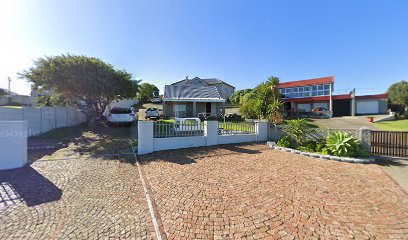
It’sHospitality is a Hospitality and tourism school establishment in Van Dyks Bay, Western Cape, South Africa
Van Dyks Bay
Western Cape
Van Dyks Bay
South Africa
Sorry, no records were found. Please adjust your search criteria and try again.
Sorry, unable to load the Maps API.
Education and Resources in Van Dyks Bay, Western Cape
Van Dyks Bay sits within a region where learners and families typically access a diverse mix of educational institutions and support services. While the village itself may be small, the surrounding Western Cape area offers a broad array of learning opportunities that can accommodate various ages, interests, and career aspirations. From primary and secondary schooling to further education and specialised training, the local landscape emphasises accessible, learner-centred pathways.
Types of institutions commonly encountered by residents include public and independent schools offering the national curriculum and local adaptations. These schools often provide core subjects across key stages, with additional language options, arts, physical education, and information technology. Secondary schools may prepare learners for national examinations and further study, while primary schools focus on foundational skills in literacy and numeracy, alongside social and environmental learning. In more coastal and rural contexts, geography may influence schoolrounding, transport arrangements, and community partnerships that support daily attendance.
Further education and training frequently manifest through a mix of colleges and vocational centres within reachable districts. These settings commonly offer certificate, diploma, and higher certificate programmes aligned with industry needs. Programmes often span disciplines such as business administration, hospitality and tourism, construction, engineering principles, information technology, and health support services. Short courses and skills programmes may also be available for upskilling, career changes, or personal development. In addition, private training providers alongside community colleges help learners pursue practical qualifications that enhance employability and progression into apprenticeships or higher education.
Higher education options within a feasible radius typically include universities located in larger towns and cities nearby. These institutions deliver undergraduate and postgraduate degrees, preparatory courses, and generic pathways designed to ease transitions from school or college. Access to facilities such as libraries, study spaces, computer laboratories, and research support is commonly complemented by student services that focus on academic guidance, career information, and financial planning where applicable. Admission processes generally involve submitting academic records, meeting language requirements, and meeting specific programme prerequisites, with timelines varying by institution and course of study.
Learning support and student services form an important pillar of the educational experience in the region. Many institutions provide soutien for learners with different needs, including tutoring services, counselling, peer mentorship, and study skills workshops. Accessibility considerations such as transport planning, dietary support, and accommodation options for students from distant areas are often addressed by campus or community programmes. Libraries and digital resource centres feature substantial collections, lending services, e-resources, and quiet study zones to foster independent learning and group collaboration.
Facilities and resources commonly associated with the educational landscape include well-equipped classrooms, science and computer laboratories, workshops for practical skills, sports and recreation facilities, and auditoria for cultural activities. Accommodation is occasionally available through dedicated student housing or shared living arrangements, particularly for those relocating from other towns or districts to pursue studies. Sport and cultural programmes frequently run alongside academic courses, promoting wellness, teamwork, and community engagement.
Typical pathways through the educational system follow a progression from primary education to secondary schooling, then to further education or higher education. Registration at the school or college level normally involves presenting prior academic records and any required documents, meeting age or programme prerequisites, and complying with local registration deadlines. Guidance services within institutions assist with course selection, timetable planning, and exploring career options, while external organisations may offer additional information sessions and open days to help families make informed decisions.
- Core subject options at secondary level (languages, mathematics, sciences, humanities)
- Vocational and technical programmes (business, IT, hospitality, trades)
- Preparatory and access courses for higher education
- Support services (tutoring, counselling, academic skills)
- Library and digital learning resources
- On-campus accommodation and sports facilities where available
- Career guidance and progression planning
Further information about regional education resources can be located through official portals and regional education offices. Anyone researching options in Van Dyks Bay and its surrounds is encouraged to consult the Western Cape Education Department and nearby higher education institutions for up-to-date programme offerings, admission timelines, and support services.