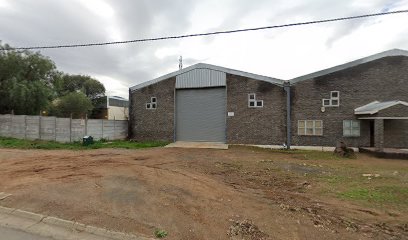
Innovation for the Blind – Metaal Afdeling is a Engineering school establishment in Worcester, Western Cape, South Africa
Worcester
Western Cape
6849
South Africa
Sorry, no records were found. Please adjust your search criteria and try again.
Sorry, unable to load the Maps API.
Education and Educational Resources in Worcester, Western Cape
Worcester, nestled in the Western Cape, presents a diverse landscape for learners of all ages. The town supports a broad spectrum of educational pathways, from early years and secondary schooling to higher education, further education, and a range of vocational and community programmes. The emphasis across the area remains on accessible, value-driven provision that helps individuals build skills for study, work, and citizenship.
Family and learners can typically discover a mix of institutions offering structured curricula and flexible options. Local government and education authorities coordinate opportunities that align with national guidelines, while community organisations often provide additional support and outreach. Schools in the region commonly deliver standard national syllabuses alongside regional adaptations, with programmes designed to accommodate varied learning styles and speeds. Secondary schools may offer a mix of core subjects, language instruction, mathematics, sciences, humanities, and practical subjects, alongside guidance on career planning and subject choices for future studies.
For those pursuing higher education or vocational qualifications, several campuses provide access to certificates, diplomas, bachelor’s degrees, and professional courses. In many instances, learners can progress from a college or technical centre to a university programme, subject to meeting admission criteria and successful completion of required foundations. In addition to traditional degree routes, information technology, business studies, engineering-related trades, health sciences, and creative industries commonly feature in local curricula, reflecting industry demand and regional priorities.
Support services are commonly available to help learners navigate educational choices and progression. Academic advising, language and literacy assistance, tutoring options, and study-skills resources are frequently offered through schools, libraries, and dedicated centres. Guidance on funding opportunities, bursaries, and scholarships may be accessible via campus offices, government schemes, or community organisations. For learners with additional needs, inclusive practices and disability support services are often integrated into institutions, with adjustments to teaching materials, assessment methods, and timetabling where appropriate.
Facilities and resources play a central role in Worcester’s educational ecosystem. Libraries are typically well-stocked with reference materials, periodicals, study spaces, and digital resources. Laboratories for science, technology, and engineering programmes provide practical environments for experimentation and hands-on learning. Arts and culture spaces, computing labs, and maker spaces often support creative and technical projects. Sports facilities and outdoor recreation areas contribute to holistic development, while student housing and campus accommodation options offer safe, convenient places to stay for those studying away from home.
Typical pathways begin with establishing a solid foundation in compulsory education, followed by progression to post-secondary options. Admissions processes generally involve submitting application materials within specified windows, fulfilling entry requirements for chosen courses, and presenting any required supporting documentation. Registration commonly includes course selection, fee arrangements where applicable, and orientation activities designed to help newcomers acclimate to the learning environment. For international or non-local learners, guidance on visa and residency considerations may be available through relevant authorities and campus services.
In addition to formal institutions, Worcester and its surrounds host a variety of training centres, community education programmes, and short courses aimed at upskilling and career transitions. These resources often emphasise practical competence, industry-recognised certifications, and flexible learning formats, including evening or weekend classes to accommodate working individuals and family responsibilities.
Overall, the Worcester area offers a cohesive mix of educational opportunities characterised by accessibility, practical relevance, and support-driven learning. Whether pursuing traditional academic routes, vocational training, or supplementary learning, learners and families can anticipate a network of institutions and services designed to facilitate progression and personal growth.
- Libraries with study spaces and digital access
- Science, technology, engineering and maths (STEM) laboratories
- Arts, humanities and media facilities
- Sports and recreation facilities for student wellbeing
- Academic advising, tutoring, and language support
Website resources and official portals provide further information on course offerings, admissions timelines, and resource access, helping learners plan their educational journeys within Worcester and the Western Cape.