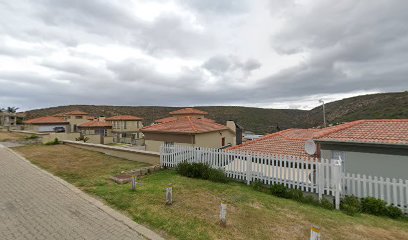
The Nest Educational Hub is a Educational consultants establishment in Mossel Bay, Western Cape, South Africa
Mossel Bay
Western Cape
6520
South Africa
Curriculum
The Nest Educational Hub in Mossel Bay positions learning programmes around play-based, evidence-informed practices designed to foster cognitive, social and motor development. The curriculum centres on structured, hands-on activities that integrate 21st‑century competencies such as critical thinking, collaboration, creativity and communication. Core offerings are built around Six Bricks and Lego 4 Learning concepts, with a focus on engaging learners through interactive materials and practical classroom application.
Two primary strands underpin the Hub’s formal educational offerings. First, Six Bricks Level 1 and Level 2 Facilitation provide educator-focused CPD designed to raise instructional quality and pupil engagement. These accredited facilitation programmes equip teachers, therapists and education professionals with practical, research-backed strategies to support holistic development in children. The content emphasises executive functioning, memory, attention and problem-solving, delivered through hands-on activities that are scalable across settings from mainstream classrooms to special needs programmes.
Second, Play Box and LEGO‑based learning form the other pillar of the curriculum. The Play Box is described as a dynamic, multi-sensory toolkit that enriches classroom environments and supports holistic development through structured yet flexible activities. Its tactile, visual and auditory elements are designed to promote active learning, self-regulation and social‑emotional growth, with an emphasis on inclusive learning that builds executive functioning and 21st‑century skills across individual, paired and small-group formats.
In addition to these core strands, The Nest Educational Hub offers a range of resources and bespoke workshops. Where relevant, the curriculum encompasses supplier-backed or authorial materials that educators can access to support lesson planning and classroom practice. The organisation also extends professional development into bespoke workshops for schools and organisations, allowing tailored approaches aligned to specific learning goals and group needs. This enables a blended model of delivery, combining online components with face-to-face interaction when available.
Professional development is complemented by practical resources and information packs. The Hub highlights online training dates and opportunities to participate in live sessions, with considerations for online or blended delivery. Many offerings emphasise the application of play-based strategies in real-world teaching contexts, enabling learners to transfer skills from structured play to everyday classroom activities. For those seeking ongoing support, follow-up activities and alumni resources are included, expanding access to materials and guidance beyond initial training.
The curriculum model encourages active educator participation and collaborative learning. Training materials include printable resources and workbooks designed to reinforce concepts after live sessions, along with access to an online alumni platform that expands resource availability over time. The approach aims to be practical and immediately actionable, enabling educators to implement strategies with learners of diverse needs and backgrounds.
Online and blended options are explicitly recognised within the offerings. Six Bricks Level 1 & 2 facilitation, for instance, can be delivered online or face-to-face, depending on scheduling and groups. Online training typically requires participants to have access to bricks (Six Bricks sets) and a reliable internet connection, with live sessions accompanied by follow-up work and access to a substantial suite of printable resources. Blended formats are described as combining live online instruction with practical, hands-on activities that participants complete with their own materials.
Short courses and professional training form a notable component of the curriculum. Sessions are designed for educators seeking practical CPD and immediate classroom applicability. Additional offerings include customised workshops and corporate events, which extend the curriculum into organisational development and team-building contexts. For schools and groups, the Hub provides packages subject to consultation, ensuring that training aligns with specific learning objectives and logistical requirements.
Distinctive learning resources cited by The Nest Educational Hub include the Six Bricks Information Pack, the Play Box information and resource bundles, and ongoing access to a repository of printable activities and activity booklets. These resources support ongoing professional growth and classroom practice, reinforcing the link between structured play, cognitive development and 21st‑century skills. Information about these resources is available via the Hub’s website, with further details accessible through related pages and downloadable packs.
Overall, the curriculum at The Nest Educational Hub emphasises practical, play‑driven learning that translates into measurable classroom impact. By combining educator CPD in Six Bricks with the multi‑sensory Play Box approach and a robust set of accompanying resources, the programme seeks to empower teachers and enable learners to thrive in diverse educational settings. For further information and booking details, prospective educators and schools can consult the Hub’s official pages and resource packs.
- Six Bricks Level 1 & 2 Facilitation (accredited CPD)
- Play Box training and resources
- Educational resources and customised workshops
- Blended and online delivery options
- Schools, groups and corporate training packages
Further details and updates on available dates, formats and materials can be found through the Hub’s online resources and workshops pages.
Faculties and Branches
The Nest Educational Hub presents a structured offering focused on play-based learning and educator professional development, with emphasis on Six Bricks and Play Box methodologies. While no formal list of traditional faculties or landbased campuses is published, the organisation operates as an internationally endorsed hub for CPD and instructional resources, delivering programmes that support cognitive development, executive functioning, and 21st‑century skills across diverse educational settings.
Centre of activity and scholarly focus is organised around two flagship units: Six Bricks Facilitation and Play Box Training. Six Bricks Facilitation provides accredited Level 1 and Level 2 CPD programmes for educators, therapists, and other education professionals. These workshops combine practical, research-backed strategies with opportunities for ongoing professional learning, responding to the growing demand for hands‑on, scalable tools that enhance engagement and holistic development in learners. The hub periodically announces online and, where available, in-person training dates, reflecting a flexible approach to professional development that can accommodate international participants as well as local learners in South Africa and beyond.
Play Box Training centres on a dynamic, multi-sensory toolkit designed to enrich classroom environments and support children’s development through play. Training emphasises the integration of Play Box activities into curricula to bolster executive functioning, creativity, and social‑emotional learning. As with Six Bricks, the Play Box programme is aimed at teachers and other professionals seeking structured yet adaptable resources to implement inclusive, student‑centred learning experiences.
In addition to these core units, the Hub offers a broader spectrum of educational services designed to support schools and groups. These include customized workshops and corporate team-building events, reflecting a commitment to applying play-based methods in varied contexts. Educational resources are also made available through partnerships and publishing channels, extending the reach of practical, classroom-ready materials.
Campus and branch information is not listed as conventional physical sites; instead, The Nest Educational Hub operates through online platforms and targeted collaborations. This structure enables scalable access to training, resources, and workshops, allowing educators and organisations to participate remotely or arrange tailored sessions after consultation. The organisation signals a networked model through associated offerings and a South African network for professional exchange, highlighting a regional presence and a broader, international reach in professional development for play-based learning.
Programme delivery is closely tied to the Hub’s educational philosophy, which centres on making learning engaging, interactive, and accessible. The Six Bricks and Play Box initiatives are positioned as core offerings that empower learners of all ages, with the intention of equipping educators with practical tools that translate into tangible classroom outcomes. The presence of information packs, online training dates, and “schools & groups” arrangements underscores a structured yet flexible framework designed to support diverse educational communities.
For prospective students, educators, and partner organisations seeking more detail, The Nest Educational Hub provides further information and updates across its offerings pages and related sections of the website. Links to Six Bricks facilitation, Play Box resources, and related workshops offer direct routes to registration, information packs, and supplementary materials, enabling informed enrolment and collaboration without the necessity of a fixed campus-based model.
Registration Details
The Nest Educational Hub operates a structured approach to registering interest and enrolling participants in its Six Bricks and Play Box programmes. Registration information is presented through the organisation’s offerings and information packs, which detail how to access training, sign up for workshops, and participate in CPD activities. Prospective educators, therapists, and education professionals can begin by reviewing the specific training and workshop pages, where practical registration instructions are aligned with the respective programme formats.
For those exploring Six Bricks facilitation, registration typically follows the pathway outlined in the Six Bricks Facilitation section. This area emphasises accredited Level 1 and Level 2 facilitation programmes designed for continuous professional development (CPD). Registration steps, dates, and format (online or face-to-face) are linked directly from the Six Bricks information pages, helping applicants determine suitability and next steps. While exact dates and seat availability are subject to change, the site provides clear pointers to where registration details can be found and how to secure a place.
Applications and access to training materials are supported by information packs and workshop pages. The Nest Educational Hub offers a Six Bricks Information Pack and links to registration-related resources. These resources are designed to give potential applicants an understanding of what the training comprises, the materials provided, and any prerequisites. Where a form or pack is required, the relevant link is displayed to enable interested parties to begin the registration process promptly. The Information Pack links include:
Similarly, Play Box offerings include registration routes and information packs to guide prospective participants through the enrolment process. The Play Box information and related training resources are accessible via linked pages, with registration pathways that correspond to the Play Box workshops and CPD opportunities. Interested individuals can locate the Play Box-specific resources and related workshop details through the Play Box information pages and their accompanying registration links.
Where multiple participants are involved, there is guidance for group registrations and tailor-made arrangements. The organisation indicates that groups, schools, and organisations can request bespoke training packages after consultation, with a focus on aligning training delivery to needs. While the site does not publish a single universal registration form, it directs applicants to the appropriate information packs and workshop pages that contain the necessary steps and contacts to proceed.
In terms of eligibility and entry requirements, the Six Bricks online training section lists practical prerequisites for online participation, including having access to a computer with stable internet, owning two or more Six Bricks sets, and completing pre-reading and follow-up activities. These requirements help potential registrants assess readiness before committing to the registration process. The stated prerequisites are specific to the online delivery format and are important considerations when deciding to register.
Contact and support channels are typically presented through the website’s offerings and resources pages. While direct email addresses are not reproduced here, the site provides several routes to obtain information, including direct links to workshops, information packs, and registration-related resources. Prospective registrants should navigate to the Six Bricks and Play Box sections to locate the most current registration links and to access ongoing support for enquiries related to dates, formats, and group arrangements.
Practical links to begin the process include:
Overall, registration with The Nest Educational Hub centres on consulting the programme-specific pages and information packs, following the outlined steps within those resources, and utilising the provided links to initiate enrolment or request further details. The site’s structure aims to provide a practical, step-by-step pathway for prospective participants to register for education-focused CPD and hands-on learning experiences.
Sorry, no records were found. Please adjust your search criteria and try again.
Sorry, unable to load the Maps API.
Education and Resources in Mossel Bay, Western Cape
Situated along the Southern Cape coast, Mossel Bay offers a diverse range of educational opportunities that cater to learners, families, and communities. The town forms part of the broader Western Cape education framework, with access to formal schooling, further education, higher learning, and a variety of recognised training programmes. The educational culture emphasises accessibility, practical skill-building, and pathways for continued learning across ages and abilities.
Types of institutions commonly available in Mossel Bay include state and independent schools delivering primary and secondary education, as well as further education and training (FET) colleges and technical institutes. Schools typically provide a broad curriculum aligned with national standards, with opportunities for specialised subjects such as sciences, arts, languages, and physical education. FET colleges and similar providers commonly offer vocational programmes, apprenticeships, and introductory higher-education-oriented courses designed to support direct entry to the workforce or progression to higher studies.
Higher education and research access is supported through regional campuses and partner institutions within easy reach of Mossel Bay. Learners may find options for degree-level study, diplomas, and professional courses that focus on fields such as health sciences, education, business, engineering technology, and information technology. Where on-campus study is limited locally, distance learning and blended-learning routes are often available through national networks and virtual learning environments.
Learning support and student services feature prominently in the local education landscape. Schools and tertiary providers typically offer academic support programmes, tutoring and study-skills workshops, language assistance, and access to guidance staff for educational planning. Additional services may include counselling, special educational needs support, and career guidance to assist learners in making informed choices about subject selections, post-school options, and potential career pathways.
Facilities and resources commonly found in Mossel Bay enhance the learning experience. Libraries and study centres provide quiet spaces for individual and group work, with access to borrowing services, reference materials, and digital resources. Laboratories, including science and computer laboratories, support practical learning in STEM subjects and information technology. Sports facilities and organised extracurricular activities are widely available, contributing to physical development and teamwork. Accommodation—where applicable for long-distance learners or those attending residential programmes—helps to facilitate study access and independence for students who require housing away from home.
Typical pathways for learners and families involve a structured progression through schooling, further education, and higher learning. Admissions and registration processes generally require standard documentation, records of prior study, and meeting programme-specific entry requirements. Guidance on course selection, sequencing of subjects, and meeting diploma or degree prerequisites is commonly provided by schools and tertiary institutions, with some programmes offering bridging or foundation courses to support readiness for more advanced study.
In addition to traditional institutions, Mossel Bay benefits from community and private providers that offer short courses, craft and trades training, language programmes, and continuing education for adults. These options contribute to lifelong learning and can serve as stand-alone qualifications or stepping stones to more formal study. For families and learners exploring options, regional education portals and official local authority resources often compile up-to-date information on available programmes, deadlines, and statutory requirements. More information can be found through official education and tourism websites that cover Mossel Bay and the Western Cape region.
- Primary and secondary schools with comprehensive curricula
- FET colleges and vocational training centres
- Higher education campuses and distance learning options
- Learning support services, career guidance, and counselling
- Libraries, laboratories, sports facilities, and accommodation options
- Short courses, trades training, and continuing education providers
Overall, the Mossel Bay area provides a practical blend of formal education and additional resources designed to support learners at every stage. The combination of accessible institutions, diversified programmes, and robust student services helps to create a supportive environment for academic growth and career development.