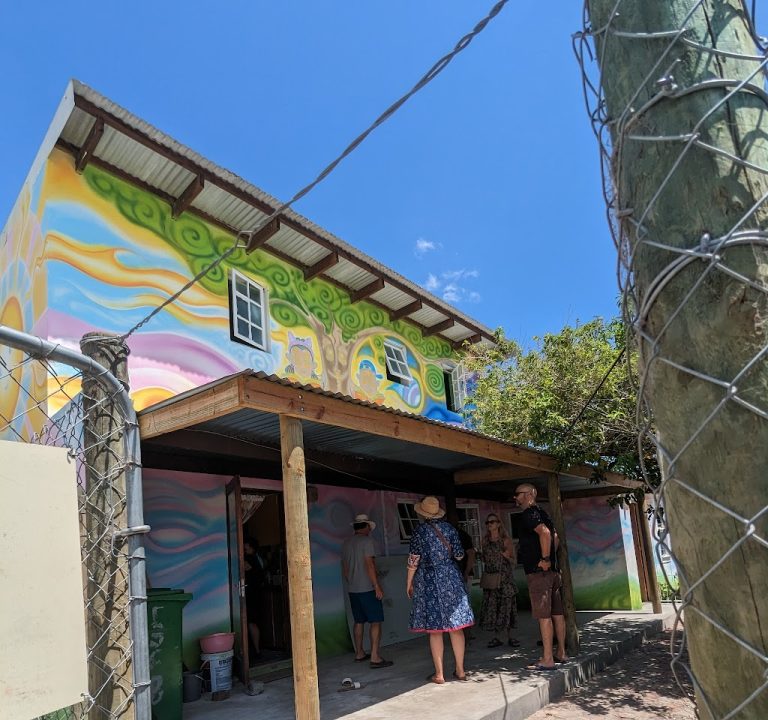
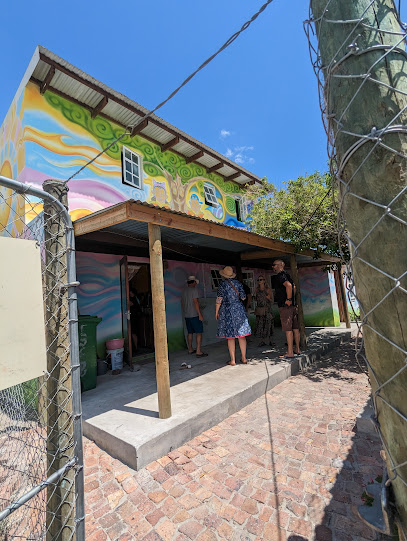
The Learning Tree is a Education centers establishment in Stanford, Western Cape, South Africa
Stanford
Western Cape
7210
South Africa
Curriculum
The Learning Tree, located in Stanford, forms part of Creative Skills Factory’s broader educational offerings in the Western Cape. The curriculum is organised to support inclusive learning across age groups and settings, with a clear emphasis on holistic development that combines academic preparation with social, emotional and creative capabilities. The approach centres on structured support for learners, their families and educators, delivered through a blend of school-based activity and after-school programmes.
Programs are framed to strengthen early learning foundations and extend learning beyond the classroom. The Early Learning (ECD) Programme concentrates on school readiness and foundational skill development, delivered by a trained community-based ECD facilitation team under the guidance of an occupational therapist. The programme emphasises small-group interventions to nurture fine motor skills, cognitive development and social‑emotional growth, while aligning activities with the practical realities of local classrooms. The initiative also includes teacher workshops and parent/caregiver sessions designed to translate classroom strategies into home settings, supporting continuity of learning and development outside school hours.
Within the curriculum, additional strands focus on movement and sensory stimulation as vehicles for development. A Movement Booklet—published by David Krut Publishing—offers practical movement break resources for teachers and caregivers, illustrating how short, targeted activities can enhance engagement and attention during learning. This resource complements the programme’s emphasis on active, play-based approaches to skill acquisition and wellbeing.
The Learning Tree sits within Creative Skills Factory’s broader Extra Mural Programme, which expands learning through arts and culture, literacy and music, as well as drama, dance and storytelling. The Arts & Cultural Appreciation Programme integrates various cultural art forms to nurture creativity and expression among children and youth in under-resourced communities. The Music Programme traces the legacy of the penny whistle, with collaboration partners and mentors guiding learners in reading music, performing and ensemble work. Small group artist mentoring and arts-based outings form part of the enriching extras that accompany core learning, contributing to patience, collaboration and visual-spatial thinking.
An important facet of the curriculum at The Learning Tree is the after-school provision designed to support continued development beyond the school day. After-school sessions incorporate a range of creative modalities—music, poetry, arts and crafts, drama, movement and other expressive arts—to stimulate literacy, communication and imaginative thinking. The programme also emphasises personal development and confidence-building through regular practice, public performance opportunities and guided group activities. In this way, the after-school centre acts as a hub for inclusive participation and skill growth within a supportive community environment.
Professional support for learners extends beyond classroom activities. Occupational Therapy Services are provided through the broader Creative Skills Factory framework to share professional knowledge and resources, including training for ECD facilitators and empowerment of parents to support early development. In Stanford and surrounding communities, this integrated approach helps ensure that children receive coordinated, practical assistance that complements academic learning with lifelong skills and resilience.
As part of its commitment to accessibility and flexibility, the curriculum recognises the value of blended and community‑based delivery. The Learning Tree and its associated programmes are positioned to respond to local needs, with regular workshops for teachers and caregivers, in-school interventions, and after-school activities available in safe, nurturing environments. The organisation’s long-term aims include expanding outreach to reach more families and children, maintaining a learner-centred ethos that prioritises creativity, wellbeing and holistic growth.
Distinctive resources and partnerships underpin the curriculum. Collaboration with schools in the region enables ongoing school readiness activities and classroom support, while the Movement Booklet provides practical guidance for movement-based learning. Community partnerships enrich learning experiences—through arts, culture and music activities, as well as support for families and carers—bolstering the programme’s aim of empowering children and youth to become confident, capable individuals who can navigate challenges and contribute positively to their communities. Further information can be explored via the organisation’s programme pages and related blog updates.
- Early Learning (ECD) Programme
- Teacher Support & Workshops
- Parent & Caregiver Workshops
- Movement Booklet resource for movement breaks
- Extra Mural arts and cultural activities
- The Learning Tree After School Centre
- Occupational Therapy Services and staff development
Faculties and Branches
The Learning Tree functions as the after‑school centre and nerve centre for Creative Skills Factory’s activities in Stanford, Western Cape. Operated as part of the organisation’s broader framework, The Learning Tree serves as a central hub for inclusive arts and culture programming and Early Childhood Development (ECD) community initiatives in the Overstrand region. The centre is officially registered with the Department of Social Development, underscoring its role as a formal consequence of Creative Skills Factory’s mission to support children and youth beyond normal classroom hours.
Within The Learning Tree, the organisation’s programmes connect directly to core service areas. The after‑school offering integrates arts and cultural activities with literacy and creative exploration, aligning with Creative Skills Factory’s Extra Mural Programme. This configuration enables learners to benefit from structured supervision, creative expression, and skills development in a single, consistent setting after the school day ends.
The site also acts as a practical node for teacher and caregiver engagement linked to the Early Learning (ECD) Programme. Although the ECD work spans multiple locations in the region, The Learning Tree operates as a key local venue where activities, workshops, and mentoring are delivered in partnership with schools and community facilitators. This arrangement supports the holistic approach emphasised by the organisation, combining movement, storytelling, and other expressive modalities with foundational literacy and social‑emotional development.
As part of the Stanford footprint, The Learning Tree collaborates with regional institutions to extend access to holistic education and cultural enrichment. The centre’s role as a hub reflects Creative Skills Factory’s emphasis on interconnected programmes, where after‑school engagement reinforces classroom learning and fosters centres of community learning. The Learning Tree thus represents both a physical branch and a programme‑delivery platform, enabling families to access sustained support within a stable, community‑driven environment.
The structure at Stanford mirrors the organisation’s broader strategy of deploying focused resources to under‑resourced communities. The Learning Tree is positioned to support not only after‑school activities but also inclusive arts and cultural experiences, aligning with initiatives such as Small Group Artist Mentoring, Arts & Cultural Outings, and community workshops that the wider organisation runs across the Overstrand region.
For prospective students and families, The Learning Tree provides a concrete point of contact within the Stanford area for accessing after‑school care, arts and culture programming, and allied services designed to bolster literacy, creativity, and social development. Information about shifts in programming, partnerships, or expansion plans is typically shared through the organisation’s programme pages and news updates, which highlight ongoing collaborations and opportunities for involvement.
Overall, The Learning Tree embodies the “faculties and branches” concept on the ground: a dedicated centre that channels Creative Skills Factory’s mission into a tangible, community‑based hub where after‑school, arts, and ECD services come together to support the growth and resilience of local children and youth. More details about related programmes and locations can be explored through the organisation’s programme pages and their project news sections.
Registration Details
The Learning Tree is the After School Centre operated by Creative Skills Factory NPC, located in Stanford, within the Western Cape. It forms a key hub for the organisation’s inclusive Arts and Cultural programme and ECD community work. The centre is officially registered with the Department of Social Development, confirming its standing within the local educational and care framework.
Registration and engagement with The Learning Tree follow the pathways outlined by Creative Skills Factory’s broader programmes. Prospective participants, parents, caregivers, or schools seeking collaboration can begin by making contact through the organisation’s central channels. The emphasis is on accessibility, community involvement, and a welcoming environment for children aged 5 to 13 years who participate in after-school activities, arts and culture sessions, and related supports.
Typical routes to learn more or initiate involvement include exploring the organisation’s general contact options and staying informed about programme updates. While exact registration steps, deadlines, or required documents are not itemised on the site, the emphasis remains on clear communication and partnerships with local schools and communities to facilitate access to services and activities offered by The Learning Tree and its associated programmes.
- How to engage or inquire: Use the main contact channel provided by Creative Skills Factory on the site to express interest, request information, or arrange a meeting to discuss participation for children at The Learning Tree.
- Programme alignment: Inquiries are welcome from parents, caregivers, and schools seeking collaboration or complementary activities aligned with Arts and Culture Education, Skills Development for Life, and Early Childhood Development aims.
- Location and community: The Learning Tree functions as the hub for inclusive educational activities in Stanford, supporting local families and learners in the Overberg region.
Where to apply or seek further information is best pursued via the organisation’s contact page, which aggregates access points for inquiries about programmes, workshops, and participation opportunities. The following site features provide direct routes to initiating contact and learning more about opportunities related to The Learning Tree and affiliated initiatives:
Contact Us – general contact and enquiry form for Creative Skills Factory and The Learning Tree.
Additional context about The Learning Tree can be gleaned from the organisation’s programme pages, which outline after-school and arts-based activities, alongside other services offered within the Overstrand region. Interested parties are encouraged to review the “Our Programmes” section for a sense of how The Learning Tree integrates with Early Learning, Extra Mural Programmes, and Occupational Therapy services available through Creative Skills Factory.
Support and involvement options are also highlighted through the organisation’s donation and community engagement channels, should there be an interest in sponsorship or partnership for the Learning Tree’s activities and broader mission. Visitors can explore the available information on the site to understand how community stakeholders can contribute to or benefit from this local educational initiative.
Sorry, no records were found. Please adjust your search criteria and try again.
Sorry, unable to load the Maps API.
Education and Resources in Stanford, Western Cape
Stanford, a town within the Western Cape province, sits within a broader regional landscape rich in educational provision. Learners and families can expect to encounter a mix of schools, further education options, higher education institutions nearby, and a range of training centres that support personal and academic development. The area typically offers access to public and private schooling, vocational pathways, and adult education programmes that emphasise practical outcomes alongside academic study.
Within the district, schools commonly cater for primary and secondary levels, with programmes designed to progress through standard national frameworks. Public schools may emphasise foundational literacy and numeracy, while secondary provisions frequently introduce subjects across humanities, sciences, and technical disciplines. Private schools and preparatory programmes are often available to families seeking additional options in exam preparation, arts, languages, and specialised subjects. Vocational orientation is increasingly integrated through career guidance and work-related learning components, helping pupils understand post-school choices.
Higher education and further study opportunities are typically concentrated in the wider Western Cape region. Nearby universities and colleges offer a spectrum of undergraduate and postgraduate studies, professional diplomas, and certificates. Coursework commonly spans disciplines such as business and management, health sciences, engineering and technology, education, the arts, and community development. For learners seeking practical experience, apprenticeship schemes and work-integrated learning are commonly available through selected institutions and partnerships with local employers.
Training centres in the area frequently provide short courses and specialised programmes aimed at upskilling for specific trades or sectors. These may include agricultural technologies, hospitality and catering, information technology, nature conservation, and language support. Short courses and evening classes can be particularly convenient for adult learners balancing study with family or work commitments. Community-based education and continuing education programmes are often advertised through municipal channels and local educational partners, increasing access for non-traditional learners.
Learning support and student services are integral components of the educational landscape. Learners may encounter libraries that house a range of academic texts, reference materials, and digital resources, alongside study spaces and quiet work areas. Access to computer laboratories and high-speed internet is a common feature, enabling research, online coursework, and skill-building. Many institutions also offer tutoring schemes, academic advising, language and literacy support, and disability services designed to assist learners in achieving their goals. Student wellbeing services, career guidance, and financial aid information are frequently available to help navigate studies and transitions into employment or further study.
Facilities reflect the diverse needs of learners. Laboratories for science and technology, practical workshops for vocational subjects, sports complexes, and arts spaces frequently form part of campus or campus-like environments. Accommodation options, where provided, vary by institution but may include on-site residences or partner accommodation arrangements nearby, aimed at creating a supportive living-learning community. Safe transport and flexible scheduling arrangements are features that support day students as well as those commuting from surrounding areas.
Typical pathways to progression usually begin with an understanding of admissions or registration timelines, followed by the preparation of required academic records and supporting documentation. Applicants can expect general guidance on available programmes, entry requirements, and benchmarking against local standards. Many institutions publish indicative timelines for application, assessment, and enrolment, helping learners plan the transition from school to further study or training. Financial planning, scholarship options, and eligibility criteria are commonly outlined to assist families in making informed choices.
Key resources at a glance
- Schools offering primary and secondary education with core subject streams and extra-curricular opportunities.
- Further education colleges and vocational centres with certificate and diploma programmes.
- Universities and higher education providers offering undergraduate and postgraduate studies.
- Training centres delivering short courses, workshops, and skills-based programmes.
- Libraries, computer labs, science and language laboratories, and multi-purpose learning spaces.
- Student services including academic support, career guidance, wellbeing, and disability services.
- Accommodation options and information on admissions, registration, and progression pathways.