
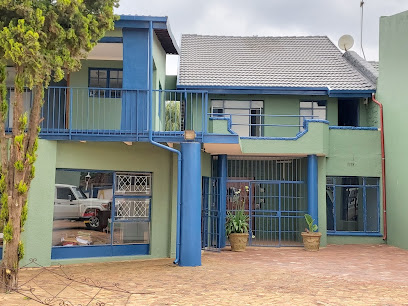
Ekurhuleni Agriculture college is a College of agriculture establishment in Benoni, Gauteng, South Africa
Benoni
Gauteng
Cloverdene, Benoni
South Africa
Curriculum
Situated in Benoni, Gauteng, Ekurhuleni Agriculture College delivers a practical, career-focused curriculum designed to equip aspiring farmers with foundational and progressively advanced competencies. The college offers a range of throughputs that align with national qualifications, enabling learners to progress from introductory levels to recognised trade and supervisory credentials within the agricultural sector.
The curriculum encompasses several core strands, notably Animal Production, Plant Production, Mixed Farming, and Mechanisation. Each pathway is structured to provide theoretical grounding alongside hands-on experience, emphasising real-world application within farm settings and campus-based facilities. The offerings are presented as National Certificate qualifications spanning NQF 1 to NQF 4 in appropriate areas, enabling learners to pursue sequential progression and enhanced employability across agricultural operations.
Animal Production forms a cornerstone of the college’s programme mix. This pathway introduces learners to the essentials of animal care, husbandry, nutrition, welfare, and management practices that are foundational to livestock operations. Plant Production focuses on crop production systems, soil stewardship, pest and disease management, and the optimisation of planting and harvesting activities. Mixed Farming combines elements of animal and crop production, promoting an integrated farming approach that mirrors contemporary small‑holder and commercial farming realities. Mechanisation, alternatively titled Agricultural Equipment Service and Repair, addresses the operation, maintenance, and repair of farming machinery and equipment, a practical skill set increasingly vital to efficient farm management.
Curriculum delivery is described as practical-based, ensuring that learners gain concrete insights into farming operations. The emphasis on practical learning supports skill mastery in a controlled campus environment while enabling the application of knowledge within real farm contexts. The college likewise recognises the value of mentorship and incubation, with programmes and projects designed to nurture entrepreneurial thinking and practical problem-solving among students.
Beyond the main certificates, the college offers short courses designed to fit busy schedules, including opportunities during mentorship periods and targeted sessions for employed individuals. These short courses provide contemporary, focused training aligned with current industry needs, enabling participants to upgrade competencies without committing to lengthy full‑time study. The availability of short courses demonstrates a flexible approach to skills development, supplementing formal qualifications with targeted, bite-sized learning.
In terms of delivery modes, the college has publicly highlighted blended and online learning options as part of its evolving teaching landscape. While specific course-by-course details are not itemised, the inclusion of online components indicates an intention to widen access and accommodate diverse learner circumstances alongside traditional on-site instruction. This blended approach supports continuity of learning through varying external commitments and enhances the college’s capacity to reach a broader cohort of students.
Support for students extends into multiple dimensions. The campus provides accommodation facilities, including shared and single rooms, and meals prepared on site, creating a conducive living–learning environment. Extracurricular offerings are also featured, with regular excursions designed to broaden horizons and reinforce classroom learning through experiential education. Entrepreneurial skills development is prioritised, aiming to cultivate leadership, initiative, and enterprise acumen alongside technical competencies. These features collectively position the college as a holistic learning community that supports academic achievement, practical proficiency, and personal development.
Distinctive learning resources and campus advantages include facilities that support practical training and daily campus life. The institution highlights a dedicated learning environment with access to a gym, swimming pool, cafeteria, and a fresh products shop, which together contribute to a vibrant campus culture and a supportive study atmosphere. Practical-based classes are underscored as a defining attribute, reinforcing the college’s commitment to applied education and industry readiness.
For prospective learners researching curriculum options, the college’s presence alongside its accreditation—awarded by Agricla and related endorsement—indicates a recognised pathway for gaining practical qualifications in agriculture. Details on entry requirements and specific fee structures are not provided here, but further information is accessible via the college’s primary website, including sections on short courses, accommodation, and ongoing projects and career development resources.
Overall, Ekurhuleni Agriculture College presents a curriculum designed to deliver tangible farming competencies through a blend of formal qualifications, practical training, and supportive student services. The integrated approach—combining animal, plant, mixed farming, and mechanisation, with opportunities for short courses and entrepreneurial development—takes a holistic view of agricultural education suitable for students aiming to enter or advance within the farming sector.
Further details are available at the college’s website: Ekurhuleni Agricultural College.
Faculties and Branches
Ekurhuleni Agricultural College in Benoni, Gauteng operates with a programme-focused structure designed to support practical, industry-relevant learning. While formal faculty names are not specified on the site, the college presents a clear set of specialised areas, or “departments,” centred on core farming disciplines and related skills. These areas guide the delivery of training, mentorship and incubation within the college’s framework.
The primary instructional threads highlighted are Animal Production, Plant Production, Mixed Farming, and Mechanization. Each area is associated with National Certificates at multiple levels (NQF 1–4 for some streams), reflecting a progression that enables learners to gain qualifications across foundational and intermediate stages. These programmes are described as practical-based, offering learners hands-on experience aligned with real farming operations. More information about each programme can be accessed through the dedicated course pages.
- Animal Production – National Certificate in Animal Production (NQF 1–4).
- Plant Production – National Certificate in Plant Production (NQF 1–4).
- Mixed Farming – National Certificate in Mixed Farming Systems (NQF 1–2).
- Mechanization – National Certificate in Agricultural Equipment Service and Repair (mechanisation).
The college emphasises a learning environment that extends beyond classrooms. Facilities cited include accommodation on campus, a gym, swimming pool, a cafeteria and a fresh products shop, all designed to support student wellbeing and practical learning. These amenities are described as integral to the student experience, alongside practical-based classes that aim to provide meaningful insights into the world of farming.
In addition to formal courses, the college highlights opportunities related to mentorship and entrepreneurship. Short courses are available and are described as being designed to fit busy schedules, with a focus on mentorship periods and practical applicability. The overall approach reflects an ecosystem that bridges theory, practical application and business readiness, guided by structured training programmes and partnerships within agriculture.
Where relevant, the college links its instructional strands to broader student services and experiences, such as regular excursions and the potential for entrepreneurial skill development. These activities are presented as part of a holistic educational journey, contributing to the development of leadership and practical competencies in agricultural settings.
For prospective students and interested parties, further information about programmes and related services can be explored on the college’s website at Ekurhuleni Agricultural College. The site provides access to course details, accommodation information, and additional features that support learning and personal development in the context of South Africa’s agricultural sector.
Registration Details
The Ekurhuleni Agricultural College in Benoni, Gauteng, presents a practical, hands-on approach to agricultural training. Prospective students can explore a range of pathways, including short courses and full programmes, designed to build practical skills through mentor support and real-world application. The college emphasises practical-based learning and offers facilities that support a rewarding campus experience.
Registration and application for entry typically begin by engaging with the college’s online resources. An overview of available options can be accessed through the main site sections dedicated to short courses, future farmers programmes, and core subject areas. The college communicates opportunities through accessible online pages, allowing prospective learners to identify suitable routes and get started.
For initial inquiries or to express interest, there is an online enquiry channel. This provides a direct route to obtain information about admission requirements, available courses, and next steps. The enquiry page is a clear starting point for anyone seeking guidance before applying or registering for a course.
Available study pathways include:
- Short courses designed to fit busy schedules, with information and application routes visible on the dedicated short courses page. These pathways offer introductory and targeted training aligned with practical agricultural skills.
- Longer programmes aligned with National Qualifications Framework (NQF) levels such as Animal Production, Plant Production, Mixed Farming, and Agricultural Equipment Service and Repair. Each programme page outlines the general focus and progression available within that field.
Where to apply and how to begin the process are reflected in the site’s linked sections. Prospective learners can start by visiting:
Details such as eligibility and required documents are not explicitly listed on the public pages provided. As a result, the information encourages prospective applicants to use the Enquiry channel or the listed course pages to obtain the most accurate and up-to-date guidance on entry requirements, documentation, and the registration process. The college’s emphasis remains on mentored, practical training and a campus environment that supports learning and development.
For further guidance and to initiate the registration journey, interested individuals should consult the Enquiry page or explore the course sections that align with their interests. The college’s online presence also highlights accommodation and campus facilities, underscoring a holistic approach to student life and education.
Sorry, no records were found. Please adjust your search criteria and try again.
Sorry, unable to load the Maps API.
Education and Educational Resources in Benoni, Gauteng
Benoni, situated on the East Rand of Gauteng, offers a diverse tapestry of learning environments suited to pupils, learners and adults pursuing further study or skills-based training. The area is characterised by a mix of public and private schooling, feeder programmes for further education, and access to higher education institutions within a reasonable commute. Families and learners typically encounter a practical balance of traditional school routes alongside modern pathways designed to support a range of aspirations and learning styles.
Within Benoni itself and neighbouring towns, residents can expect a spectrum of institutions that provide education from early years through secondary school and beyond. Public schools commonly follow the national curriculum and offer matriculation preparation, while private schools may present enhanced pastoral support, small class sizes, and additional enrichment activities. For learners seeking vocational or technical routes, there are training centres and further education options that emphasise practical skills in trades such as engineering, information technology, business administration and hospitality. These settings often partner with local industry to ensure that classroom learning aligns with workplace demands.
Higher education and advanced study are within reach through universities and colleges that maintain campuses or study hubs in and around Gauteng. Prospective students typically explore programmes in arts and humanities, sciences, business and technology, with the chance to pursue diplomas, certificates or bachelor degrees. Where distance or time constraints play a role, mixed-mode or part-time study options frequently exist to accommodate work and family responsibilities. Admissions processes generally rely on standard academic records, recognised qualifications and, where applicable, language proficiency requirements similar to those seen elsewhere in the country.
Learning support services are a common feature across many institutions in the area. Learners may access academic tutoring, study-skills coaching and language assistance, particularly for those whose first language is not English. Counselling and welfare services help students navigate transitions, manage workloads and maintain well-being. Disability support provisions are often available to facilitate accessibility, including adapted learning materials and reasonable adjustments during assessments. Libraries, with both print and digital resources, provide study spaces, quiet zones and group rooms to support independent study and collaborative projects.
Facilities typically extend beyond classrooms. Laboratories for science and engineering, computer laboratories with up-to-date software, and media suites are common components of the learning infrastructure. Sports and recreation facilities, including fields, courts and fitness spaces, contribute to a holistic student experience. In some instances, on-campus accommodation or approved live‑in options are offered to students attending courses that require relocation, while many learners opt for local housing with commuter options available nearby.
Typical pathways for learners in Benoni involve sequential progression through schooling, followed by examination or assessment-led routes into further education or higher education. Registration and admissions processes usually require standard documentation, the submission of prior academic records, and, where appropriate, the completion of entrance assessments or portfolio reviews. Educational guidance resources, career planning services and information sessions are often accessible through schools and institutions to support informed decision-making about subject choices, career directions and funding possibilities.
For those seeking additional information about the education landscape in Benoni and Gauteng, several official resources provide guidance on policy frameworks, curriculum standards and support services. Visitors may consult the Department of Basic Education, local government portals and university‑level information centres to understand entry requirements, course options and application timelines.