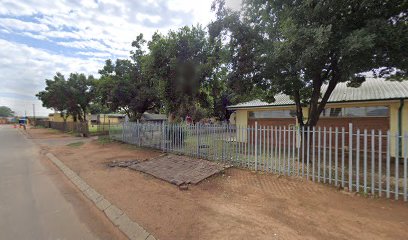
Tholulwazi skills and development centre is a Colleges establishment in Heidelberg – GP, Gauteng, South Africa
Heidelberg - GP
Gauteng
Ratanda, Heidelberg - GP
South Africa
Sorry, no records were found. Please adjust your search criteria and try again.
Sorry, unable to load the Maps API.
Education and Resources in Heidelberg, Gauteng
Heidelberg in Gauteng offers a varied landscape of educational opportunities suited to learners at different stages. The town sits within a network of schools, further education centres, higher education institutions, and training facilities that support diverse aims—from primary and secondary schooling to vocational training and academic study. For families and students alike, the area provides a range of pathways that can be explored in a practical, step-by-step manner.
Within the local and regional framework, learners can typically access a spectrum of institutions. Primary and secondary schools in the broader Gauteng region emphasise core academic subjects alongside curricular enrichment such as arts, physical education, and languages. In addition, schools commonly offer learner support services, including counselling, study skills guidance, and basic special educational needs provisions where appropriate. Post-primary options often include vocational programmes, senior certificate or college streams, and preparation for university entry where applicable.
Higher education and further training are supported by colleges and universities within reasonable reach of Heidelberg. These institutions commonly provide a mix of undergraduate and postgraduate study, diploma programmes, and short courses focused on practical and professional outcomes. Where available, articulation routes enable progression from a diploma to degree programmes, reflecting common European and international credit systems. For prospective entrants, general guidance tends to emphasise understanding programme aims, duration, and the availability of support services rather than detailing specific admissions requirements in this overview.
Learning support and student services feature prominently in many local and regional offerings. It is typical to encounter academic tutoring, study skills workshops, language support for non-native speakers, and advisory services for course planning and progression. Student wellbeing services, including mental health resources, financial guidance, and accommodation advice, may be accessible through public providers or partner organisations. Inclusive education practices often underpin teaching approaches, with reasonable adjustments available in many settings to assist learners with diverse needs.
Library and learning resources form a central part of the educational landscape. Public and campus libraries commonly provide access to borrowing, study spaces, computer terminals, and digital databases. Modern facilities may include quiet study zones, group work rooms, and access to academic journals or e-books. Laboratories for science, engineering, and technology-focused study are frequently supported by dedicated spaces for experimentation, safe practice, and practical demonstrations. In addition, technological resources such as computer labs and reliable Wi-Fi support independent study and group projects.
Facilities and accommodation often extend beyond classroom environments. Sport and recreation facilities—such as gymnasia, playing fields, and courts—contribute to a balanced student experience alongside clubs and societies. Where relevant, student accommodation or endorsed housing options may be available in proximity to campuses, with guidance on application processes and eligibility typically offered through institutions or local authorities.
Typical pathways begin with understanding admission or enrolment routes at the chosen institution, followed by the preparation of required documents and the submission of applications within published timelines. Registrations usually involve course selection, fee arrangements, and an introduction to library and student services. For families and learners, a pragmatic approach focuses on identifying suitable programmes, confirming progression opportunities, and planning for support services across the learning journey.
- Types of learning environments: schools, colleges, universities, and vocational training centres
- Common programmes: broad-range qualifications across secondary, tertiary, and professional training levels
- Support services: academic tutoring, language support, counselling, and progression guidance
- Facilities: libraries, laboratories, learning spaces, sports and recreation, living arrangements where applicable
- Pathways: admissions, enrolment, course selection, and progression opportunities
For those seeking further information, general resources from national and provincial education authorities can offer guidance on system structure, eligibility, and timelines. The Heidelberg area thus presents a practical framework for learners and families to plan education and development across several stages, with a focus on accessible resources and clear progression dynamics.