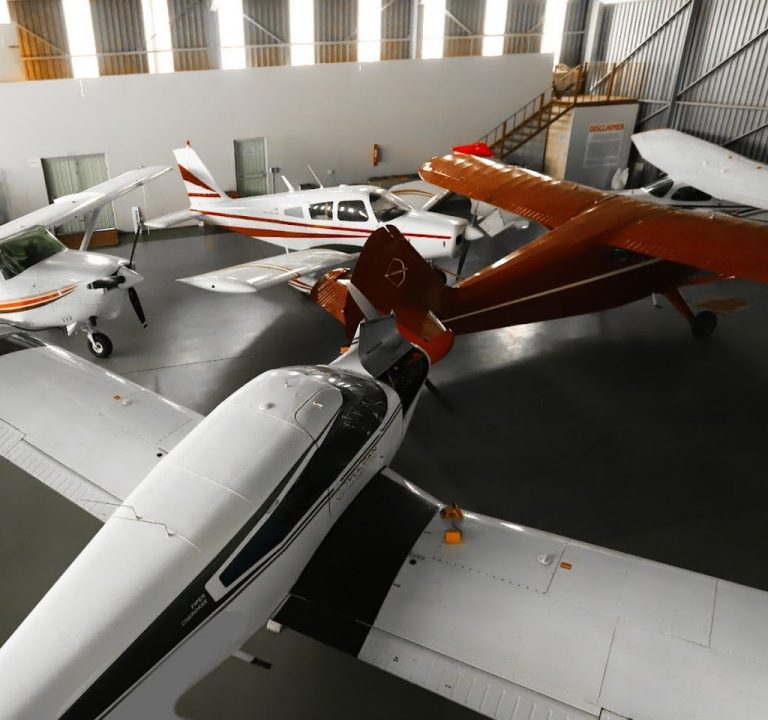
Bird Aviation is a Aviation training institute establishment in Lanseria, Gauteng, South Africa
Lanseria
Gauteng
Lanseria
South Africa
Curriculum
Bird Aviation’s curriculum in Lanseria, Gauteng, South Africa is presented through a structured progression designed to develop competent pilots equipped for contemporary aviation. While the programme profile may be customised to suit individual career aims, it centres on a clear trajectory from foundational competencies to advanced, professionally recognised qualifications. The curriculum emphasises both theoretical understanding and hands-on flight training, ensuring students gain practical proficiency alongside a solid grounding in aviation theory.
Programme levels generally follow a staged path that mirrors industry standards. Beginning with core knowledge and flight fundamentals, learners progress through progressively demanding tasks, building confidence and skill in a controlled learning environment. The approach aligns with established aviation training frameworks, enabling a smooth transition from basic piloting concepts to more complex operations. This progression supports pilots pursuing a wide range of careers, from general aviation to airline preparation, by confirming core capabilities before introducing higher levels of responsibility.
The curriculum is designed to balance classroom instruction with practical flight training. Theoretical modules cover essential topics such as air legislation, navigation, meteorology, human factors, aerodynamics, and aircraft systems. Complementing these areas, practical sessions focus on cockpit procedures, radio communication, flight planning, emergency procedures, and decision-making under pressure. Through this blend of theory and practice, learners develop an integrated understanding of flight operations and the judgement required for safe, efficient aviation performance.
As part of the curriculum, instruction is delivered through a combination of supervised flight training and simulated environments. Practical experience is gained under the supervision of qualified instructors, enabling learners to apply theory in real-world flight situations. This dual approach fosters confidence, spatial awareness, and procedural discipline, while enabling timely feedback and refinement of technique. The framework is designed to produce pilots who are not only technically competent but also capable of critical thinking and effective teamwork in dynamic aviation contexts.
Short courses and professional training options form an important component of the offering. These condensed programmes may address specific competencies or regulatory requirements, allowing learners to acquire targeted skills or update knowledge between broader qualifications. Short courses are typically task-focused, designed to augment core training with practical skills that enhance employability and readiness for industry certification. Where applicable, these modules integrate with the broader curriculum to ensure coherence with longer-form qualifications.
Blended and flexible learning options are considered within the programme design. While in-person flight training remains central to competency development, there is recognition of the value of supplementary learning modalities. Where available, online or self-paced components support theory development, preparation for flight sessions, and ongoing revision between practical sessions. Learners can thus structure study in alignment with personal circumstances without compromising the integrity of the training pathway.
Student support services and resources are highlighted as part of the curriculum framework. Access to guidance on progression, study planning, and welfare provisions helps learners navigate the demanding nature of pilot training. There is an emphasis on ensuring accommodation and transport considerations are addressed, particularly for students relocating to attend training programmes. This holistic approach promotes retention, well-being, and continuity of learning, contributing to a successful training experience.
Distinctive resources referenced in the curriculum include structured progression through recognised pilot training milestones. The programme aims to align with industry expectations by preparing learners for official qualifications and licencing pathways. While exact course titles, durations, fees, and entry requirements are not specified here, the emphasis remains on delivering a coherent, industry-aligned learning journey that equips graduates with the competencies sought by aviation employers.
In addition to core flight training, the curriculum may incorporate modules or sessions addressing professional development, safety culture, and operational best practices. Such components reinforce responsible aviation behaviour, situational awareness, and decision-making under pressure—attributes that are essential for long-term success in aviation careers. The overall curricular design reflects an intent to produce well-rounded pilots who can perform effectively within diverse aviation environments.
For more information on programme structure and milestones, prospective learners and stakeholders can explore the institution’s general information and related training offerings through the organisation’s official online presence. The curriculum is supported by practical facilities, instructional staff, and logistical arrangements aimed at delivering a comprehensive, industry-relevant education in pilot training.
Faculties and Branches
Situated within the broader aviation landscape of South Africa, the organisation featured presents a structured model combining practical flight operations with formal pilot training. As observed, the entity operates primarily in two interconnected strands: providing private, customised air transportation services and delivering a recognised flight training programme. This dual focus shapes how different divisions align with learner progression and client needs, illustrating how aviation education can be paired with professional industry exposure.
Within the educational component, the site outlines a dedicated Pilot Training stream. This segment encompasses a blend of classroom instruction and hands-on flight experience, designed to cultivate the competencies required for various licensing milestones. The training pathway is described as spanning from foundational Private Pilot’s Licence (PPL) qualifications through to an Airline Transport Pilot’s Licence (ATPL), accompanied by shorter, supplementary courses intended to enhance specific skills and knowledge. Such a structure positions pilot training as a central faculty or school within the organisation, coordinating both theoretical study and practical flight instruction to support student progression.
Adjacent to the core training offerings, the site highlights the Accommodation & Transport provision associated with pilot training. This element recognises the practical realities facing student pilots who may need to relocate or commute to attend programmes. The described accommodation package includes essential services such as cleaning and Wi-Fi, together with transport arrangements to and from the training facility. In a higher-education context, this is typically viewed as student services that enable sustained engagement with the curriculum and uninterrupted access to training activities, thereby contributing to student wellbeing and success.
On the operational side, the organisation maintains an air charter and cargo service alongside its training activities. This broader activity set demonstrates how the aviation enterprise integrates learner-focused education with real-world industry operations. The charter function is portrayed as providing flexible, private transport for business, luxury, medical, and cargo needs, underscoring the practical relevance of the curricula to contemporary aviation practice. From an educational perspective, exposure to such operations can offer students insights into industry standards, safety protocols, and client-facing service, enriching the overall learning experience.
The site also features profiles of personnel and governance elements, which can influence how programmes and services are delivered. While specific branch locations beyond a national scope are not itemised on the page, the materials suggests a cohesive organisation with distinct training and operational units. This implies a potential, if unspecified, network of facilities and centres that could align with programme delivery and student support services. For prospective students and partners, such an arrangement typically means closer collaboration between instructors, operations staff, and industry clients, fostering practical learning opportunities and professional pathways.
In summation, the content indicates a bifurcated structure: a recognised Flight Training Faculty responsible for progression from PPL to ATPL, paired with an Accommodation & Transport support framework. The accompanying aviation services—private charter and cargo operations—provide authentic industry context for learners. For more information on the services and training options described, interested readers may visit the organisation’s official site: Safe Fly Express.
Registration Details
Registration overview
Bird Aviation, located in Lanseria, Gauteng, South Africa, operates within the broader aviation sector that offers private charter and pilot training programmes. Prospective applicants are directed to follow the general pathways used by aviation training providers to register for courses, with information and guidance typically available through the provider’s official site. In this instance, the relevant aviation training content and contact options can be found via the provider’s online presence, which outlines training routes and support services for aspiring pilots.
Where to apply
Applications and detailed registration information are typically published on the official training provider’s website. For pilot training programmes similar to those described in the related aviation content, applicants can visit the provider’s site to initiate enquiries or apply. View the programme information and registration pathways here: Safe Fly Express.
Registration process overview
The available content indicates a focus on comprehensive pilot training that combines classroom instruction with practical flight training, spanning licences from Private Pilot’s Licence (PPL) to Airline Transport Pilot’s Licence (ATPL). While specific step‑by‑step registration details (forms, deadlines, or submission methods) are not provided, prospective trainees should expect a process that includes obtaining information about offered courses, confirming programme eligibility, and contacting the provider for formal registration guidance and next steps. Support materials and assistance are described as part of the training experience, including accommodation and transport arrangements where relevant to the student’s plan.
Eligibility and entry requirements
Exact entry requirements are not stated in the provided material. The referenced training scope ranges from PPL to ATPL, which implies standard aviation training prerequisites such as age, medical fitness, and language proficiency are typically considered by providers. For Bird Aviation, applicants should consult the official training provider’s guidance to confirm any specific eligibility criteria applicable to the chosen course or licence track.
Documents typically required
The supplied content does not list specific documents for registration. Generally, aviation training programmes may request proof of identity, a medical certificate suitable for flying, and prior education details. Since no exact document requirements are specified here, applicants should rely on the official registration guidance provided by the hosting provider when applying.
Contact and support channels
The materials note that prospective students should seek information by contacting the provider for further details. While explicit contact methods are not shown in the extract, the primary link to the provider’s site is available for further information and direct enquiries: Safe Fly Express.
Sorry, no records were found. Please adjust your search criteria and try again.
Sorry, unable to load the Maps API.
Education and Resources in Lanseria, Gauteng
Lanseria, a neighbourhood situated to the north-west of Johannesburg, sits within a broader Gauteng region renowned for its diverse educational landscape. The area typically offers access to a mix of primary and secondary schools, further education colleges, private training centres, and opportunities linked to nearby universities and specialised institutions. Learners and families may encounter a spectrum of learning environments designed to suit varied interests, abilities, and career aspirations.
Across schools serving different age groups, core curricula often emphasise literacy, numeracy, and the sciences, alongside arts, physical education, and elective subjects. In many instances, schools adopt supportive approaches aimed at addressing diverse learning needs, with base facilities intended to foster a stimulating classroom atmosphere. Parents and carers frequently seek schools that provide clear progression routes from foundational education through to higher levels, including matriculation or equivalent qualifications.
Further education options in and around Lanseria commonly include publicly funded and private colleges offering vocational programmes, technical courses, and pre-university preparation. These institutions tend to emphasise practical skills aligned with local industry demands, ranging from information technology and engineering related studies to hospitality, business studies, health sciences, and creative disciplines. Flexible study arrangements—such as part-time, evening, and block-release courses—often support learners balancing commitments with education.
Higher education pathways, while not concentrated within Lanseria itself, are accessible through a network of universities and distance-learning providers in Gauteng. Prospective students may encounter programmes at diploma, undergraduate, and postgraduate levels, with options to specialise in fields linked to commerce, science, engineering, education, and the arts. Articulation and progression routes frequently exist between colleges and universities, enabling credit transfers and accelerated studies where available.
Learning support services are commonly available to assist students throughout their educational journey. These can include academic tutoring, study skills programmes, language support for learners for whom English or other primary languages are not first languages, and counselling services focused on personal development, career guidance, and mental well-being. Institutions may also offer accessibility provisions, assisting learners with disabilities to participate fully in classroom activities and practical sessions.
Facilities and resources commonly observed in the Lanseria area include libraries or resource centres with book collections, periodicals, and digital databases. Science laboratories, computer suites, and workshop spaces support practical learning across disciplines. Sports and recreation facilities, such as playing fields, courts, gyms, and fitness spaces, contribute to holistic development and wellness. Some campuses may provide on-site accommodation or residential blocks for students, while others coordinate with nearby housing options to support longer-term study commitments.
Typical admission or registration processes in this region require submission of essential documents, verification of prior qualifications, and alignment with programme-specific entry requirements. Many institutions provide guidance on selection of courses, application timelines, and necessary assessments through centralised portals or information hubs. While exact requirements vary by provider and course level, a common focus remains on confirming suitability for the chosen path, availability of spaces, and the ability to meet any qualification prerequisites.
For families exploring educational opportunities near Lanseria, practical considerations often include proximity to home, transport options, and access to studying while maintaining daily routines. The area is linked to broader Gauteng networks, enabling learners to access a range of institutions and services within a reasonable travelling distance. Prospective students are encouraged to review official institution pages and current prospectuses for the latest information on programmes, facilities, and admission procedures.
More information about education and resources in Lanseria can be found through local council resources, regional education authorities, and university or college websites that outline available programmes, support services, and campus facilities for prospective learners and their families.