
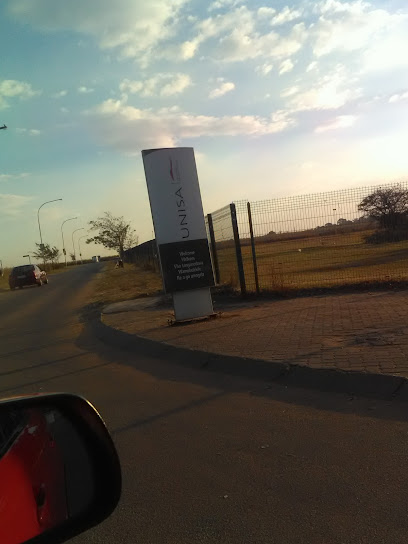
Unisa Daveyton Campus is a Academic departments establishment in Benoni, Gauteng, South Africa
Benoni
Gauteng
1507
South Africa
Curriculum
Unisa Daveyton Campus operates within the framework of Unisa, the foremost open distance learning (ODL) institution in Africa. The curriculum across programmes emphasises flexible access to higher education through distance study, enabling students to balance academic commitments with personal and professional responsibilities. The campus environment complements this model by aligning locally with student support, online resources and a broad spectrum of qualifications that span undergraduate, honours, masters and doctoral level study.
The curriculum at Unisa Daveyton Campus centres on the wide range of qualifications available through the university’s extensive catalogue. Prospective students are encouraged to explore the “Find a qualification” and “Browse all qualifications” resources on the main Unisa website to identify suitable programmes. This approach reflects Unisa’s posture as a large-scale provider of open distance education, designed to accommodate diverse entry points, from entry-level certificates to advanced research degrees.
Areas of study associated with Unisa’s ten catalytic niche areas and linked subject clusters inform much of the curriculum design, with interdisciplinary avenues that reflect contemporary needs in education, science, technology and society. While the Daveyton Campus does not publish course lists in this overview, the emphasis remains on offering study options across disciplines such as marine studies, aviation and aeronautical studies, automotive studies, energy studies, biotechnological studies, health/pharmaceutical studies and related fields. These areas illustrate the campus’s alignment with industry relevance and regional development priorities, while remaining faithful to Unisa’s open adoption of qualifications that span theory and applied practice.
Curriculum delivery through Unisa is characterised by openness to distance learners. Programmes employ a blend of study materials, online platforms and tutor support to create a coherent learning journey. Students access learning resources via Unisa’s online infrastructure, with the assurance of structured modules, assessments and feedback designed to support progression across levels. The emphasis on curriculum integrity across distance modes ensures that learners develop disciplinary knowledge, critical thinking and practical competencies suitable for further study or professional advancement.
In keeping with the university’s global and local reach, the curriculum also accommodates short courses and professional training opportunities. While specific short courses are not itemised in this overview, the presence of continuing education and capacity-building offerings aligns with Unisa’s aim to extend access to upskilling and introductory studies. These options are particularly relevant for working professionals seeking to complement formal qualifications with targeted, practitioner-focused learning that can enhance employment prospects or support career transitions.
Blended and online elements form an integral part of the curriculum delivery model. The Open Distance Learning framework enables flexible study, enabling learners to engage with course materials at times that suit personal schedules, while still benefiting from structured guidance, academic support and peer interaction. The campus environment emphasises student support structures, which may include academic advising, flexible assessment arrangements where appropriate, and access to resources designed to promote student success in a distance education context.
Distinctive learning resources supported by Unisa—incorporating digital libraries, online study guides, and modular learning materials—play a central role in the curriculum. The integration of these resources promotes independent study, self-discipline and time management, which are essential competencies for distance learners. For those seeking additional support, the university’s network of student services and co-curricular activities provides opportunities to build academic and personal skills alongside formal study.
For current and prospective students, the training and curriculum strategy is complemented by regular announcements and updates on the Unisa site. Information about registration, new programmes, and any changes to qualifications is published through Unisa’s news and announcements sections, ensuring that learners remain informed about the evolving academic landscape. The Daveyton Campus, while part of the broader Unisa system, benefits from these university-wide resources and the overarching commitment to accessible, high-quality education.
In summary, the Curriculum at Unisa Daveyton Campus reflects a commitment to open access, flexible study models and industry-relevant learning. It combines accredited programmes across multiple levels with short courses and professional development options, underpinned by robust online and tutor-supported delivery. Interested individuals should consult the main Unisa site to explore qualifications and delivery modes, and to access current guidance on entry requirements, fees and programme durations as published by the university.
Further information can be found at the official Unisa website: www.unisa.ac.za.
Faculties and Branches
Unisa operates as Africa’s largest open distance learning institution, delivering programmes through a multi-faculty structure and a network of centres that support students across South Africa and abroad. While specific details for the Daveyton Campus in Benoni are not exhaustively itemised on the institution’s central site, the university’s model emphasises broad academic divisions, with programmes aligning to recognised colleges and catalytic niche areas. The campus landscape includes faculties, schools or departments administered within the overarching college framework, and dedicated centres that facilitate learner support, assessment, and external partnerships.
Within the Unisa framework, faculties and associated schools or departments are designed to organise qualifications and learning pathways across disciplines. The university’s online-facing navigation points to major college sectors such as those within Science, Engineering & Technology and Economic & Management Sciences, among others, as well as areas linked to Law and Humanities. This structure supports a wide spectrum of distance-learning programmes, ensuring that student services, library access, registration, and support offices are able to operate in concert with the relevant faculties and disciplines.
For prospective students and staff at the Daveyton Branch, the campus sits within Gauteng and is part of the broader Unisa network that integrates programme design with distance-learning delivery. The site highlights a catalogue of catalytic niche areas that illustrate the university’s research and teaching priorities, suggesting potential alignment between degree offerings and strategic areas of focus. Although the specific departments located at the Daveyton Campus are not itemised here, the general framework indicates an emphasis on linking academic divisions with practical support services and industry partnerships where applicable.
Relevant pathways and information can be accessed via the university’s main portal, which provides overviews of qualifications, college-level grouping, and announcements related to academic offerings and campus activities. Students at Unisa campuses and centres typically benefit from coordinated services including registration guidance, student support, and access to resources that span digital and on-site learning environments.
For more detailed information about faculties, schools, departments, and campus-centre structures, as well as the relationship between programmes and student services, visitors are encouraged to consult the university’s official site and the relevant college and centre pages. The Daveyton Campus in Benoni may offer programmes or support aligned with a particular set of faculties; however, the central site emphasises a university-wide architecture that integrates teaching, research, and engaged scholarship across its divisions. Further details can be explored via Unisa’s main pages at www.unisa.ac.za.
- Marine studies
- Aviation and aeronautical studies
- Automotive studies
- Energy studies
- Space studies and the Square Kilometre Array
- Fourth Industrial Revolution and digitalisation
- Biotechnological studies
- Health/Pharmaceutical studies
- Feminist/Womanist/Bosadi theorisations
- Student support and co-curricular activities
Website visitors seeking more granular detail about the Daveyton Campus offerings, such as specific faculties or programme implications, should refer to the official Unisa site and the campus directory when available. The site remains the primary resource for authoritative information on qualifications, campus services, and academic structures.
Registration Details
Unisa Daveyton Campus, situated in Benoni, Gauteng, forms part of a national open distance learning framework designed to provide flexible access to higher education across South Africa. The university emphasises broad access and continuous development for prospective students, including those who may be balancing study with work or other commitments. The campus site for Unisa in Daveyton is part of a wider institutional system that offers a wide range of qualifications through distance education, with support structures aimed at assisting learners through the registration and study journey.
Key information about the registration period for the upcoming academic year is communicated centrally by the university. In the latest public announcements, registration for the 2026 academic year is noted to open on 7 January 2026. This date marks the start of the official process for new and returning students to enrol in programmes offered by Unisa. Prospective applicants are advised to monitor official channels for any updates or changes to this timetable, as registration windows and required actions may vary by programme and campus. The announcements page is a primary source for the most current details about when to register, what steps are involved, and any campus-specific considerations that may apply to Unisa Daveyton Campus.
For those seeking the right qualification, the university provides a central resource to “Find a qualification,” through which prospective students can browse the full range of programmes on offer. While the specific steps and deadlines are not itemised in the available public content, consulting this resource is presented as a first step to identify suitable study options before engaging with the registration process. The university’s general approach highlights the open distance learning model, which supports learners across diverse circumstances, with registration information and guidance disseminated through official university channels.
As with many large institutions offering open distance learning, the registration process is supported by a communications framework that directs applicants to the latest published information. In this regard, the Announcements section of the university’s site serves as a primary portal for updates, reminders, and any clarifications related to registration, fees, payment methods, and deadlines. Visitors are encouraged to review announcements regularly, particularly as the opening date approaches or when there are changes to the academic calendar. The Announcements page can be accessed here: Announcements.
Where to apply and how to begin the process is framed by the university’s overall registration communications. While the provided public content does not specify campus-specific application forms or required documents, the emphasis remains on consulting official announcements and the central qualifications directory to determine appropriate programmes and the exact registration steps. The Daveyton Campus is part of the Unisa network, and information distributed through the main site applies to campus-level registration as well.
For those seeking further guidance, the university’s general resources—including the option to browse qualifications and the central announcements—are the most reliable starting points. The broader Unisa environment remains the authoritative source for current registration requirements, deadlines, and procedures, with campus-level support channels aligned to those overarching guidelines.
Sorry, no records were found. Please adjust your search criteria and try again.
Sorry, unable to load the Maps API.
Education and Resources in Benoni, Gauteng
Benoni, located in Gauteng, offers a diverse landscape of educational opportunities suitable for learners at different stages. The town supports a network of primary and secondary schools that follow national and provincial curricula, alongside independent and specialised programmes. Families can expect a mix of well-established institutions and newer schools that emphasise student-centred learning, critical thinking, and practical skills. While school calendars vary, most institutions provide clear progression routes from early education through to matriculation or equivalent qualifications.
Beyond compulsory schooling, Benoni and its surrounding regions host several vocational and further education options. Technical colleges and dedicated training centres commonly offer short‑ to medium‑length programmes in areas such as information technology, business studies, health care basics, engineering trades, and early childhood development. These options are designed to equip learners with practical competencies and recognised certificates that can lead directly to employment or further study. For those seeking higher education pathways, access to campuses within a reasonable travelling distance provides opportunities to pursue diplomas, bachelor’s degrees, or professional qualifications through nearby universities or provincial institutions.
Learning support and student services form a notable feature of educational life in Benoni. Many facilities provide additional language or numeracy assistance, guidance counselling, study skills workshops, and programmes for learners with special educational needs. Schools and colleges typically offer career guidance, access arrangements, and support for transition between levels of study. Where available, student services also address housing needs, transport information, and safety planning to help families plan ahead.
Facilities and resources commonly encountered across Benoni’s educational offerings include well stocked libraries with quiet study zones, computer suites or digital labs, science and engineering laboratories, and practical workshops. Sporting and recreational facilities frequently accompany learning spaces, with courts, fields, and gym access supporting a balanced curriculum. Accommodation options, including campus housing or approved student hostels in the wider Gauteng region, may be relevant for learners who relocate to pursue specific programmes. In addition, many institutions provide value‑added resources such as online learning portals, career centres, and access to industry partners for work‑integrated learning.
Typical pathways through the education system in and around Benoni begin with enrolment in a primary or secondary school, followed by progression to senior phases or matriculation programmes. For those interested in further study, the next stages often involve selecting a college or university pathway, applying through standard admissions processes, and presenting the required documents or assessments. Guidance from school or college counsellors can help learners explore subject choices aligned to anticipated career goals, while information sessions and open days provide insight into campus life, facilities, and support services. Prospective students are generally advised to plan ahead regarding deadlines for registration, selection of programmes, and transitional arrangements between schools, colleges, and higher education institutions.
For further information, locals and visitors can explore official education portals and regional pages that highlight school calendars, programme offerings, and access to resources across Benoni and the broader Gauteng area. Visitors may also consult leading South African education sites for broader context on national qualifications and accreditation standards.
- Libraries and learning centres offering quiet study spaces and borrowing services
- Science, technology, engineering and mathematics facilities in schools and colleges
- Career guidance and counselling services
- Sports, arts and cultural programmes to complement academic study
- Campus accommodation and approved student housing options
Web resources and local authority pages can provide access to programme outlines, registration timelines, and policy information. Examples include national and provincial education portals, as well as institution‑level information pages when available.
In summary, Benoni offers a broad spectrum of educational paths supported by robust facilities and services designed to assist learners and families in navigating school, vocational training, and higher education. The emphasis across the area remains on accessible learning, practical preparation for work, and clear routes toward further study or employment.