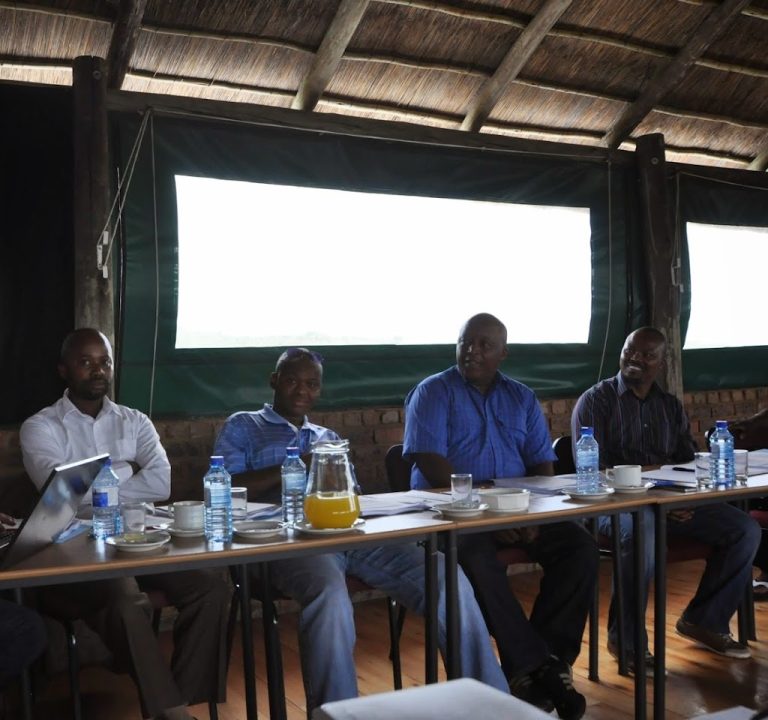

IMAC Services is a Training centres establishment in Welkom, Free State, South Africa
Welkom
Free State
Naudeville, Welkom
South Africa
Sorry, no records were found. Please adjust your search criteria and try again.
Sorry, unable to load the Maps API.
Education and Resources in Welkom, Free State
Welkom, located in the Free State of South Africa, offers a diverse range of educational opportunities spanning primary and secondary schooling, tertiary study, vocational training, and continuing education. The town serves as a hub for families seeking accessible learning options, complemented by a network of institutions that cater to different interests, abilities, and career aims.
Across the area, learners can encounter a spectrum of schools, including government-run primary and secondary campuses, parallel-medium and language-diverse options, and independent or faith-based establishments. These schools typically provide core curricula aligned with national standards, with additional programmes such as physical education, arts and culture, science clubs, and mathematics support. In many cases, schools collaborate with district authorities to implement learner support plans designed to enhance attendance, readiness for exams, and progression to further study or training.
For post-secondary education, Welkom hosts or is connected to institutions offering diploma and certificate programmes, higher certificates, and bridging or preparation courses. Vocational training centres frequently emphasise practical Skills Training, including information technology, hospitality, trades, and business administration. While specific campuses vary, the emphasis remains on equipping learners with market-relevant competencies, industry-recognised qualifications, and pathways toward apprenticeships or employment.
University access in the wider region is supported through nearby campuses and distance-learning options. Prospective students commonly explore degree programmes in fields such as science, engineering, humanities, and business studies, with admissions processes typically outlining registration periods, required prior qualifications, and language proficiency considerations. Rural and urban learners alike benefit from flexible learning paths that balance on-site study with online resources where available.
Learning support services play a central role in Welkom’s educational ecosystem. Learners may access academic tutoring, reading and writing support, numeracy programmes, and study skills workshops at schools, libraries, and community centres. Guidance counsellors or student support staff are often available to assist with career information, subject selection, and personal development. Specialised support for learners with disabilities or learning differences is also commonly offered, including adapted materials or assistive technologies where appropriate.
Facilities and resources commonly found in Welkom include well-equipped libraries with study areas, science and computer laboratories, and dedicated spaces for arts, drama, and physical education. Sports facilities may include indoor courts, outdoor pitches, and fitness centres associated with schools or colleges. Accommodation options are more frequently found within larger institutions or nearby towns, supporting longer courses or block intakes, with advisors guiding prospective students through housing and living arrangements.
Typical pathways for students involve an initial phase of information gathering, followed by application and registration within the respective institution’s intake windows. Families and learners often consult national and provincial portals for key timelines, admission requirements, and fee structures. Where applicable, there are bridging routes for learners transitioning from secondary education to vocational streams or higher education, ensuring a smoother progression between levels of study.
Overall, the Welkom region provides a practical blend of formal schooling, tertiary access points, and community-based learning resources. The emphasis across institutions is on supporting lifelong learning, guiding learners toward qualifications that match local opportunities, and fostering an informed base for sustained personal and professional development.
- Schools offering diverse curricula and learner support services
- Tertiary colleges and training centres with diploma and certificate programmes
- University access through nearby campuses and distance-learning options
- Libraries, laboratories, and well-equipped learning spaces
- Career guidance, admissions information, and bridging opportunities
Further information can be obtained through official education portals and local authorities that outline current programmes, registration dates, and available support services. More details may be found at national education resources and regional education offices via official websites.