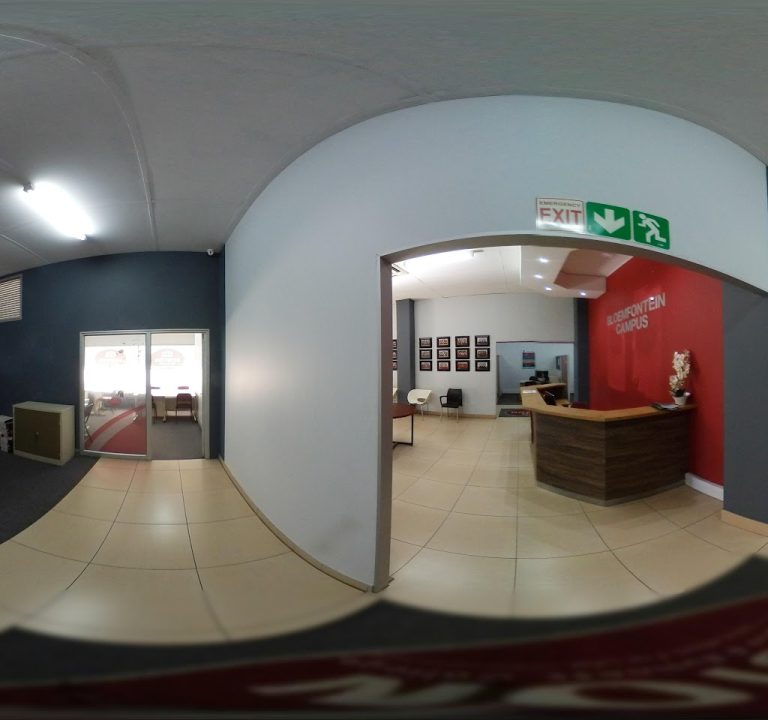
Boston City Campus – Bloemfontein is a Educational institutions establishment in Bloemfontein, Free State, South Africa
Bloemfontein
Free State
9301
South Africa
Curriculum
Boston City Campus – Bloemfontein offers a broad spectrum of higher education programmes that span from short learning programmes to postgraduate diplomas, degrees, and professional credentials. The curriculum is designed to be accessible to a diverse range of learners, with options that recognise workplace relevance and practical application alongside theoretical foundations. The institution emphasises nationally and internationally recognised qualifications, aimed at enabling learners to defy constraints and progress in their chosen fields.
Curricula are organised around key fields of study which reflect the institution’s governance and areas of strength. Notable faculties include Accounting & Financial Services; Advertising, Communication & PR; Business Management & Leadership, Marketing, Administration & Service; Hospitality, Events & Tourism; Information Communications Technologies; Law & Human Resources; Lifestyle & Digital Music; Personal Development, Digital Learning Badges & Occasional Studies; and Social Science, Health & Sports. This structure supports both focused vocational training and more extensive academic pathways, with materials and assessment designed to align with industry expectations and regulatory standards where applicable.
Learning approaches centre on a blend of mode options and support structures. Short Learning Programmes are designed to meet immediate workplace needs or personal development goals and can function as a stepping stone to longer Boston qualifications; these are non-credit bearing but may provide access or advanced placement through Recognition of Prior Learning (RPL). Longer higher education programmes feature a progression from certificates and diplomas to degrees and postgraduate credentials, allowing students to build from foundational knowledge to specialised expertise. The curriculum therefore accommodates varying starting points, from school leavers to continuing professionals seeking upgrading or change of career direction.
Where online and blended learning are mentioned, the offerings are described as distance or flexible study modes, supplemented by Learner Support Centres. This arrangement supports learners who require remote access to study materials while also benefiting from on-site guidance, tutoring and consultation. The emphasis throughout is on practical application and workplace-readiness, with modules and learning outcomes framed to develop relevant competencies in communication, problem solving, digital literacy, and professional practice. In addition, the institution highlights learning resources that accompany study, including textbooks being included as part of selected programmes, and digital credentials or badges that recognise demonstrated competences in digital learning contexts.
Curriculum design for shorter courses often focuses on specific, job-ready skills. For example, the Call Centre Operator short course provides a compact, one-year or longer study pathway that covers Windows applications, word processing, spreadsheets, internet literacy, and customer service principles. Office Assistant short courses focus on essential office functions, PC operation, and practical software familiarity, delivered through distance learning with supported access at Learner Support Centres. These examples illustrate the programme architecture used to deliver concise, outcome-oriented learning that can lead to further study within the Boston framework or direct application in the workplace.
Across programmes, there is a clear emphasis on student support and employability. Services such as Student Advisor guidance, Graduate+ resources, and Graduate Support Services are highlighted as part of the student experience. The curriculum therefore is complemented by structured assistance designed to help learners navigate study pathways, access additional learning opportunities, and transition into employment or further study after graduation. Resources emphasise not only knowledge transfer but ongoing development, with a view to sustaining postgraduate progression and professional growth.
Distinctive learning resources cited by the provider include a commitment to textbooks inclusive of course materials, and an emphasis on digital learning credentials or badges as contemporary recognitions of achievement. The presence of international accreditation and the affiliation with a broader educational ecosystem suggests that some curricula are designed with external benchmarks in mind, contributing to credibility and transferability of qualifications. Distance delivery alongside learner support indicates flexibility in how curricula are accessed, while maintaining clear expectations for assessment and achievement.
For prospective learners and advisers, the curriculum is presented as a pathway to practical expertise and lifelong learning. The breadth of fields, the tiered structure of programmes, and the availability of short, non-credit bearing courses all contribute to a learning environment that supports immediate skills development, longer-term study, and professional advancement. Further information on specific courses, entry requirements, and fees can be accessed via the institution’s online prospectus and course literature at Boston City Campus’ main site: https://www.boston.ac.za/.
Faculties and Branches
Boston City Campus – Bloemfontein operates as part of a nationwide network offering a broad portfolio of higher education qualifications and short learning programmes. While the site presents a unified overview of disciplines and study pathways, explicit naming of faculties or branches specific to the Bloemfontein location is not clearly listed. The institution emphasises a structure built around fields of study that connect directly to programmes and student support services, providing a framework for both degree‑level qualifications and shorter, work‑relevant courses.
From the general perspective presented on the site, programmes are organised under several broad fields of study. These fields indicate the academic domains in which recognised credentials are offered and aligned with career pathways. Where the site mentions “Higher Education” alongside “Short Learning Programmes,” the implication is that both credit-bearing programmes and non‑credit courses operate within an integrated offering. This structure supports progression from foundational or vocational learning to more advanced qualifications, subject to entry requirements and appropriate credentials.
Specific fields of study listed on the site encompass a wide range of business, service, and technology areas. The following areas are identified as distinct fields of study, each containing modules or curricula designed to prepare learners for employment or further study:
- Accounting & Financial Services
- Advertising, Communication & PR
- Business Management & Leadership, Marketing, Administration & Service
- Hospitality, Events & Tourism
- Information Communications Technologies (ICT)
- Law & Human Resources
- Lifestyle & Digital Music
- Personal Development, Digital Learning Badges & Occasional Studies
- Social Science, Health & Sports
Within these fields, a variety of study options are described, ranging from postgraduate and degree‑level offerings to diplomas, certificates, and short courses. The presence of short learning programmes (SLPs) highlights a practical focus on immediate workplace skills and professional development, with some courses offering potential access or advanced placement through recognition of prior learning (RPL). The site also notes that certain programmes and short courses are available at multiple city sites, indicating a networked approach to access and learner support, even though Bloemfontein‑specific branch details are not enumerated in the publicly visible content.
Student services and guidance appear to be a core component of the Boston City Campus model. Tools and resources such as a Student Advisor, Graduate Support Services, and access to digital credentials and learning materials are referenced, underscoring an emphasis on guidance, progression, and employability alongside academic study. Prospective learners in Bloemfontein are encouraged to utilise the central online portal for applications, prospectuses, and information about pathways, while being mindful that the public site does not specify Bloemfontein‑only contact information or campus‑level contact details.
Overall, Boston City Campus presents a cohesive, nationwide structure that links fields of study to a spectrum of qualifications and learner supports. For those exploring Bloemfontein as a potential study site, the available information suggests alignment with the same nationally recognised qualifications and short courses described across the network, with access to learner services and pathways through the main site. Further details about Bloemfontein‑specific facilities, campus services, or in‑person offerings may be obtained through the institution’s online resources or by enquiry via the general application portal.
For more information about the programmes and fields of study, please visit the main site: Boston City Campus.
Registration Details
Boston City Campus in Bloemfontein, Free State, offers a range of higher education qualifications and short learning programmes designed to advance professional skills and career prospects. The registration process is framed around flexible entry options and distance-style study with learner support provided at designated centres. Prospective students should expect a streamlined pathway that emphasises accessibility, as well as pathways for progression into higher education programmes where applicable.
Registration and application approaches are clearly presented on the institution’s site. Interested individuals can initiate the process by selecting either an application or an enquiry, using the online options available on the official site. The primary action to begin the journey is the Apply/Enquire Now button, which directs applicants to the Boston City Campus application portal. This portal is available through the main website and is accessible from the Bloemfontein campus page as well as the broader Boston site.
The site highlights that Boston operates with two central modes of study: traditional higher education programmes and Short Learning Programmes (SLPs). Applications for SLPs, including distance-mode delivery supported by Learner Support Centres, can be submitted by selecting the Apply/Enquire Now option. Locations for Learner Support Centres are noted across the network, making registration feasible from various centres, including Bloemfontein where applicable.
Eligibility and entry requirements are described as open in certain Short Learning Programmes, meaning prospective learners may register with a range of prior qualifications. Where specific SLPs state Open Entry, no stringent pre-admission criteria are required beyond the stated qualification level. In instances where more detailed requirements exist for particular courses, those specifics are listed on the individual programme pages (for example, within the Short Learning Programme sections). It is advised to consult the relevant course page or the general Pay/Admissions resources for definitive criteria.
Documents typically required for registration are not exhaustively listed across the general registration materials. When pursuing particular programmes, applicants should consult the corresponding programme or entry details for any documentary requirements. The site emphasises the availability of online application processes and centre-based support, allowing prospective students to complete registrations via the portal or at a nearby Learner Support Centre.
For additional guidance, prospective students can access the institution’s Student Advisor resources. The Student Advisor page provides support information and may offer direct contact avenues for enquiries related to registration, programme choice, or progression options. While direct contact details such as telephone numbers or email addresses are not included here, the Apply/Enquire Now links and the Student Advisor resource page on the site are recommended starting points for registration-related queries.
Relevant links for applying or enquiring, and for exploring study options, include the following:
In summary, the Registration Details section outlines a generally flexible application pathway with open-entry options for many Short Learning Programmes, supported registration through online portals and Learner Support Centres, and accessible guidance via the institution’s advising resources. Prospective applicants are encouraged to begin with the Apply/Enquire Now option and consult the relevant course pages for any programme-specific requirements or progression opportunities.
Sorry, no records were found. Please adjust your search criteria and try again.
Sorry, unable to load the Maps API.
Education and Resources in Bloemfontein, Free State
Bloemfontein, the judicial capital of South Africa and a central hub within the Free State, hosts a diverse landscape of educational opportunities. The city accommodates a range of institutions that cater to learners at different stages, from primary and secondary schooling to higher education and specialised training. For families and individuals, the environment commonly presents a blend of traditional schooling, vocational pathways, and research-driven programmes within reachable communities and campuses.
Traditional schooling forms a strong foundation in Bloemfontein, with public, semi-private, and independent secondary institutions offering core subjects such as languages, mathematics, sciences, and the arts. These schools commonly provide a broad curriculum supported by facilities designed to foster digital literacy and practical learning. In addition to classroom instruction, learners may access extracurricular activities, including sport, music, debate, and clubs that build social and organisational skills. Parents often consider school networks that align with local syllabuses and assessment standards while offering safe, well-resourced environments.
In higher education, Bloemfontein houses universities and a spectrum of colleges that deliver undergraduate and postgraduate programmes, professional courses, and technical training. The city serves as a gateway for programmes in fields such as humanities, sciences, education, health sciences, engineering, and law, among others. Prospective students typically explore a range of study modes, including full-time campus-based study, part-time courses, and distance learning components supported by on-site facilities. Admissions processes commonly involve submission of academic records, eligibility checks, and progression through standard selection timelines managed by each institution.
Training centres and further education providers form a practical backbone for vocational pathways. These institutions often specialise in skills-based learning, offering programmes in information technology, business administration, hospitality, media, and trades. Certification is frequently aligned with industry recognised standards, with short courses and modular programmes designed to upskill entrants or support career transitions. Apprenticeship-style arrangements or collaboration with local employers may be a feature of several centres, helping students gain hands-on experience alongside theoretical instruction.
Learning support and student services are commonly embedded across Bloemfontein’s education sector. Libraries housed within campuses and public facilities provide access to academic texts, periodicals, and digital resources, while study spaces and quiet zones support independent research and exam preparation. Student counselling, academic advising, and career guidance services help learners navigate course choices, study strategies, financial planning, and future employment prospects. Language support, tutoring, and disability services are typically available to assist learners with diverse needs and enhance accessible learning.
Facilities and resources encourage a well-rounded student experience. Modern classrooms and laboratories enable practical experimentation in the sciences and engineering, while computer labs and maker spaces promote digital competencies and project-based learning. Sports facilities, fitness centres, and recreation spaces contribute to overall well-being and team development. Accommodation options near campuses, where available, provide housing solutions for regional and international students, balancing convenience with opportunities for cultural enrichment through community life.
Typical pathways for prospective learners involve initial information gathering, campus tours or open days, and the submission of application materials through institutional portals. Registration processes usually require verification of prior qualifications, currency of student documentation, and confirmation of programme choices. Financial planning, including scholarships or bursaries where eligible, often accompanies the registration phase. After acceptance, ongoing support services and clear communication channels assist students in navigating timetables, coursework, and assessment schedules.
For families and learners seeking further information, reputable sources include individual university and college websites, publicly funded education departments, and regional education networks. Visiting multiple campuses and consulting official guidance can help prospective students compare programmes, facilities, and pathways to higher study or skilled employment. Bloemfontein’s educational ecosystem aims to accommodate diverse learning objectives, enabling progression from school-level studies to advanced qualifications and practical vocations.
- Explore university and college locations within Bloemfontein for programme breadth and campus facilities.
- Investigate vocational training centres for skills-based qualifications and industry partnerships.
- Consult libraries and learning support services for study resources and academic coaching.
- Consider accommodation options and campus life experiences to support successful study periods.
More information can be found through the official websites of local institutions and regional education authorities, which provide up-to-date guidance on programmes, deadlines, and entry requirements.