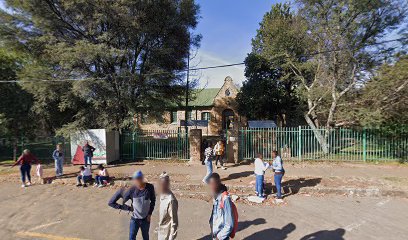
Maluti TVET Bethlehem Campus is a Colleges establishment in Bethlehem, Free State, South Africa
Bethlehem
Free State
9700
South Africa
Curriculum
Maluti TVET Bethlehem Campus forms part of Maluti TVET College’s network of multi‑site provision in the Free State. The curriculum emphasises practical, vocationally oriented learning designed to equip students with industry‑relevant skills alongside foundational knowledge. At the Bethlehem Campus, programmes are aligned with the National Qualifications Framework through the National Certificate (Vocational) offering, which is delivered at levels 2, 3 and 4. This structure enables learners to progress through a clear progression path from entry to more advanced qualification stages, preparing them for entry into a range of trades and technical fields upon completion.
As a component of a broader TVET offering, the campus presents a variety of vocational routes that emphasise hands‑on learning, work‑readiness, and the cultivation of practical competencies. The curriculum is designed to integrate theoretical instruction with applied exercises, enabling students to practise techniques, use industry standard tools, and develop problem‑solving skills within authentic settings. Although specific subject streams are not itemised in the available material, the NCV framework generally encompasses core technical modules alongside foundational subjects such as mathematics and science, aimed at reinforcing analytical thinking and numerical proficiency relevant to vocational contexts.
Curriculum delivery at the Bethlehem Campus is portrayed as part of a campus‑based academic environment that supports learners through structured timetables, assessments and progression opportunities within the national TVET sector. The programme design prioritises employability, with outcomes focused on preparing graduates to enter the workforce with demonstrable competencies that meet sector expectations. The college’s approach to curriculum development is positioned within a national framework that seeks to balance practical skill acquisition with essential academic literacy, enabling learners to articulate and apply their skills across real‑world situations.
Short courses and professional training are a potential element of the college’s broader offering, reflecting the TVET sector’s emphasis on modular, targeted training that can complement full‑time diploma‑equivalent qualifications. While precise short‑course details are not enumerated in the reference material, the curriculum framework at Maluti TVET College routinely accommodates responsive training opportunities designed to meet industry demand, enhance professional proficiency and support continuing education. Prospective students and partners are encouraged to consult college communications for the latest information on additional training initiatives, certificates or micro‑credential options that may be available through the Bethlehem Campus or the wider college network.
Online or blended learning options are not explicitly described in the available documentation for the Bethlehem Campus curriculum. The primary materials indicate a campus‑based delivery model within the Maluti TVET College system. However, given the college’s broader national context, inquiry with the campus or the central enrolment channels is recommended to verify current delivery modes, including any online components or blended pathways that may supplement on‑site learning.
Extracurricular and student support services are highlighted as part of the college’s commitment to student wellbeing and successful study. The institution emphasises the importance of social wellbeing alongside academic attainment and provides information about financial aid pathways as well as support structures designed to assist academically performing students facing financial need. These support services are intended to help learners sustain their studies, access learning resources and navigate the enrolment and progression processes. The Bethlehem Campus benefits from the college’s broader commitment to student success through accessible funding streams, guidance, and a supportive campus environment.
Distinctive learning resources are referenced in the broader Maluti TVET College materials, including access to campus facilities, general academic support, and links to broader college information portals. While specific libraries, equipment, or digital resources are not itemised in the available content for the Bethlehem Campus, the college’s national status and network suggest the presence of standard TVET infrastructure across campuses, designed to support practical training, assessment readiness and career preparation. For those seeking further detail on curriculum specifics, pathways, and any new resources or partnerships particular to the Bethlehem Campus, the college’s official programmes page and campus‑level communications provide the most current guidance.
Overall, the Curriculum at Maluti TVET Bethlehem Campus centres on structured vocational qualifications within the NCV framework, reinforced by a campus‑based learning environment, practical proficiency development, and supportive services aimed at enabling successful learner progression. Interested individuals are advised to explore the college’s main Programmes page and contact the campus for the latest information on available programmes, delivery modes and support options.
Faculties and Branches
Maluti TVET College operates as a multi-site technical and vocational education and training provider in the Free State, with its Corporate Office located in Bethlehem and a Central Office in Phuthaditjhaba, at the foot of the Maluti Mountains. The Bethlehem campus functions within this broader network, contributing to the college’s regional reach while aligning with the organisation’s overall governance and strategic framework. The campus structure supports a range of state-subsidised programmes delivered across several sites, ensuring access to practical, career-oriented training for students in the North Eastern Free State.
In terms of academic offerings, the college emphasises National Certificate (Vocational) programmes, which are presented at multiple levels on the National Qualifications Framework. The NCV framework provides pathways at levels 2, 3 and 4, designed to equip learners with vocational classroom learning and hands-on skills aligned to industry needs. While specific faculties or schools are not itemised on the publicly available material, the programmes are structured to support progression within the vocational stream, enabling students to pursue practical qualifications relevant to the job market.
The Bethlehem campus, as part of the Maluti TVET College network, participates in the college’s wider approach to programme delivery, student support and collaborative partnerships. The institution recognises the importance of accessible student services to complement academic study, including designated support for enrolment, financial aid and related administration. The college’s financial aid unit and NSFAS-related information indicate a framework designed to assist academically capable students who require financial assistance, reinforcing the commitment to widening participation and enhancing retention and success across campuses.
Students at Maluti TVET College may explore a network of campuses and centres through the college’s central portal. The “Find a campus” feature provides a way to locate nearby sites within the Maluti TVET College family, reflecting the organisation’s multi-site structure and its aim to offer flexible access to programmes and student services across the region. The Bethlehem Campus therefore sits within a connected system, where learners may engage with a consistent set of academic standards, administrative processes and support services, regardless of the site attended.
For prospective and current students, the college’s broader information resources outline how programmes relate to student services. Admissions and enrolment processes, financial aid options, and academic information are designed to be coherent across campuses, ensuring clarity about where programmes are delivered and how students access essential services. While specific departmental names or detailed facet divisions are not itemised in the publicly available content, the overall structure presents a cohesive framework in which faculties or schools (as far as the material indicates) operate within a multi-campus system, with Bethlehem as a key node in the network.
Further information about campuses, programmes and student support can be found through the college’s online presence, including the main site and the dedicated pages for campuses and enrolment. The site also provides links to annual reports and performance documentation, illustrating the college’s ongoing commitment to transparency and continuous improvement across its regional footprint.
- Overview of Maluti TVET College’s multi-site organisation and campus network: Bethlehem Corporate Office, Central Office in Phuthaditjhaba, and additional campuses across the region.
- Programmes: National Certificate (Vocational) at levels 2–4, within a vocational curriculum framework.
- Student services: enrolment support, financial aid options, and NSFAS information, aimed at facilitating access and success across campuses.
- Campus navigation: online resources to locate campuses and explore available courses and services.
Website: Maluti TVET College
Registration Details
Maluti TVET College offers enrolment options across its campuses, including the Bethlehem Campus in Bethlehem, Free State. Prospective students are encouraged to begin the enrolment process to secure a place in the relevant National Certificate (Vocational) programmes and related offerings. The college provides information on enrolment pathways and enrolment satisfaction through its online channels, helping applicants understand the steps involved and the support available during the process.
Overview of the enrolment process is presented through the college’s general enrolment materials. While specific registration deadlines and fee details are not published in this section, the college directs prospective learners to its main enrolment information and contact points for clarity on requirements, timelines and required documentation. Observers can expect guidance on how to initiate registration, what to prepare and where to apply within the official channels.
Where to apply or access enrolment information can be found on the Maluti TVET College website. Key entry points include the dedicated pages for new registrations and enrolment details, as well as the campus locator to identify Bethlehem Campus options. Applicants should consult these pages for the latest instructions and to begin the application sequence. Relevant links are provided below for convenience and transparency:
In addition to the online registration pathways, the college provides access to further information about enrolment via the “Student Enrolment Satisfaction Survey” and related governance documents, which may assist prospective students in understanding the experience and expectations of the enrolment process. These resources, while not required as part of the initial application, offer context for the registration journey and campus services.
For those seeking financial assistance during enrolment, information about NSFAS and financial aid is available through the college’s financial aid sections. While specific application steps or deadlines are not listed here, the college encourages applicants to review the financial aid pages and contact the appropriate campus services for guidance on eligibility and support options.
Notes regarding contact or support channels emphasise the availability of campus-based assistance. Prospective learners should utilise the official website links to reach the Bethlehem Campus pathways, obtain clarification on eligibility, and follow the posted processes to complete registration. It is advised to verify all information directly on the Maluti TVET College site prior to taking any action.
Overall, the Registration Details section directs applicants to the college’s online registration portals and campus information hub, with emphasis on starting the enrolment journey through the provided links and campus contacts. The Bethlehem Campus remains part of a broader network of programmes and enrolment services offered by Maluti TVET College.
Sorry, no records were found. Please adjust your search criteria and try again.
Sorry, unable to load the Maps API.
Education and Educational Resources in Bethlehem, Free State
Bethlehem, a town in the Free State province, offers a range of educational opportunities for learners and families. The area accommodates a variety of institutions at different levels, from primary and secondary schools to further education and training providers, all Czeching towards broad access to learning and personal development. While the specific institutions vary, the footprint commonly includes settings dedicated to academic learning, technical skills, and post-school preparation.
Types of institutions typically found in and around Bethlehem include:
- Public and independent primary and secondary schools that deliver national curricula and assessment frameworks, with a focus on core literacy and numeracy, sciences, languages, and the arts.
- Further Education and Training (FET) or Technical and Vocational Education and Training (TVET) centres offering practical programmes aimed at certifi cates, diplomas, and workplace-ready skills in areas such as engineering, information technology, business services, and hospitality.
- Higher education and research gateways within the broader region, providing opportunities to pursue undergraduate and postgraduate studies, subject to local access arrangements and recognised accreditation.
- Additional training centres and community programmes that emphasise skills development, vocational workshops, and preparatory courses for higher learning or employment.
Typical programmes and levels span a broad spectrum. At the school level, learners encounter preparatory through senior phases including subjects spanning languages, mathematics, sciences, social studies, and the arts. TVET and similar centres emphasise applied disciplines and apprenticeship routes, offering certificates and diplomas aligned with industry standards. Higher education pathways cover bachelor’s degrees, diplomas, and specialised credentials, with progression routes to master’s level studies in related fields. Many programmes are designed to combine theoretical knowledge with practical components to support meaningful career readiness.
Learning support and student services are commonly available to help learners navigate their academic journeys. Services may include academic tutoring and mentoring, language and literacy support, guidance and counselling, inclusive education provisions, learning resource guidance, and assistance with study skills. Libraries and information resources form a core part of these environments, providing access to books, periodicals, digital resources, and quiet study spaces. Where relevant, information technology facilities, computer laboratories, and specialised learning aids support modern classroom practice and research.
Facilities and resources often influence the learning experience. Libraries, science laboratories, computer suites, workshops, and dedicated study zones support a broad range of subjects. Sport and recreation spaces, athletics tracks, and playing fields contribute to well-rounded development and health. Some institutions offer accommodation options or access to student housing networks, where appropriate, making it easier for learners from outside the immediate area to study. Community centres and partner organisations may also provide cultural and extracurricular activities that enrich the educational experience.
Typical pathways for admissions and registration follow general higher or further education procedures. This usually involves submitting an application or enrolment form, presenting prior qualifications or transcripts, meeting language requirements, and adhering to deadlines. Some programmes require entrance assessments or interviews to determine suitability. Financial planning and information about bursaries or scholarships are commonly available through institutions or regional education bodies, assisting families in navigating the costs associated with study. Guidance for learners and families typically emphasises planning across school leaving, further education, and higher education routes, enabling informed decisions about subject choices, career interests, and progression timelines.
Overall, Bethlehem and its surrounding area provide a supportive environment for education across multiple levels. The combination of schools, vocational centres, and higher learning opportunities, together with robust learning support and comprehensive facilities, helps learners to build solid foundations for further studies or direct entry into the workforce. Online portals and local information resources often offer up-to-date details on available programmes, registration windows, and campus facilities, enabling families to plan effectively for the educational journey ahead.