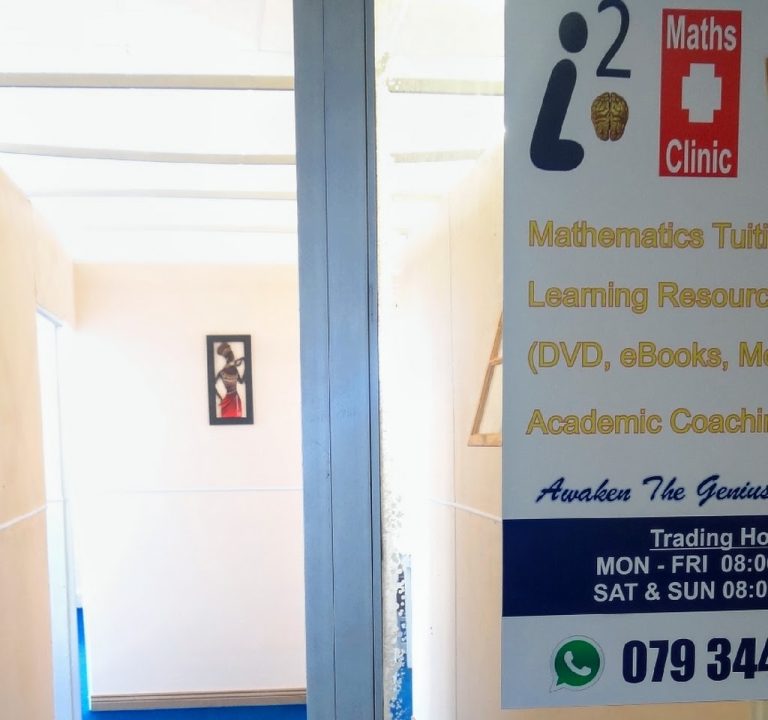

Maths Clinic SA is a Mathematics school establishment in Gqeberha, Eastern Cape, South Africa
Gqeberha
Eastern Cape
KwaMagxaki, Gqeberha
South Africa
Sorry, no records were found. Please adjust your search criteria and try again.
Sorry, unable to load the Maps API.
Education in Gqeberha: Resources for Learners and Families
Gqeberha, located in the Eastern Cape of South Africa, offers a broad panorama of educational opportunities for learners and families. The city hosts a mix of primary and secondary schools, further education and training centres, colleges, universities, and specialised training providers, all connected by a network of public and independent institutions. This landscape supports diverse pathways into higher study, vocational careers, and lifelong learning.
Secondary and primary education in Gqeberha typically centres on a comprehensive curriculum designed to prepare pupils for final exams, further study, or entry into the workforce. Schools often provide a range of enrichment activities, language support, and guidance services to assist learners in planning for post-school options. For families, the area offers options from public sector schools to independent and specialised institutions, with locations spread across urban and suburban districts to support convenient access.
Further education and training avenues include colleges and specialised training centres offering programmes aligned with local employment needs. Learners can encounter certificates, diplomas, and bridging courses that enable transition from school to work or to higher education. Many centres emphasise practical instruction, work-based placements, and industry partnerships to help learners gain applicable skills in fields such as engineering, information technology, health sciences, business studies, hospitality, and the arts. Programs are typically designed to accommodate varying entry points and schedules, including day and evening classes.
Universities and higher education institutions in the region provide a spectrum of undergraduate and postgraduate programmes. Common fields of study include sciences, engineering, humanities, social sciences, business, and education. Beyond degree programmes, campuses often host short courses, professional development programmes, and research opportunities. Prospective students are usually guided through a registration process that outlines admission requirements, credit transfer possibilities, and the availability of dedicated academic support services.
Learning support and student services form a central pillar of the educational ecosystem. Many institutions offer academic tutoring, study skills workshops, and language assistance to help students optimise performance. Counselling and mental health services, career guidance, and financial aid information are frequently available to assist learners in navigating the demands of study and planning for the future. Accessibility provisions, specialist equipment, and adaptive technologies are commonly provided to support learners with diverse needs.
Facilities and resources often enhance the learning environment. Libraries with extended opening hours are standard, frequently housing quiet study zones, computer labs, and access to online databases. Laboratories for science and engineering disciplines, practical workshops for vocational courses, and dedicated spaces for arts and media courses contribute to hands-on learning. Sports facilities, fitness centres, and intramural programmes offer opportunities for physical development and teamwork. Student accommodation, where available, provides on- and off-campus options to suit different budgets and preferences, sometimes including partnerships with providers to support safe and affordable housing near campuses.
Typical pathways range from achieving a solid school-leaving certificate to enrolling in further education programmes, followed by transfer to higher education or entry into the labour market. Admissions and registration procedures commonly require submitting academic records, completing application forms, and meeting any specified prerequisites. Some programmes enable applicants to apply directly through a central portal or through the individual institution’s admissions office. Guidance personnel and information sessions aid prospective students in comparing options, understanding funding opportunities, and planning a timeline for application and enrolment.
- Types of institutions: schools, colleges, universities, and specialised training centres
- Common programmes: school subjects, certificates, diplomas, and degrees across sciences, humanities, business, and vocational fields
- Learning support: tutoring, counselling, language assistance, and accessibility services
- Facilities: libraries, laboratories, sports and recreation facilities, accommodation
- Pathways: admissions, registration, credit transfer, and progression to higher education or employment
Overall, Gqeberha presents a versatile educational environment where learners and families can explore a variety of routes tailored to different interests, capabilities, and ambitions, with support systems in place to help navigate academic and career choices.