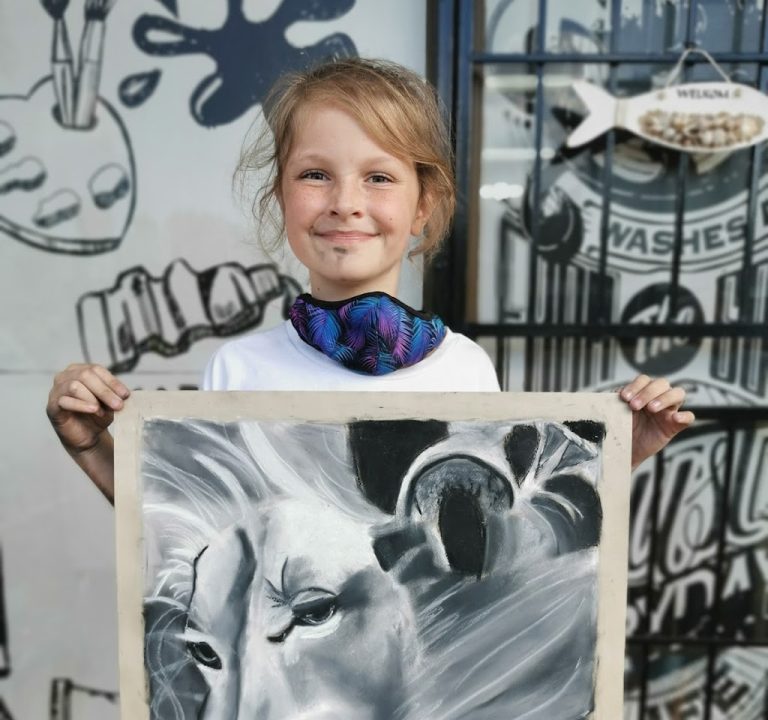
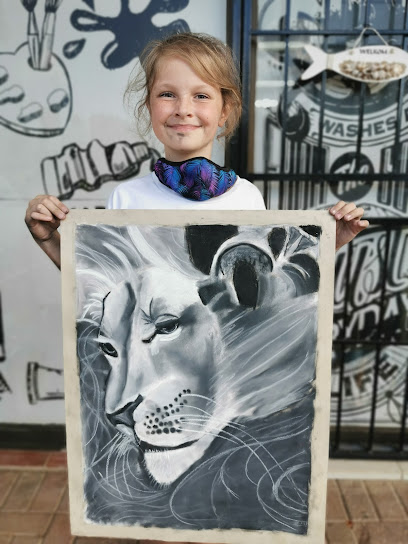
Art4Heart is a Art school establishment in Gansbaai, Western Cape, South Africa
Gansbaai
Western Cape
7220
South Africa
Curriculum
Art4Heart, based in Gansbaai, Western Cape, South Africa, presents a flexible and modern approach to art education and related creative disciplines. The organisation combines practical studio activities with broader explorations in art therapy, enabling learners to engage with creativity in diverse ways. The curriculum framework emphasises applying artistic practice to personal development, problem‑solving, and expressive communication, rather than merely acquiring technical skills in isolation.
Across its programmes and levels, Art4Heart places emphasis on accessible entry points for a wide range of learners. The offering includes online art classes and online art therapy courses, alongside hands‑on workshops and short courses. This blended model supports those who prefer remote learning or who wish to supplement in‑person experiences with digital resources. The materials and instruction are designed to be approachable for beginners while still offering depth for more experienced participants seeking to broaden their practice.
Areas of study span core art disciplines and allied creative practices. While exact course lists are not published in this overview, the programme footprint covers practical artmaking, creative exploration, and elements of therapeutic creativity. The curriculum is framed to foster experimentation, personal storytelling through visual media, and an understanding of how art can contribute to emotional and psychological well‑being. Learners can expect instruction that encourages both technical confidence and imaginative risk‑taking, with guidance tailored to individual goals and contexts.
In terms of curriculum approach, the emphasis rests on a holistic and exploratory pedagogy. Emphasis is placed on process as much as product, with opportunities to reflect on creative choices, experimentation with different media, and the development of a personal artistic voice. Instruction is informed by the organisation’s broader experience of curating art products, workshops, and evaluative discussions, which helps to connect studio practice with real‑world applications and audiences. The result is a learner‑centred environment where curiosity is valued and progress is demonstrated through ongoing practice rather than prescriptive outcomes.
Short courses and professional training are a notable facet of the curriculum, designed to provide concentrated learning experiences within manageable timeframes. These offerings enable participants to build specific competencies, explore particular themes, or gain new perspectives on art and creativity. While precise durations, fees, and entry requirements are not itemised here, the inclusion of short, focused modules suggests a practical route for continuing professional development, personal enrichment, or community engagement through art.
Online and blended options feature prominently in Art4Heart’s educational portfolio. The ability to participate remotely through online classes expands access beyond geographic constraints, allowing learners to engage with coursework, tutorials, and discussions at their convenience. Blended formats, combining online content with hands‑on in‑person sessions, may further enhance the learning experience by enabling direct experimentation with materials and real‑time feedback from instructors and peers.
Extracurricular and student support services are integral to the learning environment. The organisation emphasises a range of learning activities beyond formal instruction, including workshops that test new materials and products, and opportunities to engage with art‑related resources in a practical context. The accompanying shop and product range support learners by providing access to high‑quality tools and supplies, while the home‑based and community‑oriented setting encourages learners to apply what they have learned in meaningful ways. Readers can expect an atmosphere that values hands‑on engagement, curiosity, and practical application as complements to structured study.
Distinctive learning resources are rooted in Art4Heart’s own practical experience and product knowledge. The site highlights expert familiarity with a variety of art materials and tools, enabling informed guidance for purchasing decisions and experimenting with different techniques. Digital offerings, including e‑books, workshops, and therapy courses, contribute to a resource‑rich environment where learners can deepen their understanding of artmaking and its therapeutic potential without being tethered to a single modality.
Overall, the curriculum at Art4Heart presents a versatile, learner‑focussed ecosystem that supports diverse stages of artistic development. Whether engaging through online platforms, attending short courses, or participating in practical studios and workshops, learners can expect to cultivate creativity, acquire new skills, and explore how art intersecting with well‑being can enrich personal and community life.
For prospective participants seeking further information on specific offerings, durations, or access to online resources, additional details can be found on the Art4Heart website at art4heart.co.za.
Faculties and Branches
Art4Heart presents itself as a characterful South African art venture that combines education, therapy, and retail, rather than a conventional university with clearly defined faculties. In the available online content, no formal listing of faculties, schools, or departments is provided. Instead, the organisation is described through a coherent portfolio of offerings that collectively support artistic development and creative well‑being. This structure is best understood as an integrated, practice‑oriented platform rather than a traditional multi‑faculty campus.
What is stated is a spectrum of learning and engagement that encompasses online art and art‑therapy programmes, hands‑on workshops, and a curated shop for art supplies. The emphasis appears to be on accessible education and practical support for artists at various stages of their journey. The website highlights online classes and courses in art therapy, as well as downloadable or online learning resources, indicating an intention to reach participants beyond a single geographical location. In this sense, the “faculties” are effectively the categories of learning and service offered to students and clients—art courses, therapy courses, and creative workshops—delivered through digital platforms or in person where available.
Similarly, the content signals a substantial retail dimension through an Art4Heart shop, described as a resource for selecting brushes, paints, and related materials. This integration of shop and study space mirrors a practical approach to education, aligning material provision with instructional content. The presence of an art‑related product range and product testing notes on the site underlines a hands‑on learning ethos, where students and participants can trial products prior to purchase. In this sense, the shop functions as a complementary arm to the educational offerings, reinforcing the practical skills developed through the courses and workshops.
The site also references Artboard as the South African importer of a range of well‑known art brands, together with mentions of new products such as air pens and painting implements. While these references illuminate the kinds of resources that may feature in a student or participant’s experience, they do not constitute a separate faculty or campus entity. Rather, they illustrate the industry connections and product accessibility that support Art4Heart’s educational and therapeutic aims.
With regard to campuses or branches, the available material does not clearly state a dedicated Art4Heart campus in Gansbaai, Western Cape, or anywhere outside the described shop and online channels. A contact page on the site lists a Kempton Park address, suggesting a physical presence associated with the organisation, but no explicit branch or campus is identified for the Gansbaai location within the provided content. For prospective students or clients in Gansbaai or the Western Cape, this implies that participation may occur primarily through online delivery or at partner locations, subject to the organisation’s current arrangements.
In summary, Art4Heart operates through a cohesive suite of offerings—online art and art therapy courses, workshops, and a retail shop—rather than through a conventional faculty‑model or multiple campus branches. For those exploring programmes or student services, the focus remains on accessible digital education, practical artistic practice, and supportive resources, with the real‑world purchase and product testing elements reinforcing the learning journey. Further information about any regional branches or campus arrangements would be available through the site’s programme pages or direct enquiries via the official site.
Further details can be found at the Art4Heart website: Art4Heart.
Registration Details
Art4Heart, based in Gansbaai, Western Cape, South Africa, presents a range of online and practical learning opportunities, including online art and art therapy courses, workshops, and related programmes. For prospective participants, the registration path is not described as a single formal process on the site. Instead, interested individuals are guided to explore the available educational offerings directly through the site’s course and workshop pages.
The site offers dedicated sections for E-Books, Workshops & Courses, allowing potential entrants to discover digital books, hands-on sessions, and transformative programmes related to creativity and art therapy. Registration or enrolment for these offerings appears to be process-driven through the corresponding pages rather than through a single unified form published on the main site.
Where to apply is indicated by navigation to specific programme pages. For those seeking structured learning pathways, the following links provide entry points to relevant opportunities:
Visitors may also browse related pages that highlight courses and therapy programmes referenced within the site’s sections. While the exact steps, deadlines, or required documents for registration are not specified in the available content, engagement with the listed programme pages is encouraged to obtain current enrolment details, requirements, and any added instructions.
Support and contact avenues are provided through the site’s broader contact resources. The Contact page identifies the proprietor and a location in South Africa, offering a point of connection for inquiries about programmes and registration. Access to this resource is via the site’s main navigation or directly through the following reference:
For those interested in exploring what Art4Heart offers, the site’s content indicates a blend of online classes, art therapy courses, and workshops designed to trial new products and learning methods. Prospective participants are advised to review the individual course and workshop pages for the most accurate and up-to-date registration details, alongside any access requirements or prerequisites listed there.
Sorry, no records were found. Please adjust your search criteria and try again.
Sorry, unable to load the Maps API.
Education and Learning Resources in Gansbaai
Gansbaai, situated in the Western Cape, offers a range of educational options that serve local families as well as the wider community. The area supports learners from primary through to higher education levels, with pathways that reflect common South African schooling structures alongside regional training and further education opportunities. The emphasis in many local settings is on accessible, well-supported learning experiences that can suit diverse interests and career ambitions.
Within the locality, learners can typically expect access to primary and secondary schooling that aligns with national curricula, delivered through schools that emphasise fundamental literacy and numeracy, alongside subjects such as science, mathematics, languages, and social studies. High school programmes commonly prepare students for national examinations and offer a range of elective subjects to reflect individual strengths. For families seeking post-secondary options, the surrounding region generally features a spectrum of further education and training opportunities designed to bridge basic schooling with vocational and academic pathways.
Beyond traditional classrooms, a number of training centres and institutions provide structured programmes aimed at employability and practical skills. These can include short courses, diploma-level programmes, and recognised certifications in fields such as hospitality, tourism, business studies, information technology, and artisan trades. Programmes are often designed to be flexible, with options for daytime, evening, or weekend study to accommodate working learners and guardians supporting younger students.
Learning support and student services are commonly available to help learners navigate assessments, accommodation needs, transportation considerations, and study skills development. Where applicable, schools and training centres may offer or connect learners with tutoring support, guidance counselling, and assistive arrangements to promote inclusive participation. Local libraries and community hubs frequently provide study spaces, access to reference materials, and quiet areas for individual or small-group work, enhancing independent learning outside of formal hours.
Facilities across learning sites typically include well-equipped classrooms, science laboratories, computer suites, and practical workshops. Laboratories and technology resources enable hands-on exploration in sciences and digital disciplines, while sport, arts, and cultural facilities support holistic development alongside academic aims. Some institutions may also offer safe, supervised accommodation options for students from other towns or regions, as part of broader regional learning networks.
Admission and registration processes in the area tend to follow standard regional practices. Prospective learners are generally advised to consult the relevant education authorities or individual institutions for application timelines, required documents, and entry criteria. While exact requirements vary by programme, common steps include submitting an application, providing academic records, and meeting any language or placement prerequisites. Financial aid, bursaries, and local funding opportunities may be available through regional schemes or external organisations, subject to eligibility and application details.
For families and learners seeking further information, local educational providers and regional authorities often publish guidance online, including programme outlines, support services, and campus facilities. Engaging with these resources can help clarify pathways from secondary schooling to higher education, vocational training, or employment-focused qualifications. The surrounding Western Cape region also hosts various public and private partners that collaborate to enhance educational access, information sharing, and career guidance for residents of Gansbaai and neighbouring communities.
- Public and private schools offering primary and secondary education with common curriculum subjects.
- Further education and training centres delivering diploma and certificate programmes across practical disciplines.
- Library and study facilities providing access to reference materials, computers, and quiet study spaces.
- Laboratories, workshops, and ICT resources to support science, technology, engineering and maths learning.
- Guidance services, tutoring, and career information to assist with subject choices and future planning.
Overall, Gansbaai serves as a supportive base for learners and families pursuing a mix of school-based education, vocational training, and pathway routes toward higher studies. The combination of accessible local institutions, shared community resources, and regional networks helps create a coherent framework for education and lifelong learning within the Western Cape.