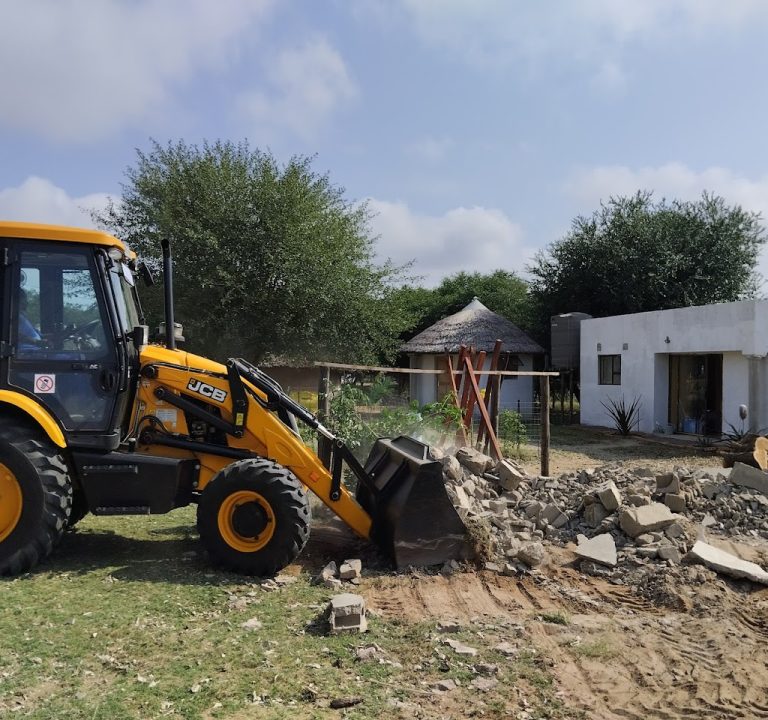
uMfolozi College Bhambanana campus is a Colleges establishment in Bhambanana, Kwa-Zulu Natal, South Africa
Bhambanana
Kwa-Zulu Natal
3969
South Africa
Sorry, no records were found. Please adjust your search criteria and try again.
Sorry, unable to load the Maps API.
Education and Educational Resources in Bhambanana, Kwa-Zulu Natal
Bhambanana, a rural hub in Kwa-Zulu Natal, offers a breadth of educational possibilities that extend beyond the classroom. The area traditionally hosts a range of learning institutions and support services designed to assist learners and families as they map their educational journeys. The landscape reflects a commitment to accessible education, with pathways that connect foundational schooling to further study and practical training.
Within the town and its surroundings, several types of institutions are typically present. Primary and secondary schools aim to provide a solid academic grounding, often accompanied by programmes that address language development, mathematics, science, and social studies. To meet the needs of older learners and those seeking vocational routes, technical and vocational education and training (TVET) centres and further education colleges frequently operate in the region or nearby towns, offering practical programmes aligned with local industry and employment opportunities. In urban-adjacent areas, or through regional partnerships, opportunities for university-level studies or access to university facilities may be available through branch campuses, outreach programmes, or distance-learning options.
A common feature across the educational ecosystem is the variety of programmes accessible to different levels of study. Learners may encounter curricula that range from foundational and remedial courses to certificate, diploma, and degree formats. Where formal degree programmes are not immediately available in the locality, learners can often engage with blended or distance-learning options supported by regional institutions or national programmes. Practical disciplines frequently include areas such as information technology, business studies, engineering-adjacent trades, health and social care, agriculture, and early childhood development, among others. The emphasis is typically on acquiring applicable skills alongside academic understanding.
Learning support and student services are important components of the educational experience in Bhambanana. Schools and training centres commonly provide access to additional tutoring, language support, career guidance, and information on funding or bursary opportunities where available. Basic student services may include academic advising, assessment preparation, and orientation activities designed to help learners navigate transitions between different levels of study. Community-based organisations sometimes collaborate with educational providers to extend mentoring, reading programmes, and after-school supervision to families and young learners.
Facilities and resources play a central role in enabling constructive learning experiences. Many institutions offer well-equipped classrooms and laboratories suited to science and technology subjects, alongside computer labs that support digital literacy and programming. Libraries or resource centres are valued for lending a range of reference books, journals, and study materials, with quiet study spaces and access to information technology. Sports facilities, recreational spaces, and safe accommodation options for students who travel from remote areas are features that support well-rounded development and wellbeing. When applicable, partnerships with local communities extend access to cultural and artistic activities, further enriching the educational environment.
Typical pathways through the education system in this region can be summarised as follows: primary and secondary schooling leading to senior certificate or equivalent qualifications; completion of vocational courses or diplomas through TVET or college channels; progression to higher education through university-linked programmes, articulation agreements, or distance-learning routes; and access to continuing education or professional development through short courses and recognised certificates. Admissions and registration processes generally involve enrolment through the respective institution, submission of required documentation, and clear timelines for placement tests, orientations, and commencement of studies. While specific entry requirements vary by programme and provider, learners are encouraged to explore available options, speak with guidance personnel, and consider the blend of academic credentials and practical experience that best supports their goals.
Overall, Bhambanana offers a pragmatic mix of educational options aimed at fostering lifelong learning. The combined presence of traditional schools, technical training opportunities, and access to broader higher-education resources positions learners and families to plan durable, local pathways while remaining connected to wider regional and national education networks.
- Nearby colleges and vocational centres may provide certificates and diplomas in practical disciplines.
- Distance-learning and online resources can extend access to university programmes from secure, local study hubs.
- Public libraries and community learning groups offer study spaces, reference materials, and quiet zones for focused work.
- Guidance services typically assist with course selection, progression planning, and information on funding where available.