
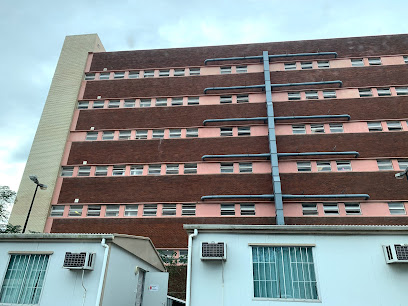
Thekwini TVET College is a Colleges establishment in Berea, Kwa-Zulu Natal, South Africa
Berea
Kwa-Zulu Natal
4091
South Africa
Curriculum
Thekwini TVET College in Berea, Kwa-Zulu Natal, presents a curriculum designed to deliver technically oriented programmes aligned with South Africa’s National Qualification Framework (NQF). The offering spans National Certificate Vocational (NCV) qualifications, Report 191 diplomas, and higher-level N Diploma programmes, with pathways that cater to learners transitioning from school to further study or entry into the workforce. The college operates across multiple campuses, emphasising practical, work-integrated learning and industry-related skills that support regional economic needs.
Among the core offerings are the NCV programmes, which are structured across NQF levels 2, 3 and 4. These qualifications are designed to combine theory with hands-on, workshop-based training, aiming to equip learners for immediate employment in vocational fields or for articulation to higher education institutions. In addition, the college provides Report 191 qualifications, including diplomas and related vocational modules, presented in full- and part-time formats to accommodate diverse student circumstances. The curriculum emphasises applied subjects and authentic workplace scenarios to foster job readiness and practical problem-solving abilities.
Higher-level routes include National N Diploma programmes, with streams such as Financial Management and Hospitality and Catering Services. These diplomas are delivered over a multi-year period, incorporating structured tuition phases (N4–N6) followed by on-the-job practical training. This arrangement reflects the college’s focus on ensuring that theoretical knowledge is complemented by supervised industry exposure, helping graduates to enter the employment market with demonstrated competencies and ready-to-use skills in real-world settings.
Themed subject clusters are evident across campuses. For example, the Asherville, Cato Manor and Centec campuses present dedicated streams in areas such as Education and Development, Public Management, Hospitality, Tourism, and Business Studies. In these streams, curriculum components cover core concepts like management, administration, customer services, and enterprise practices, alongside essential technical skills. The college also offers bridging and preparatory options, including pre-vocational and foundational programmes designed to broaden access for learners seeking to enter vocational study.
Curriculum design at Thekwini TVET College emphasises a learner-centred, outcomes-based approach, with attention to employability skills and practical competence. The college highlights the importance of work-integrated learning (WIL) as a distinctive feature of its curriculum, helping students connect classroom learning with real work environments. WIL opportunities appear across several programmes, with durations and placement structures aligned to individual course requirements. This approach supports the development of industry-ready graduates who can contribute effectively in hospitality, engineering, business services, information technology, and related sectors.
Online and blended learning capabilities form a strategic element of the college’s curriculum delivery. A focus on developing remote and online teaching and learning modes is highlighted among the college’s strategic priorities, alongside the provision of digital learning resources. Learners access a dedicated Student Portal and the Moodle (LMS) platform for course materials, assignments, and assessments. These resources are complemented by an official college email system and portal access, fostering a connected, literature-rich learning environment that supports independent study and tutor-led guidance alike.
Beyond formal courses, the curriculum ecosystem includes short courses and professional training opportunities designed to broaden skills portfolios. While specific short-course lists are not enumerated in the available materials, the Skills Unit and related work-based learning initiatives indicate a commitment to expanding practical training modules and employability-focused programmes. Students may engage with these initiatives to augment their main qualifications with industry-relevant ancillary skills, certifications, and hands-on experiences that enhance future employment prospects.
Support and resources underpin the curriculum at Thekwini TVET College. Student support structures include an Acting Student Support Manager, campus-based Student Liaison Officers, and bursary staff who liaise with the National Student Financial Aid Scheme (NSFAS) on bursary matters. The college’s emphasis on accessibility is reinforced by its strategic plan, which foregrounds increasing access to occupation-directed programmes, expanding artisan development, and strengthening partnerships with industry and higher education institutions. The combination of structured academic programmes, practical learning, and robust support services creates a cohesive curriculum aimed at producing competent, job-ready graduates.
For more information on specific courses, campus offerings, and student support services, visitors can explore the college’s main site and campus pages, along with the student information sections and e-learning resources hosted online. These platforms provide course outlines, enrolment details, and access to learning management systems, enabling prospective students to understand how the curriculum is delivered in practice.
Faculties and Branches
Thekwini TVET College operates across six campuses located within Durban, KwaZulu-Natal, forming a network that supports a range of technical and vocational programmes. The campuses—Asherville, Cato Manor, Centec, Melbourne, Springfield, and Umbilo—provide access to classroom-based learning, practical workshops, and institutional support services that help students progress through national qualifications and vocational diplomas. Each campus hosts programmes aligned to the College’s broader teaching and learning objectives and serves as a hub for student services, learning resources, and industry-linked partnerships. For an overview of campus locations and facilities, see the dedicated campuses section on the College website: https://www.thekwini.edu.za/campuses/.
Within the academic structure, the College offers a National Certificate Vocational (NCV) pathway, as well as Diploma-level qualifications and specialised certificates through its vocational departments. The key faculties or schools include:
- Department of Business Studies — delivering programmes in Public Management (including Report 191 and related N4–N6 studies such as Public Administration, Municipal Administration, Public Finance and Entrepreneurship) that prepare learners for local government administration and business environments.
- Department of Food and Hospitality Services — offering hospitality-focused NCV and Diploma studies, including specifications for catering, food preparation, nutrition, sanitation, and related supervisory and entrepreneurial skills.
- Department of Travel and Tourism — providing NCV and Diploma-level instruction in hospitality services, travel planning, and associated business practices tailored to the tourism sector.
- Education and Development pathway — ASHERVILLE CAMPUS features NCV Education and Development qualifications, including modules such as Arts & Science of Teaching, Human and Social Development, Learning Psychology, and Early Childhood Development across Level 2 to Level 4.
In addition to these faculties, the College emphasises work-integrated learning (WIL) and practical workplace training as part of the Skills Unit and related programme structures. WIL opportunities are listed under the Skills Unit, detailing various durations and entry requirements across multiple programmes to connect theory with industry practice. Students may engage in WIL components across business, engineering, hospitality, and other disciplines, subject to campus-based placements and agreements with industry partners.
Student services at the six campuses are coordinated through on-site administration and support roles. Services include bursaries support, student liaison officers at several campuses, and an acting Student Support Manager responsible for coordinating assistance and escalation of student matters. Additional information about student services, including bursary administration and the Student Representative Council, is accessible through the College’s student information pages and portal links: https://www.thekwini.edu.za/student-info and the e-learning and applications hub: https://www.thekwini.edu.za/e-learning-and-applications.
Overall, the College’s framework ties campus-based delivery to its stated vision and mission—empowering students through inclusive, occupationally directed programmes that align with South Africa’s development goals. For further details on courses, campus facilities, and programme structures, the official site provides comprehensive documentation, including the College Brochure and Strategic Plan: https://www.thekwini.edu.za/sitepad-data/uploads/2021/08/Strat-Plan-document.pdf.
Registration Details
Thekwini TVET College in Berea, KwaZulu-Natal offers a range of technical and vocational programmes across its campuses. Prospective students seeking to begin their studies should note that late applications for the 2026 academic year are open for some courses, with an application option available online. This reflects the college’s commitment to providing access to eligible learners at different entry points.
Key information about the application process is available through the college’s online channels. Interested applicants can start their journey by exploring the study options and proceeding to the specified application portals. The college highlights an online application pathway labelled Apply Now for qualifying courses, which is accessible from the institution’s site and related communications.
Where to apply and how to begin the registration process are supported by several online resources. The following links connect prospective students to core steps and supporting information:
- Get Started – Campuses
- Apply Now – Late Applications
- About Thekwini TVET College
- Newsflash – Latest Updates
For ongoing support throughout the application and registration stages, several channels are referenced by the college. While physical contact details such as telephone numbers or email addresses are not included here, prospective students can access guidance through official portals and campus pages. The college also maintains a student-facing portal and learning management system to assist current and prospective learners with enrolment-related information and course access:
Campus-specific information regarding programmes such as National Certificate Vocational (NCV) and Report 191, including general course offerings and progression pathways, is published on the college’s campus pages. Although exact entry requirements are not stated in a single, universal policy here, individual courses and campuses publish the applicable prerequisites. Interested applicants are encouraged to review the relevant campus pages for the programme they intend to pursue.
Support and guidance on student services, bursaries, and learner assistance are outlined in the college’s broader student information resources. While direct contact details are not listed in this section, prospective applicants can navigate to the college’s main site and student-focused sections to locate the appropriate campus-based contacts and support services:
Sorry, no records were found. Please adjust your search criteria and try again.
Sorry, unable to load the Maps API.
Education and Educational Resources in Berea, KwaZulu-Natal
The suburb of Berea in KwaZulu-Natal sits within easy reach of a diverse range of educational opportunities. Learners and families may encounter a mix of schools, further education colleges, higher education campuses in the Durban area, specialist training centres, and community-based learning hubs. The spectrum of options is often complemented by local libraries and public resources that support independent study and enrichment activities aside from formal classrooms.
Types of institutions in and around Berea commonly include government and independent schools offering pre-primary, primary, and secondary education. In the senior phase, students may encounter a mix of national curricula and regionally adapted programmes designed to prepare for national examinations. Secondary schools frequently provide guidance on examination options, subject choices, and pathways toward further study, apprenticeships, or entry into the local workforce. In addition, a number of adult education programmes and community learning centres offer courses aimed at lifelong learning and skills development.
Further education and training options commonly feature vocational and technical institutes offering certificates, diplomas, and practical skills programmes. These centres often provide flexible study modes, including part-time study and short-courses designed to align with local industry needs. Such programmes can support traditional learners pursuing further qualifications as well as adults returning to education or seeking career changes.
Higher education access is typically supported by campuses in nearby Durban and surrounding areas. Prospective students may encounter undergraduate and postgraduate programmes across faculties such as commerce, humanities, science, engineering, and health sciences. Distance learning and blended delivery are often available, expanding accessibility for learners who require flexibility due to work or family commitments. Accreditation and articulation agreements commonly enable progression from diploma or certificate study to bachelor’s degrees, subject to institutional requirements.
Learning support structures play a central role within Berea’s educational landscape. School-level guidance counsellors, literacy and numeracy support, and language assistance services may be available to help learners navigate academic challenges. Tertiary institutions commonly provide academic advising, study skills workshops, tutoring services, disability support, and career guidance. Community organisations sometimes collaborate with schools and colleges to extend mentoring, after-school programmes, and college preparation activities.
Facilities and resources typically found in the Berea area enhance learning beyond classrooms. Libraries provide quiet study spaces, lending collections, and access to digital resources. Science laboratories, computer laboratories, and specialised facilities at larger campuses support practical work and research. Sports facilities, gymnasiums, and athletic programmes contribute to physical development and teamwork. Some higher education campuses and private colleges may offer accommodation options or information about nearby residence facilities for students relocating to the area.
Typical pathways for learners involve a process of information gathering, guidance, and registration. Registration procedures generally require meeting eligibility criteria for the chosen programme, submitting applicable documentation, and meeting any entry requirements set by the relevant institution. Entrance assessments or interviews may be part of the admissions process for certain programmes. Transition planning often involves seeking information about pathways between different levels of study, recognition of prior learning, and pathways into apprenticeships or employment opportunities.
For families and learners alike, local education hubs and community resources can provide practical guidance on course choices, timelines, and funding options. While specific programmes, entry requirements, and fees vary by institution and year, the overarching landscape in Berea supports a broad spectrum of educational ambitions through schools, colleges, higher education campuses, and diverse learning services.
- General learning levels include pre-primary to higher education, with routes spanning certificates, diplomas, bachelor's degrees, and postgraduate studies.
- Support services commonly cover academic advising, tutoring, disability support, and career planning.
- Facilities typically emphasise libraries, laboratories, computer rooms, sports avenues, and student accommodation information.