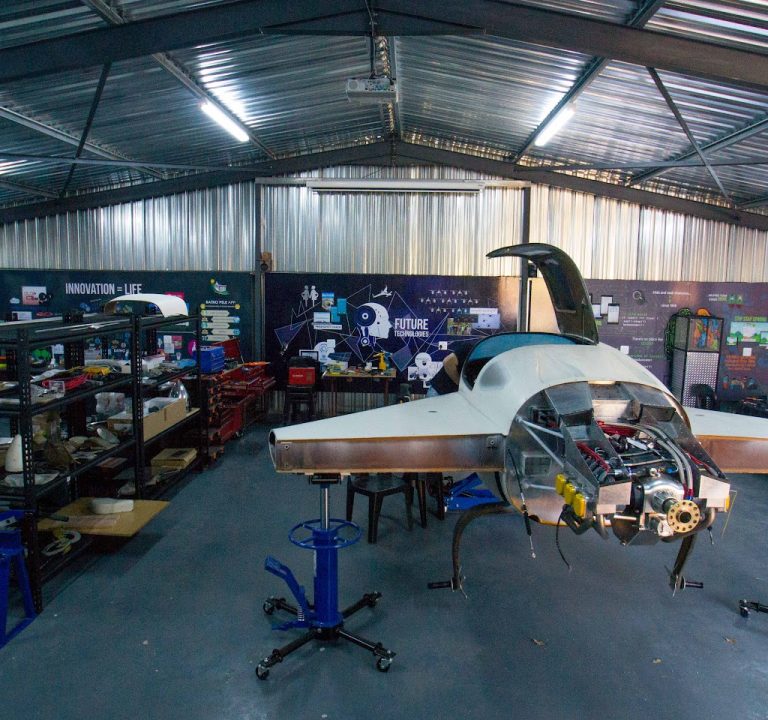
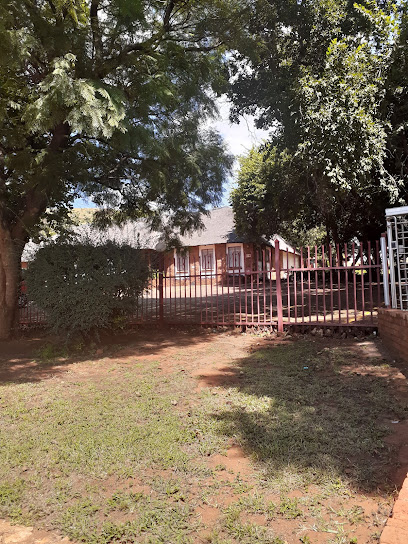
Belgium Campus iTversity is a Colleges establishment in Akasia, Gauteng, South Africa
Akasia
Gauteng
0182
South Africa
Curriculum
Belgium Campus iTversity presents a world-class IT-focused curriculum designed to prepare graduates for immediate entry into technology-driven workplaces. The institution emphasises industry relevance through a cutting-edge set of programmes at undergraduate and Diploma levels, complemented by targeted short courses and professional training. The curriculum is structured to balance foundational knowledge with practical application, ensuring graduates are equipped to contribute effectively from day one in careers spanning software development, data science, cybersecurity, and information technology management.
At the degree level, the campus offers a Bachelor of Computing with specialisations in Data Science and Software Engineering. This pathway is aimed at students seeking rigorous preparation in computational thinking, software design, and data-driven problem solving, with the flexibility to specialise in areas aligned to evolving industry needs. The Bachelor of Information Technology focuses on software development, providing a solid background in IT systems, programming practices, and project-based delivery. For learners seeking a more practice-oriented entry into the profession, the Diploma in Information Technology covers infrastructure and software development specialisations, delivering technical competence suitable for entry-to-mid level roles in IT operations and development teams. There is also a Diploma for Deaf Students with software development specialisations, highlighting the campus’s commitment to inclusive education and accessibility within technology disciplines. A Part-Time Bachelor of Information Technology option serves those balancing study with work or other commitments, maintaining the same programme core while offering greater scheduling flexibility.
In line with the aims of producing industry-ready graduates, the curriculum architecture integrates practical projects, industry-aligned learning outcomes, and progressive skill development. The Participative Development Model introduced in 2009 is cited as a guiding framework, emphasising collaboration with industry to ensure academic learning remains aligned with real-world employer expectations. This model underpins the way curricula adapt to current technology trends, enabling students to engage in applied learning that mirrors professional environments.
Beyond degree and diploma programmes, the campus provides a suite of short courses and professional training designed to extend digital competencies and keep pace with rapidly changing technology landscapes. Notable offerings include Master Classes in pertinent IT subjects delivered by local and international experts, which enable attendees to deepen specialist knowledge and stay abreast of emerging technologies. Collaborative teaching with industry leaders expands access to professional certification and demonstrates a commitment to continuous upskilling.
Industry certifications form an important portion of the curriculum’s extracurricular learning trajectory. The campus partners with industry leaders to offer IBM certifications and AWS-related credentials through select degree and diploma tracks. These provisions provide pathways to internationally recognised qualifications, augmenting theoretical study with practical, market-relevant credentials that can enhance employability in competitive IT sectors.
Where distance learning or flexible access is concerned, the campus runs virtual mobility programmes and international weeks that enable students to engage remotely through video conferences and short exchanges. An annual international week gathers students from various disciplines, fostering collaboration, co-creation, and cross-cultural project development. Such initiatives extend the curriculum beyond traditional classroom boundaries, exposing learners to diverse practices and global perspectives.
Support for students and distinctive learning resources also feature in the curriculum. The institution participates in national and international networks, including the South African National Research Network (SANReN), which links Belgium Campus to other universities and research institutions to support high-speed educational and research activities. This connectivity enhances access to advanced resources and collaborative opportunities. While specific services are not itemised in detail on the publicly available pages, the focus on inclusivity, industry partnerships, and access to high-calibre external programmes signals a holistic approach to student support and resource provision.
Overall, the curriculum at Belgium Campus iTversity emphasises a progressive blend of core IT knowledge, practical application, and opportunities for specialisation. The combination of accredited degree and diploma paths, supplementary master classes, industry-aligned certifications, and international learning experiences reflects a comprehensive strategy to prepare graduates for technology careers in South Africa and beyond.
Faculties and Branches
Belgium Campus iTversity operates as a specialised IT institution in South Africa, with a focus on delivering industry-oriented qualifications that align with contemporary technology trends. While the organisation emphasises its national impact, the structure is presented here in a practical, external overview, highlighting available faculties, study streams, and campus locations that support student access and services.
Curricular emphasis centres on recognised IT disciplines organised into distinct study paths. The main offerings include:
- Bachelor of Computing (NQF 8), with specialist streams in Data Science and Software Engineering
- Bachelor of Information Technology (NQF 7), with a Software Development focus
- Diploma in Information Technology (NQF 6), with specialisations in Infrastructure and Software Development
- Diploma for Deaf Students, with a Software Development specialisation
- Part-Time Bachelor of Information Technology (NQF 7), with Software Development as a key stream
These programmes are designed to prepare graduates for industry roles, with curricula described as a cutting-edge mix of foundations, practical application, and employer-aligned skills. The inclusion of a dedicated Diploma for Deaf Students highlights a commitment to accessible pathways within the IT field, reflecting a broader ethos of inclusive student support and diverse entry routes.
Campus network and branches provide the physical and administrative framework for delivery and student support. While the publicly listed campuses include Pretoria, Kempton Park and Stellenbosch, the information presented here focuses on the existence of multiple campuses that enable practical access to facilities and learning resources. Each campus is positioned to host programme delivery, student services, and related academic activities, contributing to a cohesive national IT education offer.
In relation to programmes and student services, the campus framework supports both full-time and part-time study modes, enabling flexibility for working students or those balancing other commitments. The structure is described as enabling continued access to laboratories, infrastructure for software development, and data science environments, enhancing hands-on experience alongside theoretical study. The model also notes partnerships and industry links that help ensure the curriculum remains aligned with evolving technology needs and employer expectations, thereby supporting graduate employability and continued professional development.
For applicants and prospective students, information about campus locations and access is complemented by opportunities to engage with admissions activities, such as open days and the application portal. External stakeholders can learn more by visiting the main site sections dedicated to campuses and enrolment, or by exploring course pages that detail specific specialisations and progression routes. This outward-facing description emphasises the institutional arrangement in which faculties connect to practical study venues, enabling a coherent pathway from admission through to graduation and beyond.
Further details on campus facilities and the range of student services can be found via the institution’s campus pages, including Pretoria Campus, Kempton Park Campus, and Stellenbosch Campus, as well as programme-specific information available through the programme overview pages on the Belgium Campus iTversity website.
External readers are encouraged to review the main site for the latest updates on offerings and campus information, including admissions timelines and enrolment processes at Belgium Campus iTversity.
Registration Details
Belgium Campus iTversity provides a clear, two‑stage pathway for prospective students: an application process to secure a place, followed by enrolment to finalise payment and access class schedules. The information below summarises the official steps and the typical documentation required, as published on the campus website.
Application process overview
- Create a profile in the Apply Now section of the official website. A verification email is sent to confirm the address.
- Access the Applicant Portal by logging in with the created profile and completing the information under the Applicant Profile tab.
- Submit the application by selecting the Application Form from the dropdown. This includes uploading a copy of final GR11/GR12 (or equivalent) results, and completing the Residence Application Form if applicable. The application is then submitted for consideration.
- Track the outcome by checking the Status tab in the portal. If successful, a conditional acceptance letter is issued by email and the preferred qualification can be selected.
- Secure admission by paying the relevant registration fees and uploading final supportive documents under the Supporting Documents tab. Confirmation of registration and an invoice are then sent by email.
Where to apply
The campus provides direct online access for applications. Prospective students can begin the process by visiting the official article and using the Apply Now portal, which includes the applicant portal and the necessary forms. The following links are visible to applicants ready to start:
Enrolment steps after application
Following a successful application, the enrolment process must be completed to become officially registered for coursework. The steps are outlined in sequence to help prospective students organise payments and documentation efficiently:
- Log in to the Application Portal and utilise the Manage Payer option under the Status tab to complete the Payer Finalisation Form, including the chosen payment method. Await final approval.
- Complete payment and enrolment actions based on the approved option:
- Once‑off payment requires no further action.
- Instalments may require completing an Instalment Application and awaiting credit check approval for enrolment.
- Corporate sponsorship submissions may be needed, with proof of sponsorship.
- Student loan assistance or direct student loan processes may necessitate providing supporting documents.
Documents and communications
The published steps indicate that an applicant must upload a copy of final GR11/GR12 (or equivalent) results as part of the application. Additionally, final supportive documents must be uploaded under the Supporting Documents tab once space is secured. After registration is complete, proof of registration and an invoice are sent via email, which provides the formal confirmation of enrolment and next steps.
Support and contact
For further assistance, the campus provides a channel to reach out via the site. A dedicated WhatsApp option is listed as a contact method for quick guidance. Prospective students should use official links to communicate and avoid sharing personal data through unsecured channels.
Once registered, the campus resources enable access to class schedules and the start of the academic journey. The overall process emphasises clear steps from initial online registration through to final enrolment and commencement of studies.
For convenience, the campus also hosts user‑friendly pages detailing tuition and residence fees, as well as current and upcoming enrolment opportunities, all accessible from the main site.
Note: All deadlines, fees and forms referenced are subject to change by the institution. It is advisable to consult the official Apply Now and enrolment pages for the most up‑to‑date information.
Sorry, no records were found. Please adjust your search criteria and try again.
Sorry, unable to load the Maps API.
Education and Resources in Akasia, Gauteng
Akasia, a residential area in Gauteng, sits within easy reach of a broad range of educational opportunities. The community is served by a variety of learning institutions that address different stages of schooling and career development, reflecting South Africa’s diverse educational landscape. Local families can typically access a spectrum of primary and secondary schools, alongside specialised providers that support further study and skills training in nearby towns and city campuses.
Within Akasia and its surrounding municipalities, learners commonly encounter the following types of institutions:
- Primary and secondary schools offering standard national curricula, with programmes designed to support learners across different ages and abilities.
- Specialist and technical colleges focusing on vocational programmes that lead to recognised certificates, diplomas or diplomas for higher-level study.
- Further education and training (FET) centres offering options in business, information technology, engineering, health sciences and creative disciplines.
- Universities and university campuses located in neighbouring towns, providing undergraduate and postgraduate pathways across a range of faculties.
- Community learning centres and adult education facilities that deliver short courses, language support and skills development for adults and families.
Common programmes and levels available to learners in the area cover a wide spectrum. Primary and secondary pupils typically engage with mathematics, sciences, languages, humanities and arts, with additional support for learners who may benefit from extra coaching or tutoring. For those pursuing post-school pathways, vocational programmes in areas such as information technology, engineering trades, health professions and business studies are frequently accessible through local colleges and partners in the region. University preparation courses, bridging programmes and honours-level studies may also be found within reach for those preparing for higher education.
Learning support and student services form an integral part of the education system in and around Akasia. Many institutions provide guidance on academic progression, career planning and financial aid, alongside language support, literacy programmes and resources for learners with additional needs. Counselling and mental health services are commonly available to assist students with personal development, study strategies and transition between education phases.
Facilities and resources commonly found to support learning include well-stocked libraries with books, journals and digital resources, science laboratories equipped for practical experiments, and computer labs offering access to software and online databases. Sports facilities, playgrounds and recreation spaces are often available to promote wellbeing and teamwork, while on-campus accommodation or recommended student housing options nearby can ease transition for those relocating from other areas. In addition, transport connections, safe study environments and access to universal design features help broaden participation across the community.
Typical pathways for admission and registration are generally straightforward but require awareness of varying requirements. Prospective students and learners commonly complete an application or enrolment form within set deadlines, provide appropriate proof of prior qualifications, and participate in information sessions or open days. Financial considerations, such as tuition fees, bursaries or grants, are often addressed through institutional guidance or local funding bodies, with some support available for qualifying applicants. Local education authorities and institutions commonly publish clear guidelines on progression between levels, transfer options and the recognition of prior learning, helping families plan long-term educational journeys.
Overall, Akasia offers a gateway to a broad educational ecosystem characterised by diverse institutions, supportive services and a range of learning opportunities. The surrounding Gauteng region complements this base with universities, technical colleges and adult education facilities, enabling learners and their families to pursue academic advancement, vocational training or personal development within a connected landscape.