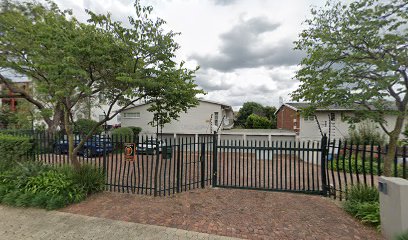
Private Teaching is a Private tutor establishment in Randburg, Gauteng, South Africa
Randburg
Gauteng
2194
South Africa
Sorry, no records were found. Please adjust your search criteria and try again.
Sorry, unable to load the Maps API.
Education and Resources in Randburg, Gauteng
Randburg, a well‑established area within Gauteng, South Africa, offers a diverse spectrum of educational provision that serves learners from school age through to higher and further education. The suburb presents a mix of public and private sectors, as well as specialised training centres, set within a metropolitan context that emphasises access to a range of facilities and services. Families and learners typically encounter a multi-layered landscape of educational opportunities designed to support achievement at different levels of study and across varied interests.
Types of institutions found in and around Randburg commonly include primary and secondary schools, colleges offering vocational and technical training, specialised training centres, and tertiary institutions connected to broader university networks. Learners can expect a mix of curriculum options, from general education to more applied programmes designed to prepare students for specific career pathways. Within schools and colleges, emphasis often falls on a combination of core subjects, preparation for examinations, and opportunities for elective or enriched learning experiences.
Universities and higher‑level education institutions in the broader Gauteng region are complemented by campuses and satellite facilities that may provide access to degree programmes, diplomas, and professional qualifications. For many students, pathways may involve completing a foundation year, undertaking undergraduate study, or pursuing short‑cycle courses aligned with local industry needs. Articulation between further education and higher education is commonly supported through guidance services and academic advisory resources offered by institutions and collaborative partners.
Learning support and student services play a central role in Randburg’s educational landscape. Typical offerings include academic tutoring and study skills workshops, language and literacy support, and disability services designed to promote inclusive access to learning. Schools and colleges may provide counsellors, career guidance professionals, and pathways advisors to assist learners in making informed decisions about subject selection, further study, and eventual career directions. Where available, language development programmes and culturally responsive education initiatives contribute to a supportive learning environment for a diverse student body.
Facilities and resources historically associated with Randburg’s educational ecosystem enhance the practical learning experience. Libraries, both on campuses and in local community hubs, commonly provide lending services, study spaces, and access to digital resources. Laboratory spaces for sciences, technology, engineering, and related disciplines are typically equipped to support practical experiments and project work. Sports facilities, performing arts venues, and recreation areas feature as part of a holistic approach to student life, offering opportunities for physical activity, teamwork, and creative expression. Student accommodation or nearby housing options often assist with transition to campus life for those moving from other parts of Gauteng or beyond.
Typical pathways for admission or registration follow common higher‑level procedures: initial enquiry or application to the chosen institution, submission of required documents, proof of qualifications, and confirmation of programme enrolment. Applicants may encounter varying timelines and intake periods depending on the institution type, programme level, and available places. It is common to engage with information portals or guidance offices that outline programme prerequisites, assessment methods, and progression routes. Prospective students are encouraged to review admission criteria, keep track of deadlines, and explore potential financial assistance or bursary options offered by institutions or third‑sector organisations.
- Common study avenues: general and specialised secondary curricula, diploma and degree programmes, vocational and technical qualifications, and short courses for professional development.
- Learning support: tutoring, language development, disability services, career guidance, and study skills workshops.
- Facilities: libraries, laboratories, ICT resources, sports and arts facilities, and accommodation options near campuses.
- Pathways: guidance on subject choice, progression to higher education or employment, and information on enrollment processes and documentation.
Overall, Randburg presents a pragmatic and information‑rich environment for learners and families. The area benefits from a network of institutions, services, and resources designed to support achievement, accommodate diverse learning needs, and facilitate smooth transitions between school, further education, and higher education pathways. Interested readers are encouraged to consult local campus websites for the most current information on programmes, admission requirements, and upcoming intake periods.