
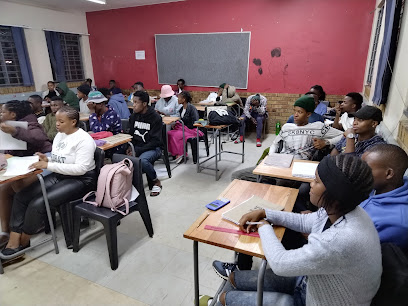
Bright Stars Tutoring Services Saturday School is a Learning centers establishment in Soweto, Gauteng, South Africa
Soweto
Gauteng
1878
South Africa
Sorry, no records were found. Please adjust your search criteria and try again.
Sorry, unable to load the Maps API.
Education and Resources in Soweto, Gauteng
Situated in the heart of Gauteng, Soweto presents a diverse education landscape that serves learners across a broad spectrum of ages and ambitions. The area hosts a mix of traditional schools, further education and training centres, and pathways that connect secondary schooling with higher study or vocational training. The array of local resources supports families and learners as they navigate choices, prepare for examinations, and pursue lifelong learning.
Within Soweto, primary and secondary schools form the core of daily learning. These institutions commonly offer a broad curriculum designed to prepare pupils for national examinations, with additional subject options that reflect local priorities and available expertise. Some schools provide programmes for learners with special educational needs, and others focus on technical or enterprise-oriented courses to broaden career options. Across the network, learners can expect access to modern classrooms, science laboratories, computer facilities, and libraries that support independent study and research skills.
Focusing on broader post-school options, training centres and further education institutions in the region deliver a range of vocational and practical programmes. Typical offerings include meteor programmes in information technology, business studies, health and beauty, construction, engineering, hospitality, and creative arts. These centres often emphasise hands-on training, industry-relevant qualifications, and flexible study modes to accommodate work and family commitments. Completion pathways frequently lead to recognised certificates or diplomas, with further progression opportunities at higher education institutions in nearby urban centres.
Higher education in the area is supported by access to nearby universities within the metropolitan region. Those seeking more comprehensive degree courses may explore options in neighbouring cities, while some local organisations provide articulation routes, bridging programmes, and preparatory courses to help learners progress from college to university-level study. The general emphasis across higher education pathways is on building critical thinking, practical skills, and research abilities that align with evolving labour markets.
Learning support and student services are important features of Soweto’s educational ecosystem. Many institutions offer guidance and mentorship for pupils and students, study skills workshops, examination preparation, and assistance with planning further studies or training. In addition, family and community support structures often collaborate with schools and centres to promote literacy, numeracy, and lifelong learning. Where available, language support, career guidance, and welfare services contribute to a more inclusive learning environment, helping learners to navigate financial aid options, accommodation decisions, and enrolment processes.
Facilities and resources commonly found across Soweto include well-stocked libraries with quiet study areas, computer laboratories with up-to-date software, science laboratories, and dedicated spaces for arts, music, and physical education. Sports facilities range from outdoor pitches to indoor recreation halls, supporting organised teams and personal fitness. Some institutions offer accommodation options or partner with nearby housing providers to support students who relocate for study. Access to internet-enabled learning centres and community classrooms further extends opportunities for independent study and supplementary tutoring.
For families planning transitions between education levels, typical pathways involve a straightforward progression from primary to secondary schooling, followed by a choice between continuing formal schooling, enrolling in further education or training, or pursuing higher education through university or college networks. Admissions processes generally require registration within the respective school or centre timelines, submission of basic student information, and fulfilment of any local requirements set by the education authorities. Broadly, the goal is to ensure that learners gain the foundational knowledge and practical abilities needed to pursue chosen futures, whether that involves higher study, skilled trades, or community-based roles.
- Types of institutions: primary and secondary schools, further education and training centres, local tertiary programmes, and nearby universities.
- Common programmes: general academic subjects, technical and vocational courses, IT, health and beauty, construction, engineering, business studies, arts and design.
- Support services: study skills workshops, career guidance, welfare and language assistance, and guidance on admissions and funding options.
- Facilities and resources: libraries, laboratories, computer suites, sports facilities, and accommodation where available.
Overall, Soweto offers a practical and aspirational education landscape where learners and families can explore varied routes to learning, supported by a network of institutions and community resources. The emphasis remains on enabling access, fostering skills, and providing pathways that reflect individual goals and the needs of a dynamic South African economy.