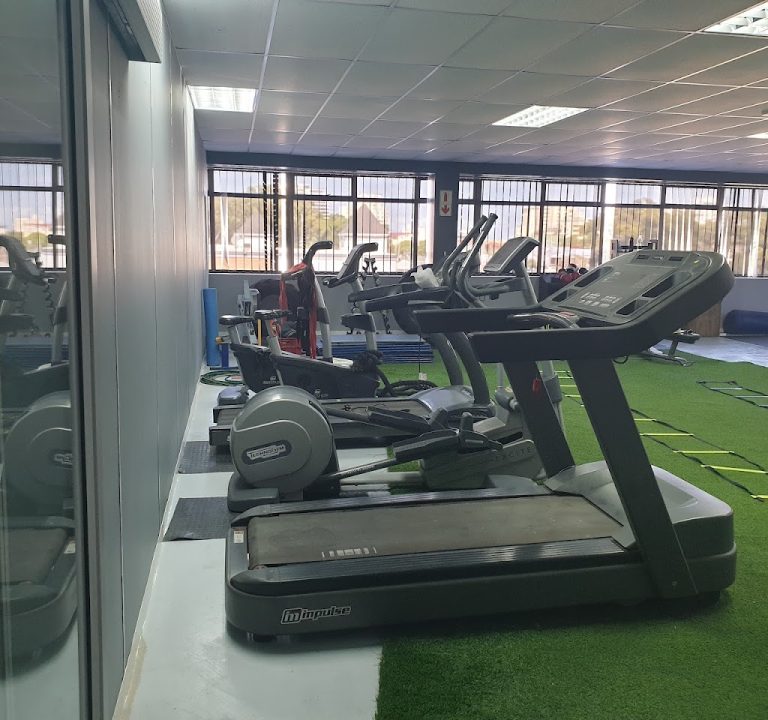

XFE Academy is a Educational institutions establishment in Benoni, Gauteng, South Africa
Benoni
Gauteng
Northmead, Benoni
South Africa
Curriculum
XFE Academy presents a diverse curriculum designed to bridge practical industry experience with formal qualification across fitness, events and entertainment. The provision spans full professional pathways, short courses and targeted specialisations, enabling students to pursue roles as fitness professionals, coaches, referees or S&C specialists within South Africa and internationally.
Core programmes are built around three strands: fitness and personal training, sport coaching and officiating, and nutrition education. These strands are offered through a combination of full qualification routes, shorter professional courses and specialist add‑ons. The academy emphasises industry relevance by integrating practical file‑based assessment, live industry exposure and networking opportunities at major fitness and bodybuilding events. This approach seeks to ensure graduates are ready to apply contemporary techniques in real‑world contexts from the outset.
Across the curriculum, a consistent feature is the blending of face‑to‑face teaching with online or livestreamed delivery. Some courses are available via live streaming to extend access beyond Gauteng, with online self‑paced study and correspondence options described for certain programmes. This blended learning model supports flexible progression while maintaining a strong focus on hands‑on practice, observation and practical assessment.
The academy’s flagship pathways include a comprehensive coaching science offering, designed to develop coaches, teachers and managers by combining sport science insights with applied coaching knowledge. This package integrates theoretical study with applied material, positioning graduates to work across multiple sports and settings. Alongside coaching science, the curriculum features national and international qualifications in strength and conditioning, sport nutrition and professional practice standards, expanding employability across the global fitness sector.
Specialist routes within the curriculum are complemented by sport officiating and sport administration tracks. The sport officiating pathway equips students to pursue professional roles as qualified referees or technical officials, while the administration and supporting courses prepare learners to operate within sport unions and related organisations. These offerings help foster a well‑rounded understanding of sport delivery, regulation and athlete support.
Nutrition education is embedded within the curriculum as well, with courses aimed at informing practice from basic nutrition planning to more advanced supplementation and competition preparation. The nutrition component is designed to support both fitness professionals and athletes, enabling practical guidance grounded in contemporary evidence.
Distinctive learning resources highlighted by the academy include access to industry events and live networks, which provide real‑world context for classroom learning. The combination of streaming lectures, practical sessions at the academy’s facilities and on‑site event involvement offers students opportunities to observe, participate in and contribute to major fitness occasions. This exposure supports the development of professional portfolios and industry connections that can prove valuable in early career stages.
Short courses and professional training form an important part of the curriculum. These include specialised rapid‑entry options and continuing education units (CEUs) in areas such as nutrition, strength coaching and professional practise standards. Short courses are designed to be complementary and may be taken as standalone modules or incorporated into broader study packages, allowing learners to tailor their education to specific career goals while building a credentialed profile.
Accreditation and recognition are underscored within the curriculum, with qualifications described as nationally and internationally recognised. The academy promotes affiliations with professional bodies and international organisations, contributing to a curriculum that aligns with contemporary standards in fitness, coaching, nutrition and sport officiating. This emphasis on reputable credentials helps ensure graduates can pursue opportunities across borders and within diverse sporting communities.
Overall, the curriculum at XFE Academy aims to deliver pragmatic, industry‑aligned learning, combining theoretical foundations with practical application, real‑world exposure and flexible study options. The result is a structured yet adaptable educational pathway that supports progression from foundational knowledge to advanced professional practice in fitness, coaching, nutrition and sport administration.
- Programmes: Fitness and Personal Training; Coaching Science; Sport Officiating; Nutrition courses.
- Delivery modes: on‑site instruction; live streaming; online self‑paced study; correspondence options.
- Short courses and CEUs: available in coaching, nutrition, sport science and professional standards.
- Industry engagement: direct event exposure and networking opportunities at major fitness events.
- Accreditation: nationally and internationally recognised qualifications.
Faculties and Branches
XFE Academy operates as a specialised division within Xtyle Fitness and Entertainment, rooted in Gauteng, South Africa. The utilisation of direct industry ties enables the academy to present a practical, work-ready approach to learning, with programmes designed to reflect real-world needs in fitness, events and entertainment sectors. The academy emphasises both accredited fitness qualifications and sport coaching streams, with a structure that links theoretical study to live industry exposure.
In terms of faculties or schools, the academy structures its offerings around broad domains that include fitness and personal training, sport coaching and officiating, and nutrition. Within these domains, programmes are presented as full qualifications, shorter CEU courses, and specialised modules. Several course packages integrate National Council on Strength and Fitness (NCSF) credentials, alongside other international qualifications, to provide learners with recognised credentials that are claimed to be internationally valued. The content emphasises practical outcomes, including coaching, sport science knowledge, nutrition guidance and professional practice standards.
The coaching science pathway is presented as a distinct course line, described as preparing students to become coaches, teachers, managers or personal trainers. This pathway is positioned as broader than a conventional personal training course, with additional material intended to elevate graduates to higher levels of competency and versatility. Details indicate that full-time, online, and correspondence modalities are available, with multiple qualification outcomes, including a National Certificate and a National Diploma in Coaching Science, with specialisations in sports and sport-related qualifications.
Sport officiating and nutrition-related offerings are described as integral components of the academy’s curriculum. The sport officiating track is framed as enabling a professional career as an officially qualified referee or technical official, while nutrition-related courses cover basic through advanced topics intended to support sports preparation and health literacy. A variety of delivery formats—live lectures, live streaming, online self-study and practical components—are mentioned, underscoring an emphasis on accessibility and industry engagement for students regardless of location.
Regarding campuses, branches or centres, the content indicates a connection to the Gauteng region and notes options for live streaming or online participation for learners who are not based locally. The primary physical presence is described as being within Gauteng, with Benoni identified as the locality in the prompt. An emphasis on real-time industry exposure at major events and ongoing partnerships suggests there may be opportunities for students to engage with events and studios associated with Xtyle Fitness and Entertainment.
Student services and engagement are framed through the integration of industry exposure and networking opportunities at prominent fitness and bodybuilding events, as well as practical internships or placement opportunities linked to the academy’s partnerships. Online and streaming options are highlighted as a means to accommodate distant learners, ensuring access to lectures and course materials while enabling participation in practical activities through the academy’s established industry networks.
For prospective learners seeking more information on specific faculties, delivery modes, or campus locations, the official XFE Academy website provides course outlines and package details, including direct links to browsing individual programmes and contact pages for enquiries. The presence of varied qualification packages and emphasis on international accreditation reflect the academy’s stated aim to position graduates for recognition both nationally and abroad.
Registration Details
Registration for XFE Academy programmes follows a structured process designed to align with the academy’s delivery formats, which include full-time study, live-streamed lectures, online, and correspondence options. Prospective students should begin by identifying the course package or programme of interest from the XFE Academy website, recognising that some offerings combine several qualifications and specialisations. Information about available courses, including coaching science, sport officiating, nutrition, and NCSF-backed qualifications, is presented across the site with direct links to specific course pages and enquiry forms.
Where to apply or enquire: prospective applicants can initiate the process by visiting the academy’s main site pages and selecting the course package that suits their aims. The site provides a dedicated “Contact Us” pathway for enquiries and applications, and several pages feature clear buttons or links such as Enquire Now and Apply, directing users to the appropriate form or contact route. For example, online and correspondence programmes offer online access and downloadable details through the course pages, and applicants are encouraged to use the Enquire Now option to obtain dates, options, and next steps.
Application/registration process overview: the academy communicates a routine regarding start dates and registration timelines. Online courses typically begin on the first day of each month, while all course registrations for a given month are scheduled on the 25th of that month. To secure placement in a chosen month, course payments must be received by the 23rd of that month; otherwise registration is rolled over to the next month. This cadence applies across online and live-streamed offerings and is designed to ensure orderly intake and accommodation of students’ learning formats. Where live-streamed or on-site lectures apply, the site emphasises flexibility and accessibility for students outside Gauteng or Western Cape, noting that streaming options can be arranged—details available via enquiry.
Where to apply: applications and formal registrations are directed through the academy’s contact channels. The pages repeatedly reference the “Contact Us” section for course-specific dates, pricing, and registration instructions. Prospective applicants should use the provided links to reach the correct page for their chosen course, and to request information on start dates, duration, and payment options. The aim is to align expectations regarding course delivery, format, and the admissions process, without presuming specific deadlines beyond those published on the course pages.
Documents and eligibility: the available content does not specify exact documents or entry requirements for admission. The editor has not introduced new forms or deadlines beyond those stated in the site content. Therefore, readers are advised to consult the official course pages and the Contact Us portal for definitive guidance on any documentation, qualification prerequisites, or additional eligibility considerations that may apply to particular programmes.
Support and contact channels: the site consistently offers a direct line to assistance via the Contact Us pages, encouraging enquiries to confirm dates, pricing, and registration steps. While telephone numbers and email addresses are displayed on public pages, this directory entry omits those details in favour of the site’s messaging and link-based contact options. Direct users to the main site for the latest information and to access the Enquire Now and Contact Us links. For convenience, the homepage and programme pages are accessible at http://www.xfeacademy.co.za/.
In summary, registration at XFE Academy is organised around monthly online/intensive start cycles with a clear cut-off for that month’s intake, pending payment. Prospective students should engage through the academy’s contact pathways to obtain course-specific dates, options, and guidance. For direct action, explore the relevant course page and use the Enquire Now or Contact Us links to begin the registration journey.
- Apply or Enquire: Contact Us
- General information: XFE Academy
Sorry, no records were found. Please adjust your search criteria and try again.
Sorry, unable to load the Maps API.
Education and Resources in Benoni, Gauteng
Benoni, situated in Gauteng, South Africa, offers a varied landscape of educational opportunities suitable for diverse learning needs and career aims. The area hosts a mix of schools, technical colleges, higher education sites, and specialised training centres that collectively support learners from primary through to tertiary levels. The presence of educational facilities in and around Benoni helps families access local provisions while remaining within easy reach of Johannesburg and surrounding municipalities.
Within primary and secondary education, a range of public and private schools provide curricula aligned with national standards and regional inspection expectations. Many institutions emphasise core subjects such as languages, mathematics, science, and humanities, alongside enrichment activities that foster creativity, critical thinking, and citizenship. Throughout the town, learners may encounter schools that offer additional language options, arts streams, and sport programmes designed to support well‑rounded development.
In terms of further and higher education, the region is served by technical and vocational education and training (TVET) colleges, as well as university and campus affiliates that complement the broader Gauteng education corridor. These centres commonly offer diploma and certificate programmes in fields such as engineering technologies, information technology, business studies, health sciences, and creative disciplines. General admission pathways typically involve meeting minimum academic requirements, with announcements made through official channels during registration periods. Prospective students often have access to guidance on course selection, study aids, and recognised qualifications that support progression to graduate study or the job market.
Support services and student wellbeing are typically integrated across institutions in the Benoni area. Learner assistance may include tutoring, academic literacy programmes, language support for non‑native speakers, disability services, and counselling. Libraries and study spaces are commonly equipped with reference materials, digital resources, and quiet study zones to support independent learning and collaboration on group projects. Some campuses and centres provide career guidance, workshops on study skills, and information sessions about work‑based learning opportunities or apprenticeships.
Facilities across educational sites frequently feature modern laboratories, computer suites, and practical rooms designed to mirror industry practices. Sporting facilities, arts spaces, and performance venues further contribute to holistic education, enabling participation in teams, ensembles, exhibitions, and exhibitions. On‑campus accommodation may be available at certain institutions or nearby student residences, offering convenient access for learners from surrounding communities and towns.
Pathways for admission and enrolment are generally explained through institution‑level portals and regional education departments. Prospective learners are advised to verify application deadlines, required documents, and any entrance assessments or audition processes through official pages. On offer are often open days, information sessions, and guidance services intended to help families navigate subject choices, financial planning, and registration logistics.
For families seeking convenient access to resources, public libraries and community learning centres in and around Benoni provide materials, digital literacy programmes, and spaces for quiet study or group study sessions. Online resources and portals from national and provincial education authorities also play a role in informing applicants about recognised qualifications, accreditation standards, and pathways to higher learning. In summary, Benoni presents a broad educational ecosystem where learners can pursue formal schooling, vocational training, higher education, and supportive services within a connected regional framework.
- Types of institutions: public and private schools, TVET colleges, higher education campuses, and specialised training centres.
- Common programmes: core school subjects, diplomas and certificates in technology, business, health, and creative disciplines.
- Support and services: tutoring, language support, counselling, career guidance, and accessible libraries.
- Facilities: laboratories, computer labs, libraries, sports and arts facilities, and accommodation options where available.
- Pathways: admissions and registration processes typically include guidance through official portals and annual registration windows.
Further information can be explored through national and provincial education portals, as well as local institution pages and community centres.
External resources may include government and education authority sites for up‑to‑date guidance on programmes, accreditation, and progression routes. These sources offer foundational insight for learners and families navigating education in the Benoni area.