
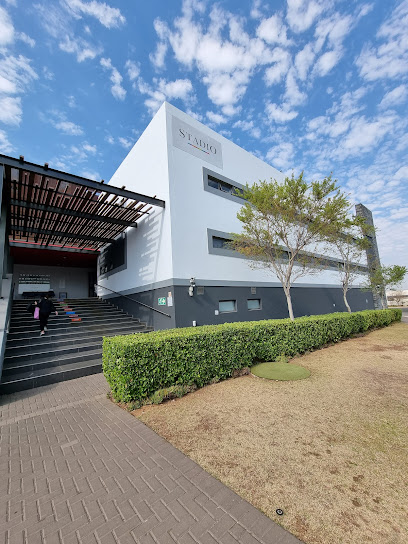
STADIO Higher Education – Midrand Waterfall Campus is a Educational institutions establishment in Midrand, Gauteng, South Africa
Midrand
Gauteng
1685
South Africa
Curriculum
STADIO Higher Education’s Waterfall Midrand Campus presents a broad, sector-aligned curriculum across the faculties of Commerce, Education and Law. The undergraduate qualifications stocked at the campus reflect a blend of professional preparation and academic rigour, designed to equip learners with practical competencies while reinforcing foundational knowledge. The campus’s approach emphasises real-world relevance, supported by modern facilities that foster collaboration, critical thinking and ethical practice in chosen fields.
Within the School of Commerce, the curriculum is structured to support entry into business, finance and management environments. The available qualifications include a Bachelor of Commerce and a Bachelor of Commerce in Accounting, each embedding core business principles alongside specialised modules. These programmes are designed to be accessible to students seeking to enter the professional arena with a solid grounding in commercial theory, data analysis, financial understanding and strategic decision-making. The campus environment, featuring state-of-the-art lecture theatres and integrated technology, provides a contemporary backdrop for learning, while the surrounding campus facilities encourage interaction and peer-to-peer exchange beyond the classroom.
The School of Education offers programmes aimed at developing classroom-ready educators who can contribute across early, middle and later primary phases. The Bachelor of Education in Foundation Phase Teaching and the Bachelor of Education in Intermediate Phase Teaching cater to differing trajectories in pre-school and primary education, establishing pedagogical foundations, curriculum design and classroom management. Additionally, the Higher Certificate in Pre-School Education provides a more targeted pathway for learners pursuing early childhood studies, emphasising practical early years training and foundational teaching skills. The curriculum across these qualifications integrates teaching theory with practical experiences that prepare graduates to support diverse learning needs and to contribute positively to learner development.
In the School of Law, the curriculum aligns legal studies with professional capability. The offerings include a Bachelor of Arts in Law, a Bachelor of Commerce in Law, and a Higher Certificate in Paralegal Studies. These programmes explore legal principles, analytical reasoning and the application of law within commercial and societal contexts. The combination of arts, commerce and paralegal pathways enables students to construct a well-rounded understanding of legal systems, professional ethics and regulatory environments, preparing them for further study or entry into legal-adjacent roles in various sectors.
Across all schools, the curriculum emphasises mixed delivery and applied learning where appropriate, supported by the campus’s engaged learning environment. Although online or blended options are not explicitly detailed in the available information, the presence of modern lecture theatres and a vibrant student community suggests a learning culture driven by interactive seminars, practical demonstrations and collaborative projects. The campus’s architectural design and extensive learning spaces are complemented by a range of student services designed to support success both inside and outside the classroom.
Beyond formal degree offerings, the Waterfall Midrand Campus is noted for features that enrich the student experience. An expansive auditorium provides a venue for debates, moot-style activities and public speaking practice, particularly for students in the Arts and Humanities spectrum and those pursuing law-related studies. The Vida e Caffè on site acts as a social hub where learners can foster informal discussions, networking and peer support. An annual arts festival and a dynamic student community contribute to a broader cultural immersion, creating opportunities for creative expression, collaboration and cross-disciplinary engagement. The reference to well-designed spaces and technology-enabled teaching illustrates a commitment to contemporary learning environments that aim to prepare graduates for the demands of modern professional life.
Prospective entrants can explore the available undergraduate qualifications on the campus’s dedicated programme pages, which provide links to each specific degree or certificate. Interested learners are encouraged to review the individual course pages for detailed information on progression routes, core modules and any campus-specific requirements. The campus framework supports a readiness for professional practice while offering a forum for academic development, critical thinking and personal growth through a holistic student experience.
- Bachelor of Commerce
- Bachelor of Commerce in Accounting
- Bachelor of Education in Foundation Phase Teaching
- Bachelor of Education in Intermediate Phase Teaching
- Higher Certificate in Pre-School Education
- Bachelor of Arts in Law
- Bachelor of Commerce in Law
- Higher Certificate in Paralegal Studies
For those seeking more information on applications or campus life, the Waterfall Midrand Campus provides resources and guidance through its academic support services and student-focused initiatives. The on-site facilities, coupled with a vibrant campus atmosphere, contribute to a well-rounded educational journey designed to prepare graduates for professional pathways in commerce, education and law.
Faculties and Branches
STADIO Higher Education’s Waterfall Midrand Campus operates as a dedicated learning hub within the Waterfall Country Estate in Midrand, Gauteng. The campus houses three main faculties, each offering an array of undergraduate qualifications designed to prepare students for professional roles across education, commerce and law. The facilities include modern lecture theatres with contemporary teaching technology, a large auditorium for presentations and events, and social spaces that support informal learning and peer engagement.
The campus is organised around the following schools:
- School of Education — offering programmes such as the Bachelor of Education in Foundation Phase Teaching, the Bachelor of Education in Intermediate Phase Teaching, and the Higher Certificate in Pre-School Education.
- School of Commerce — offering programmes such as the Bachelor of Commerce and the Bachelor of Commerce in Accounting.
- School of Law — offering programmes such as the Bachelor of Arts in Law, the Bachelor of Commerce in Law, and the Higher Certificate in Paralegal Studies.
This structure enables the campus to align its teaching and student services with discipline-specific needs, supporting a clear progression from foundational studies to professional qualifications. The Waterfall campus hence functions as a focussed hub for learners pursuing education, commerce and legal studies, with a combined emphasis on academic rigour and a vibrant student experience.
In addition to formal academic spaces, the campus provides social and cultural amenities that enrich the student journey, including an in-house coffee shop and venues for arts and community events. The presence of an expansive campus community and annual arts activities contributes to a holistic educational environment that complements classroom learning.
For prospective students seeking undergraduate qualifications at STADIO Waterfall, Midrand, the campus presents a clear, discipline-aligned offering. Programmes are accessible through the School pages linked on the official site, reflecting a cohesive structure that integrates curriculum, student support and campus life within the Midrand Waterfall context.
Registration Details
Prospective students considering STADIO Higher Education – Midrand Waterfall Campus in Midrand, Gauteng, can begin by exploring the available undergraduate qualifications listed under the campus’s Schools of Commerce, Education and Law. Each programme page provides detailed information on the degree offerings and may be used to initiate the registration journey.
Applicants are encouraged to review the following links which correspond to current undergraduate programmes on offer at the Waterfall campus:
- Bachelor of Commerce
- Bachelor of Commerce in Accounting
- Bachelor of Education in Foundation Phase Teaching
- Bachelor of Education in Intermediate Phase Teaching
- Higher Certificate in Pre-School Education
- Bachelor of Arts in Law
- Bachelor of Commerce in Law
- Higher Certificate in Paralegal Studies
The campus presents a range of facilities and experiences designed to support learning, including state-of-the-art lecture theatres and student spaces. Prospective students should use the programme pages to determine fit and to access any institution-specific admission requirements and registration steps that may apply to each qualification.
For application support and campus-specific guidance, interested parties can engage with the Waterfall Midrand campus through its recognised contact channels via the main STADIO site. Additional information and updates can be found by visiting the campus page at the following address: STADIO Waterfall Midrand Campus.
Further assistance and potential campus communications are typically provided through the campus’ dedicated Learning Campus contact options available on the main STADIO site. Visitors are advised to refer to the Waterfall Midrand section for any campus-specific announcements, dates, or guidance related to registration.
Sorry, no records were found. Please adjust your search criteria and try again.
Sorry, unable to load the Maps API.
Education in Midrand, Gauteng
Midrand, a central hub in Gauteng, offers a diverse landscape of educational opportunities that cater to learners at different stages of their academic journeys. The area supports a mix of senior and junior schools, as well as specialised institutions that focus on vocational training, further education, and higher learning. For families and students, this means access to a range of options within a reasonable travelling distance, as well as programmes designed to meet varied interests and career goals.
Within the school sector, primary and high schools provide standard curricula with opportunities for enrichment through sport, arts and culture, and science projects. Independent and biennial schools often emphasise a broad GCSE-equivalent or A-level-style framework, while public schools align with national educational standards. In addition to core subjects, many institutions offer language support, STEM activities, and performance ensembles, helping learners build a foundation for further study or skilled employment.
Further education and training are well represented through colleges and private training centres. These establishments commonly offer practical, skills-based programmes that align with local labour market needs. Typical offerings include business administration, information technology, design, hospitality, automotive trades, and health-related short courses. Programmes are frequently designed to be accessible to a broad age range, including recent school leavers and adult learners seeking new qualifications or career changes. Flexible modes of learning, such as part-time study and modular formats, may be available to accommodate work and family commitments.
Higher education options nearby encompass universities and campuses that blend academic study with applied research. These institutions often provide undergraduate and postgraduate pathways across disciplines such as engineering, sciences, commerce, humanities, and professional studies. Students may explore avenues for research projects, industry partnerships, and international exchange programmes, depending on the specific offerings of each institution.
Support services play a central role in enabling successful learning experiences. Guidance and counselling services assist with academic planning, transitions between levels, and personal development. Language support, literacy programmes, and study skills workshops help learners maximise their potential. Some establishments offer additional student services such as transport assistance, bursaries or scholarships, and information on work-integrated learning or internships. Literacy and numeracy support can be particularly valuable for learners returning to study or pursuing upskilling after a period away from formal education.
Facilities in Midrand commonly include well-equipped libraries and study areas, computer labs with access to modern software, science and technology laboratories, and specialised workshops for trades and design. Indoor and outdoor sports facilities support physical education and recreation, while arts spaces and cultural venues contribute to a well-rounded educational experience. Accommodation is available at some higher education campuses and private providers, enabling learners from further afield to engage with study opportunities more effectively.
Typical pathways for admission begin with the registration or application process, followed by the selection of appropriate programmes and levels. Some institutions may require placement assessments, evidence of prior learning, or completion of bridging courses to ensure readiness for study at the chosen level. Once enrolled, learners can expect access to structured curricula, ongoing assessment, and opportunities to engage with support services, academic advisors, and career guidance. Planning ahead for prerequisites and aligning chosen pathways with long-term goals can help learners navigate transitions smoothly and make the most of the educational offerings in Midrand.