Rason Technologies South Africa is a Educational consultants establishment in Alberton, Gauteng, South Africa
Alberton
Gauteng
1448
South Africa
Curriculum
Rason Technologies South Africa, operating in Alberton, Gauteng, positions its curriculum-related offerings around the integration of cutting-edge classroom technology with active learning strategies. Rather than supplying traditional course lists, the organisation provides solutions and resources designed to enhance how curricula are delivered, assessed, and connected to student engagement. The focus is on connecting students and teachers through interactive tools that support collaboration, scaffolded learning, and real-time feedback across a range of study areas.
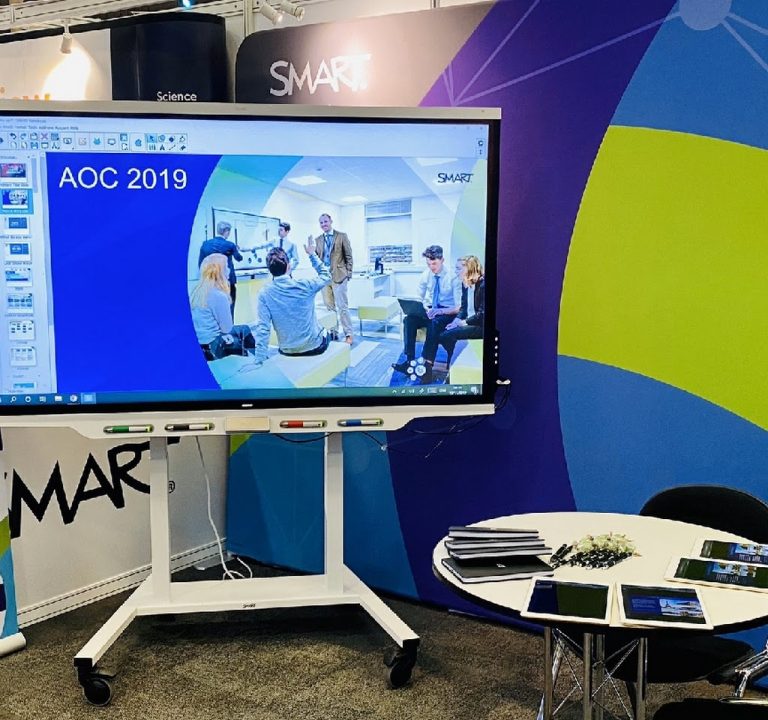
Central to the curriculum approach is the deployment of interactive displays and software that enable multiple students to interact simultaneously without interference, thereby promoting equitable participation. This capability supports collaborative learning activities aligned with diverse subject areas, from foundational literacy and numeracy to more advanced topics. The emphasis is on creating learning environments where pedagogical ideas can be explored collectively, enabling learners to articulate understanding, test hypotheses, and construct knowledge through shared experiences.
Complementing these hardware solutions is Lumio, a learning software highlighted as a key tool in the educational framework. Lumio provides ready-to-use formative assessments, graphic organisers, and other resources that facilitate practical, hands-on learning from any device. In this way, curriculum delivery can be augmented with timely, evidence-based insights into student progress, allowing educators to tailor instruction to individual needs and courser aims. The software is positioned as an element of a broader ecosystem designed to illuminate and support the learning journey rather than replace classroom dialogue and teacher guidance.
The curriculum strategy emphasises professional development and ongoing support as integral to successful implementation. Training and adoption assistance are highlighted as elements that help schools and other educational settings achieve meaningful outcomes from the technology. By combining durable hardware with user-friendly software and structured training, Rason Technologies South Africa aims to foster sustained utilisation of learning tools, ensuring that technology remains a catalyst for improved learning experiences rather than a standalone amenity.
Where appropriate, the offerings are framed to support blended and digitally enriched learning experiences. The ability to access learning resources and interactive activities from multiple devices supports flexible delivery models, including in-class, remote, and hybrid approaches. This alignment with contemporary curricular practices enables educators to design lessons that accommodate varied learner needs, pacing, and collaboration styles, while maintaining coherence with established educational standards and outcomes.
In terms of curricular resources beyond software, the emphasis lies on the real-world applicability of learning activities. The ability to connect students with interactive content and collaborative learning opportunities can help contextualise concepts, encourage problem-solving, and foster critical thinking. While specific course modules or subject-area syllabi are not itemised, the overall curriculum framework centres on leveraging technology to spark inquiry, support practice, and facilitate assessment through interactive, learner-centred approaches.
Student support services are framed as part of the broader adoption and implementation process. This includes guidance aimed at helping educators integrate technology into daily teaching practices, manage classroom dynamics effectively with interactive displays, and utilise digital tools to monitor progress. The aim is to ensure that digital resources enhance the curriculum while maintaining a strong emphasis on teacher leadership, instructional design, and classroom management.
For institutions interested in exploring these capabilities, Rason Technologies South Africa offers pathways to engage with SMART education solutions and Lumio software through its portfolio of products and services. Details regarding product features, training opportunities, and implementation support can be explored via the company’s website. By emphasising collaborative learning, formative assessment readiness, and scalable digital resources, the organisation seeks to align technology with curricular goals in a way that supports meaningful student progression.
Further information and updates on education-focused offerings can be found at the official website: Rason Technologies South Africa.
- Areas of study supported include classroom collaboration, interactive learning, and digital assessment practices.
- Curriculum approach emphasises practical, hands-on engagement and formative feedback.
- Short courses and professional training centre on effective adoption and utilisation of SMART education solutions.
- Online or blended options are enabled through software platforms designed for multi‑device access and remote learning readiness.
- Learning resources and distinctive tools focus on enhancing student engagement and collaborative inquiry.
Faculties and Branches
Rason Technologies South Africa operates as a provider of integrated technology solutions rather than a traditional academic institution. The organisation presents a structured portfolio of offerings that align with three broad functional streams: Education Solutions, Business Solutions, and Government Solutions. Each stream is designed to support specific user groups—educators, corporate teams, and public sector organisations respectively—while sharing a common emphasis on collaboration, engagement, and secure, scalable technology. The information below reflects the company’s externally accessible materials and public-facing descriptions of its product and service categories.
In the Education Solutions stream, the focus is on connected learning that enhances student engagement and classroom collaboration. The technology set includes interactive displays and educational software intended to enable multiple students to interact concurrently without interfering with one another’s work. This aligns with aims to facilitate hands-on learning and formative assessment, thereby supporting teachers in delivering engaging lessons and enabling students to participate actively from any appropriate device. The overarching philosophy emphasises sustained interactive learning environments and the ability to foster collaborative discourse within the classroom or learning space. For further context on the educational technology portfolio, see the company’s publicly available materials such as product descriptions and related education pages on the corporate site.
Within the Business Solutions stream, the emphasis shifts to “connected meetings” and workplace collaboration. The offerings are presented as tools to energise team discussions, spanning both in-person conference rooms and remote participation. Interactive displays and accompanying software are positioned to empower high-performance teams, streamline problem-solving processes, and support dynamic decision-making in professional settings. The narrative around this stream highlights modern meeting experiences and the capacity to scale collaborative activities across varied business environments, including those that blend on-site and remote work. More information about the business technology ecosystem can be accessed through the company’s Destination or product pages dedicated to SMART-enabled solutions for enterprises.
The Government Solutions stream is described as providing “connected teams” with a heightened focus on security and fast, organised response capabilities. The public-facing content notes compliance considerations such as security standards relevant to government use, with claims of protecting confidential information while enabling effective collaboration across dispersed teams. This stream is framed around the unique demands of public sector operations, including the need for dependable access to collaboration tools in time-critical contexts. References to government-grade security and compliance are anchored in the company’s discussions of its SMART technology offerings and related governance-friendly features.
The organisation also highlights Lumio as a learning software component designed to support student-centred activities. This software is described as being accessible across devices and equipped with tools such as ready-to-use formative assessments and graphic organisers, aimed at enhancing instructional practice and learner engagement. The Lumio materials are positioned as complementary to hardware solutions, reinforcing a blended approach to modern learning environments.
Regarding structure and locations, the available public content outlines a global portfolio of education, business, and government solutions, along with partner networks and opportunities to book demonstrations or explore product editions. While specific campuses, branches, or regional centres are not itemised within the accessible materials, the company maintains an emphasis on partnerships, training, and ongoing support as part of the customer journey. For more information about offerings and partner opportunities, interested readers can consult the company’s main site and related pages on SMART technology partnerships and education solutions.
Website reference: Rason Technologies South Africa
Registration Details
Rason Technologies South Africa, located in Alberton, Gauteng, presents a pathway for educational institutions and partners to engage with SMART interactive solutions. The company emphasises collaboration, engagement, and the practical integration of classroom technology to enhance learning experiences. While the site does not publish a formal, step‑by‑step registration guide, prospective organisations can begin the process by requesting information and arranging demonstrations through the online channels provided.
Registration or engagement with Rason Technologies South Africa typically follows an initial information‑gathering and demonstration phase. This aligns with the broader SMART education offering, which centres on interactive displays, learning software, and support designed to maximise adoption and outcomes in educational settings. Interested parties are encouraged to explore the available products and solutions, then initiate contact to discuss next steps tailored to the institution’s needs.
Where to apply or initiate contact
- Visit the main website to explore SMART for Education and related educational technology solutions, including interactive displays and Lumio learning software.
- Book a demo to arrange a demonstration of SMART education technology, which can serve as a practical step in evaluating suitability and deployment requirements.
- Chat via WhatsApp for quick information and guidance on next steps, including how to proceed with demonstrations or further inquiries.
Eligibility and entry considerations
The site highlights opportunities for educational, business, and government sectors to engage with SMART technology. Although specific eligibility criteria are not published, the focus remains on educational institutions and organisations seeking enhanced collaboration and learning outcomes through interactive displays, software, and related services. Prospective applicants should consider how SMART education solutions align with their teaching objectives and technology strategy, and contact the provider for tailored guidance.
Documents typically required
The available content does not list exact documents or forms. In practice, organisations engaging with SMART education solutions often prepare information about their educational context, technology environment, and goals for adoption. To obtain precise guidance on documentation, stakeholders are advised to use the provided contact options to request a customised registration or procurement outline.
Support channels and ongoing assistance
Support and information are accessible through convenient online channels. The website promotes direct engagement via WhatsApp for real‑time conversations and details, as well as opportunities to explore products and request demonstrations. Ongoing support is framed as part of a broader partnership approach, emphasising training, adoption assistance, and sustained value from the technology solutions.
Additional notes
As this provider operates within the SMART ecosystem, institutions may also encounter links to broader SMART resources and product pages. These external references can offer context on capabilities, security, and lifecycle considerations—all relevant to a considered registration or engagement decision.
Sorry, no records were found. Please adjust your search criteria and try again.
Sorry, unable to load the Maps API.
Education and Resources in Alberton, Gauteng
Situated in Gauteng, Alberton serves as a regional hub for families seeking a range of educational opportunities. The area typically features a spectrum of schooling options, from primary and secondary schools to specialised training programmes. Learners may encounter a mix of public and independent institutions, each offering a local presence that supports routines and continuity for families moving through key stages of education.
Within Alberton and its surrounds, learners commonly encounter schools that cater to core academic milestones alongside extra-curricular enrichment. Primary education focuses on foundational literacy, numeracy, and social development, while secondary provision broadens to subjects across the sciences, humanities, arts, and practical disciplines. Where applicable, schools may provide pathways to vocational and technical strands that align with local post-school opportunities. Songlines of attainment often lead towards further education or work-based routes, with guidance on subject choices, progression, and career options available through school-based services or local partnerships.
Adjacent to school provisions, further education and training centres are typically present to support learners seeking hands-on qualifications, practical skills, or bridging programmes. These centres frequently offer short courses, certificates, diplomas, and articulation routes to higher education institutions. While specific offerings vary, many learning centres emphasise flexible delivery, underpinning learners who balance study with work or family commitments.
Higher education in the wider Gauteng region provides access to universities and university-level colleges within commutable distance. Institutions in and around Alberton may form part of a broader network offering undergraduate and postgraduate study, research opportunities, and professional development. Prospective students commonly explore programme areas ranging from business and humanities to engineering, science, and health sciences, with routes for mature learners and international applicants accommodated at select campuses.
Learning support and student services are typically available to assist learners throughout their academic journeys. These services may include tutoring, study skills development, language support for non-native speakers, accessibility provisions for learners with disabilities, and guidance on admissions, registrations, and financial planning. Local libraries and information hubs often complement classroom learning by supplying study spaces, reference materials, and access to digital resources.
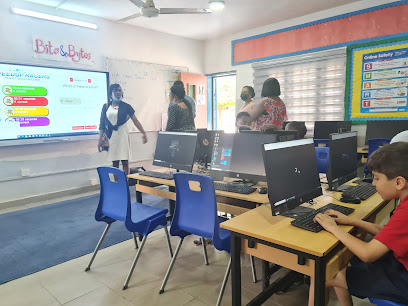
Facilities and resources commonly found in the area support a well-rounded educational experience. Library facilities, science and computer laboratories, workshop spaces, and dedicated performance or sports halls may be available across schools and colleges. Sports fields, swimming pools, and fitness amenities are frequently integrated into school campuses or public parks, promoting physical education and team participation. Some institutions provide accommodation or partner with nearby housing options to support students relocating for study, subject to availability and policy requirements.
Typical pathways for learners in Alberton involve an orderly progression from enrolment or registration at the appropriate level, through to completion of required coursework and assessments. Guidance may cover subject choice alignment with career aims, entry requirements for further study, and the application processes for local colleges or higher education institutes. Prospective students are advised to consult school counsellors, college admissions offices, or regional education resources to understand deadlines, programme availability, and expected outcomes.
For broader information on education in Gauteng, residents and visitors can explore provincial and national resources online. Useful starting points include public education portals and university websites that outline programmes, admissions, and campus life. These online resources can help map a learner’s journey from primary schooling through to higher education and vocational training.
- Schools offering primary and secondary education with common subject streams.
- Further education and training centres providing certificates, diplomas, and practical qualifications.
- Universities and university-level colleges within reachable distance for degree study.
- Learning support services, libraries, and academic advising.
- Facilities such as laboratories, ICT suites, sports facilities, and student accommodation options.
Overall, Alberton presents a versatile educational landscape where families can access a blend of traditional schooling, practical training, and higher education pathways. The local ecosystem emphasises supportive services, flexible learning options, and facilities designed to accommodate diverse learner needs and aspirations.
Explore further information from Gauteng’s education portals and linked university sites to plan a learning journey that aligns with individual interests and aims: Gauteng Department of Education, University of Johannesburg, University of South Africa (UNISA).