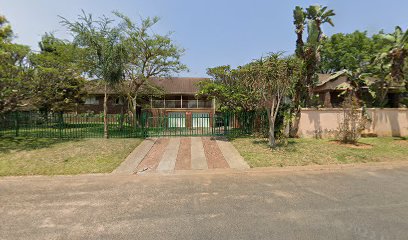
Ruby Rabbits is a Education centers establishment in Mbombela, Mpumalanga, South Africa
Mbombela
Mpumalanga
1201
South Africa
Curriculum
Ruby Rabbits Educational Playschool in Mbombela (Nelspruit), Mpumalanga, operates a CAPS-integrated curriculum designed for children aged from around 13 months up to four years, extending to the earlier stages of Grade RR and RR. The programme emphasises a strong foundation in the vital early years, with small class sizes capped at a maximum of 16 tots to ensure personalised attention and a nurturing learning environment. The curriculum is implemented in four age-appropriate playgroups—Bunny, Owl, and Squirrel—each guided by qualified teachers who speak English and Afrikaans, and who structure activities to suit developmental stages while maintaining a cohesive overarching approach across levels.
The learning framework blends play-based pedagogy with a sensory integrative approach. Weekly themes are introduced through interactive, multi-sensory experiences that engage all the child’s senses. This method supports the development of listening, language, literacy, numeracy, and social-emotional skills by encouraging exploration, curiosity, and hands-on participation. The emphasis is on learning through doing: children are invited to explore textures, sounds, colours, and movements, as well as to engage in practical activities that foster independence and self-confidence. The “playing is learning” philosophy is reinforced by a carefully structured morning routine that balances teacher-initiated play with child-initiated play in a relaxed yet stimulating atmosphere.
Curriculum content is CAPS-aligned and integrated, providing a consistent framework across the early childhood years. Weekly themes are presented in a dynamic, engaging manner, with activities designed to be developmentally appropriate for each age group. In addition to regular classroom activities, the programme features creative activities and incursions, along with periodic excursions to support experiential learning. Examples of off-site experiences include visits such as farms and other thematic explorations, which are designed to bring concepts to life and connect classroom learning with real-world contexts.
Areas of study cover the core developmental domains essential for early childhood education:
- Physical Development: promoting gross and fine motor skills through movement, play apparatus, and outdoor exploration.
- Social and Emotional Development: fostering communication, sharing, cooperation, and self-regulation in a caring group environment.
- Intellectual Development: introducing basic concepts in language, literacy, and numeracy within meaningful play-based activities.
- Language and Literacy: encouraging conversation, stories, and early writing/listening activities in both English and Afrikaans.
Curriculum delivery is designed to be inclusive and supportive. The centre follows the Public School Calendar, providing consistency with the broader schooling system while adapting activities to suit the needs and rhythms of early childhood learning. The small-group format ensures ample quality time with each child, supporting individual attention, consistent feedback, and the development of independence. A sensory-rich programme underpins the learning process, with activities such as messy play and movement forming a cornerstone of daily practice, recognised as foundational to later reading, writing, and mathematics.
Extracurricular and enrichment elements are interwoven into the regular timetable. Regular incursions and excursions based on the weekly themes extend learning beyond the classroom, helping learners connect concepts to experiences and real-life contexts. Thematic weeks may include puppet shows, dress-up days, show-and-tell, and other stimulating activities designed to delight and educate simultaneously. In addition, the playschool offers a supportive environment that emphasises safety and well-being, with CCTV coverage in all indoor and outdoor areas, connections to security services, and staff trained in First Aid Level 1.
Distinctive resources and daily practice at Ruby Rabbits include a well-equipped indoor and outdoor learning environment, a wide range of age-appropriate educational equipment, and a structured yet flexible programme designed to accommodate individual pace and interests. The blend of CAPS-based content with a sensory integrative approach, paired with a strong emphasis on play as the primary vehicle for learning, positions the curriculum as developmentally appropriate, engaging, and academically meaningful for the early years in Mbombela.
Further information about the curriculum, parental partnerships, and learning outcomes can be explored through the centre’s programme pages and testimonials, which highlight the small-class benefits, personalised attention, and the overall nurturing approach that characterises Ruby Rabbits.
Faculties and Branches
Ruby Rabbits Educational Playschool operates as a private, owner‑run early childhood provision serving ages from 13 months to four years, up to Grade RRR. The setting emphasises a small‑group approach, with a maximum of 16 tots per class to ensure individual attention and a nurturing learning environment. The playschool is based in Nelspruit (Mbombela), Mpumalanga, in close proximity to Medi Clinic and The Rest Nature Estate, and maintains a single primary operational base within the West Acres neighbourhood.
Curriculum delivery is organised through clearly defined playgroups that align with the developmental stages of the children. The Bunny Playgroup (13 months to 2 years), the Owl Playgroup (2 to 3 years), and the Squirrel Playgroup (3 to 4 years, Grade RRR) form the core structure. Each playgroup is dual‑medium, catering for both English and Afrikaans‑speaking tots, reflecting the programme’s commitment to accessible language exposure across early years learning.
Institutional programming integrates a CAPS‑based curriculum with weekly themes, ensuring a coherent progression across the early years while allowing for flexibility through morning routines. The programme supports both teacher‑initiated and child‑initiated activities within a sensory‑rich framework. Regular incursions and excursions are integrated to bring themes to life, supported by a broad range of indoor and outdoor educational equipment designed to foster physical development, social interaction and early literacy and numeracy concepts.
Structurally, the playschool places strong emphasis on staffing and governance. The leadership team includes a director‑principal who oversees administration and educational quality, and a director and co‑owner who contribute strategic input and management oversight. The teaching team comprises qualified early childhood educators for each age group, alongside dedicated support caregivers and assistants who reinforce daily routines and individual attention. This staffing model supports the school’s ethos of “high caregiver – low child” ratios, reinforcing the focus on safety, security and personalised care.
Educational features extend beyond the classroom to student services and learning supports. The facility operates with qualified First Aid Level 1 trained teachers and maintains a security framework that includes CCTV coverage in all indoor and outdoor areas. The school adheres to the Public School Calendar in planning its year, while also tailoring certain aspects of the schedule to the needs and personalisation required by its playschool setting. Parents are encouraged to participate in partnerships aimed at supporting each child’s development, reinforcing the school’s philosophy that learning occurs most effectively through play and doing.
For prospective families seeking information or visiting arrangements, the school provides a structured pathway via introductory visits and placement requests. While the current model centres on the single Mbombela campus, the articulation of the faculties and playgroups demonstrates a cohesive educational ecosystem designed to guide young learners from initial play experiences through to early academic foundations. More detailed information about the team, the specific classrooms, and parent resources is accessible through the site’s team pages and related sections.
- Facilities include four classrooms dedicated to the Bunny, Owl, and Squirrel playgroups, with play areas and a secure outdoor environment.
- Key staff include a Director‑Principal and a Director & Co‑Owner, supported by qualified teachers for each age group and several assistants.
- Programmes are designed to align with CAPS, weekly themes, and sensory‑driven activities, with regular incursions and field experiences.
For further details, visitors can explore the site sections on facilities, team, and contact information at rubyrabbits.co.za.
Registration Details
Ruby Rabbits Educational Playschool in Mbombela (Nelspruit), Mpumalanga, welcomes prospective families to explore the start of a child’s educational journey within a small, nurturing setting. The playschool emphasises individual attention, safeguarding, and a warm learning environment grounded in a play- and doing-based approach. The setting is designed for children from 13 months up to 4 years, extending through to the Grade RR level, with a maximum of 16 tots per class to maintain close teacher–child interaction.
Registration and admission are managed through a clearly defined process aimed at aligning each child’s needs with Ruby Rabbits’ developmentally appropriate programme. The school operates in line with the Public School Calendar, subject to the playschool’s own scheduling requirements, and seeks to establish a smooth transition from home to a formal early learning setting. The emphasis throughout is on ensuring well-being, safety, and the establishment of confident, happy learners who engage with a CAPS-integrated curriculum and weekly thematic activities.
Application/registration is initiated via the official placement request mechanism. Interested families are invited to submit a placement request through the school’s online form, which facilitates an introduction and initial planning discussion prior to a formal enrolment agreement. The portal is accessible from the Ruby Rabbits website: Request For Placement. This step is designed to organise an introduction visit and to outline fees and policies during the visit, ensuring transparent communication from the outset.
Where to apply: prospective parents should use the online placement request to begin the process. The facility also offers an introduction visit as part of the registration pathway, enabling families to view the classrooms, play areas, and routines in operation. The campus is described as safe and supportive, with CCTV coverage and access to security and medical response services, which may be discussed in more detail during the introduction visit.
Eligibility and entry requirements are defined by age and the playschool’s small-group policy. Ruby Rabbits caters to children aged between 13 months and 4 years (up to Grade RR). The cohorts are organised into age-appropriate playgroups: Bunny Playgroup (13 months–2 years), Owl Playgroup (2–3 years), and Squirrel Playgroup (3–4 years). The minimum and maximum class sizes are designed to provide ample time for individualised attention, language development, socialisation, and early literacy and numeracy experiences within a dual-medium (English and Afrikaans) setting.
Documents or forms typically required for enrolment are not explicitly itemised on the public-facing content. At the introduction visit, fees and policies are to be discussed, allowing families to be informed about the practical steps involved. The school encourages early contact to arrange a suitable introduction appointment and to explore the available morning options (3- or 5-morning programmes per week). Arrival and collection times are outlined to support families in planning their daily routines around the playschool timetable.
Support channels for prospective parents include arranging an introduction visit via the online placement request and contacting the school through the main contact channel provided on the site. The campus maintains a presence with a local address in West Acres, Nelspruit, and a visible commitment to safeguarding, as reflected in its well-being and security measures. For ongoing information and feedback from current families, an accessible link to testimonials is available: View Testimonials.
In summary, registration at Ruby Rabbits follows a structured, child-centred process beginning with an online placement request, followed by an introduction visit to discuss enrolment and policies. The playschool emphasises small-group learning, bilingual early education, and continuous communication with families throughout the year. Those seeking further details about placement and initial steps can refer to the school’s official materials and the consulting opportunities described on the site.
Sorry, no records were found. Please adjust your search criteria and try again.
Sorry, unable to load the Maps API.
Education and Resources in Mbombela, Mpumalanga
Mbombela, situated in Mpumalanga's Lowveld region, presents a diverse landscape of educational opportunities for learners of all ages. The area hosts a range of institutions that cater to secondary schooling, vocational training, further education, and higher learning, alongside organisations dedicated to lifelong learning and skills development. The environment emphasises accessibility, with provision for learners to progress through multiple stages within a relatively compact urban area.
Within the public and private school systems, students typically encounter a broad curriculum designed to prepare them for further study or entry into the workforce. Schools commonly offer a mix of compulsory subjects and elective options across languages, mathematics, science, humanities, and arts. Preparation for national examinations sits at the centre of school programmes, with support aimed at developing literacy, numeracy, and critical thinking skills. For families seeking alternatives, independent schools or specialised programmes may provide additional focus areas, including language immersion, science and technology tracks, or arts-focused pathways.
Further education and training are well represented in Mbombela through colleges and training centres. These institutions often provide diploma and certificate programmes that align with local industry needs, offering practical instruction in fields such as information technology, engineering studies, hospitality, health care support, and business administration. Many programmes are designed to be modular or short-term, allowing learners to balance study with work commitments or family responsibilities. Apprenticeship and learnership opportunities may be available in partnership with industry partners, enabling hands-on experience alongside theoretical study.
Higher education exists in the form of regional campuses and university satellite facilities that host undergraduate and postgraduate programmes. Courses typically cover disciplines across the arts, sciences, education, commerce, and health sciences, with one or more qualifications accessible through full-degree or distance-learning routes. Prospective applicants are generally guided through a structured admissions process that includes verification of prior qualifications, programme choices, and the submission of supporting documents. Local campuses may provide information on scholarships, bursaries, and financial aid options aimed at widening access to higher education.
Learning support and student services are features commonly found across institutions in Mbombela. Dedicated study support centres, tutoring arrangements, and accessible libraries help learners develop study skills and navigate academic demands. Accessibility services, counselling, and career guidance are often available to assist with personal and academic challenges, while language and writing support can help learners maximise success in assessments.
Facilities and resources across the area typically include well-equipped libraries, computer laboratories, science and practical laboratories, and dedicated spaces for arts and physical education. Sports facilities, student accommodation, cafeterias, and safe campus environments contribute to a holistic learning experience. For families seeking a safe, stable place to study, information on accommodation options and transport links is commonly provided by institutions and local education authorities.
Typical pathways involve initial enrolment through registration or application processes, followed by placement assessments where applicable. Learners frequently progress from school-based studies to college or university programmes, with opportunities to transfer between institutions or to explore vocational routes that lead to industry qualifications. Information about admissions timelines, required documents, and important deadlines is regularly published by individual institutions and regional education offices, helping learners plan ahead.
For those exploring options in Mbombela, it is advisable to consult official education portals for detailed and up-to-date guidance. Useful information can also be found on national and provincial education websites, which outline pathways, resources, and support networks available to learners and families. More about education and resources in South Africa can be found at https://www.education.gov.za.