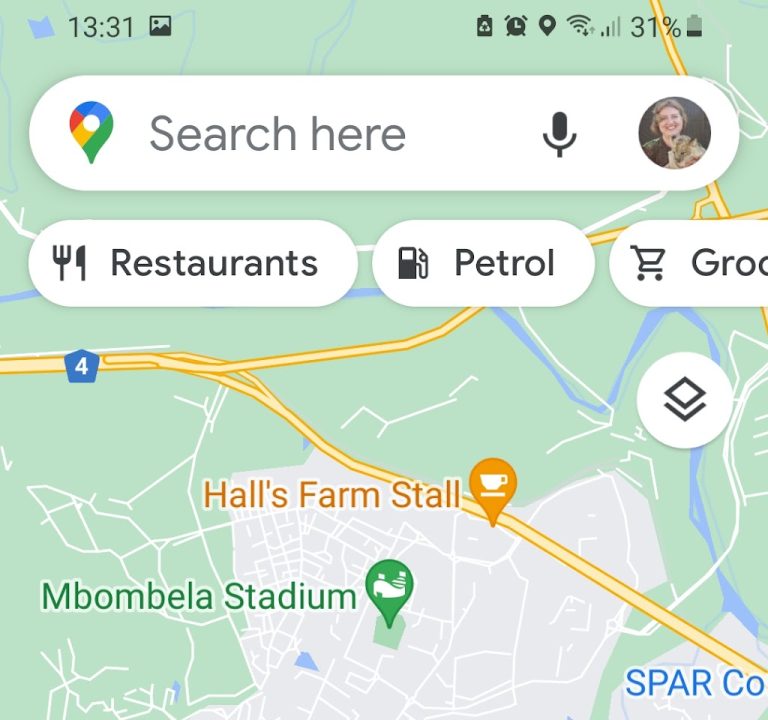

SCHAGEN COMMUNITY LEARNING CENTRE is a Education centers establishment in Mbombela, Mpumalanga, South Africa
Mbombela
Mpumalanga
South Africa
South Africa
Sorry, no records were found. Please adjust your search criteria and try again.
Sorry, unable to load the Maps API.
Education and Resources in Mbombela, Mpumalanga
Mbombela is a centre of learning within Mpumalanga, offering a diverse range of educational opportunities across secondary, post-secondary, and lifelong learning. The area supports families and learners with options that span traditional schools, technical and vocational paths, higher education institutions, and specialised training centres. Together, these provisions contribute to accessible education within close reach of communities throughout the region.
Within secondary education, learners typically encounter a mix of general and specialised curricula designed to prepare them for further study or work-based routes. Public and independent schools commonly present a broad spectrum of subjects, including sciences, humanities, mathematics, languages, and arts, alongside options that support developing study skills and critical thinking. Guidance on subject choices and progression pathways helps families plan for qualifications such as senior certificates or national diplomas, depending on local offerings and the learner’s interests.
Post-secondary options in and around Mbombela emphasise practical skills alongside academic study. Technical and vocational education is available through colleges and recognised training centres, often focusing on fields such as information technology, engineering trades, hospitality, business studies, and health-related programmes. These institutions typically offer flexible entry points, including full-time, part-time, and short courses, allowing learners to balance study with work or family commitments. Higher education institutions in the region may provide degree, diploma, or distant-learning programmes in disciplines aligned with regional industry needs, research interests, and professional standards.
Support services are a central feature of educational provision in Mbombela. Learning support might include academic tutoring, language assistance, study skills workshops, and personalised guidance on study planning and time management. Psychological and welfare services, career guidance, and access to bursaries or financial advice are commonly available at many institutions to assist learners facing economic or personal challenges. Disability services and inclusive education are increasingly emphasised, with provisions designed to enable participation for students with a range of needs.
Facilities and resources across the Mbombela education landscape typically encompass well-equipped libraries, computer laboratories, science and technical laboratories, and dedicated study spaces. Sports facilities, fitness centres, and cultural activities complement academic life, supporting wellbeing and a well-rounded student experience. Student housing or partner accommodation arrangements may be available for those relocating to study, along with on-site dining and social spaces that foster community and peer support.
The progression pathway for learners often begins with familiarising themselves with school careers guidance and early exposure to post-school options. Registration steps may include submitting required documentation, meeting admission criteria where applicable, and meeting any programme-specific prerequisites. Many institutions offer introductory information sessions, campus tours, and online portals to streamline the application and enrolment process. Financial planning, including budgeting for tuition, accommodation, and living costs, is supported through available information and advisory services. Returning and seasoned learners can access continuing education and professional development opportunities designed to enhance career mobility and upskilling.
For families and learners considering Mbombela as a study hub, the ecosystem combines broad access to traditional schooling, practical training pathways, and higher-level academic possibilities. By engaging with guidance services, exploring a range of programmes, and tapping into available learning supports and facilities, learners can discover pathways that align with interests, strengths, and future plans. The region’s education landscape is shaped by collaboration among schools, colleges, universities, and training organisations, aiming to provide inclusive, affordable, and quality education for cohorts at every stage of learning.